
Jazz isn’t just music—it’s an experience, a language, and a story told through rhythm and soul. The legends who shaped jazz did more than play notes; they started conversations that still echo across time. I’ve spent years collecting records and spending hours in smoky clubs, just soaking up eye-catching performances. That’s why I’m sharing my favorite profiles of iconic jazz musicians—a group whose creativity and heart brought jazz to the world stage.
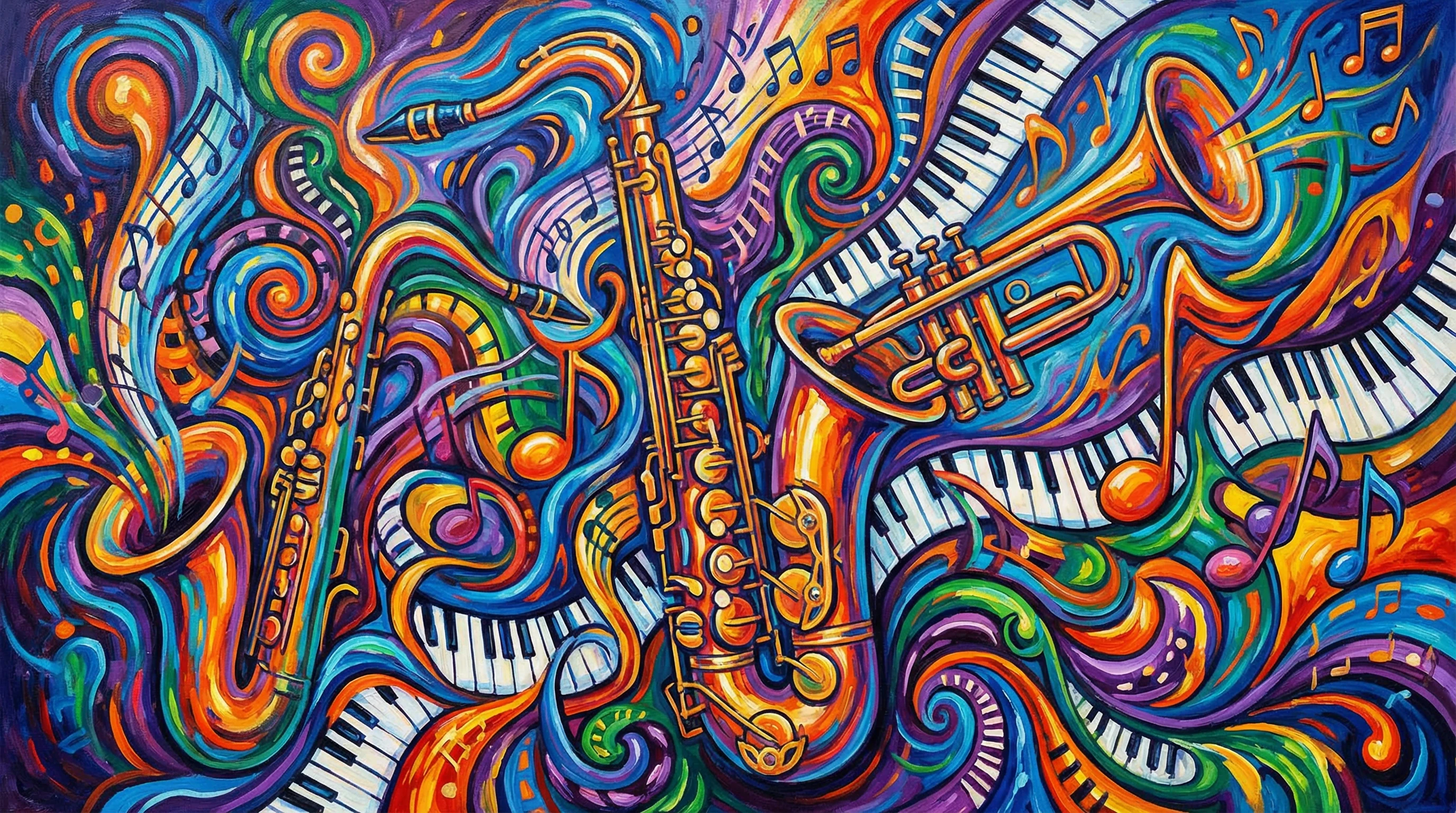
The Jazz Era: Setting the Stage
Jazz first popped up in early 20th century New Orleans, blending African rhythms with blues, ragtime, and marching bands. The genre grew fast, traveling from gritty bars to concert halls. Radio, records, and jazzloving audiences fueled its popularity. What made jazz such a big deal was its energy, sense of improvisation, and unique blend of cultures. Each musician who stepped into the spotlight added something different to the sound.
By the time jazz hit the world stage, it was alive with fresh ideas, and names like Count Basie, Charlie Parker, and Louis Armstrong were making people take notice. Musicians competed, teamed up, and inspired one another, pushing the music further every night. These artists created not just tunes, but entire worlds, changing music in ways that can still be heard today—in everything from hip hop to film soundtracks.
Profiles of Legendary Jazz Musicians
I’ve always found that truly experiencing jazz means knowing the musicians who shaped it. Here’s a closer look at some of the icons I return to again and again.
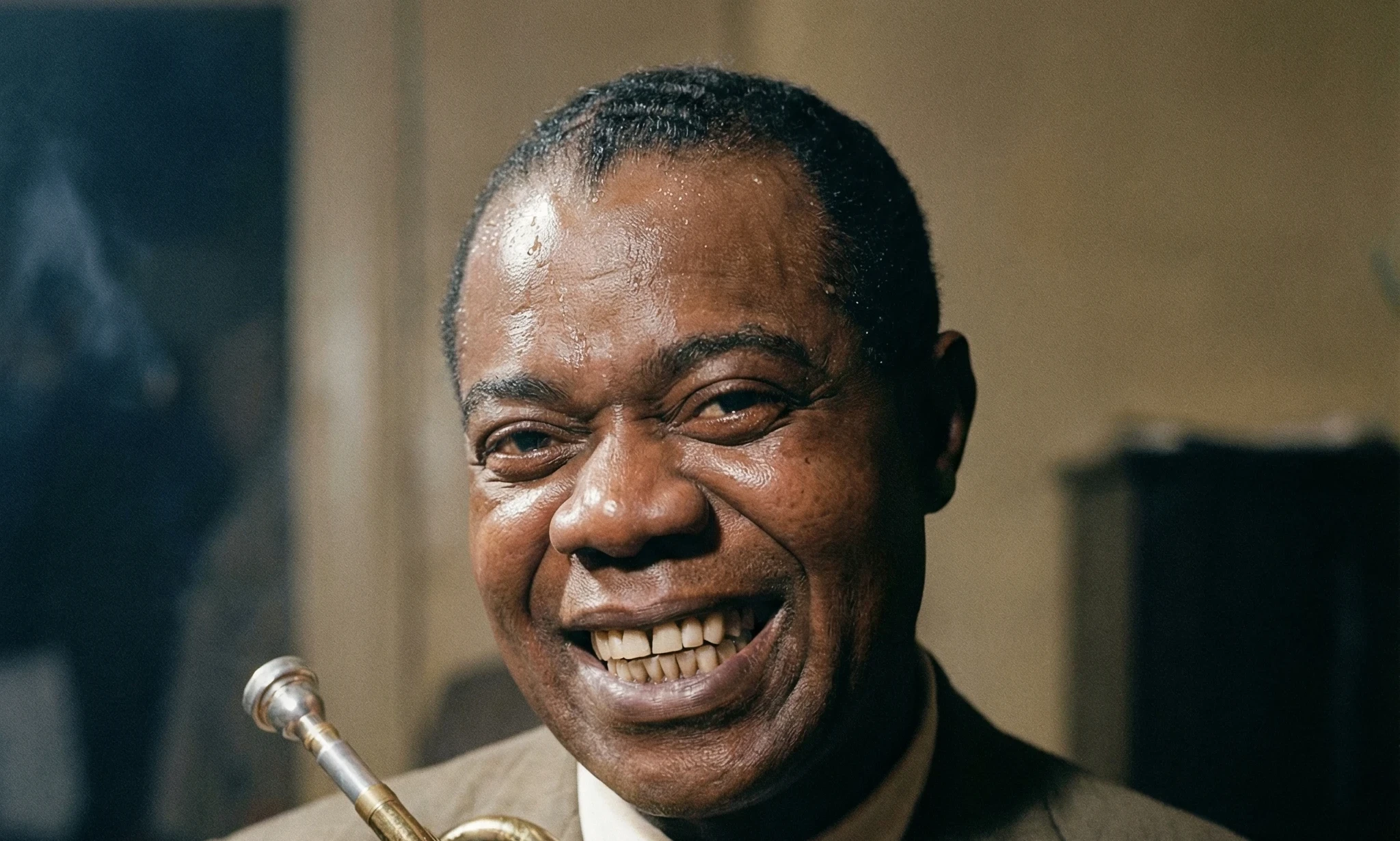
- Louis Armstrong: Armstrong’s voice and trumpet are both unmistakable. He started his career in the 1920s, practically inventing scat singing and setting the standard for jazz improvisation. What really stands out to me is the sense of joy he brought to every track. “What a Wonderful World” and “Hello, Dolly!” showcase his spirit, but check out his earlier performances for fearless solos that broke new ground.

- Count Basie: Basie’s swing orchestra made jazz danceable on a huge scale. His playful piano riffs and laidback leadership style let soloists shine. Tunes like “April in Paris” and “One O’Clock Jump” always get my toes tapping; and there’s a reason he’s a staple on any solid jazz playlist.
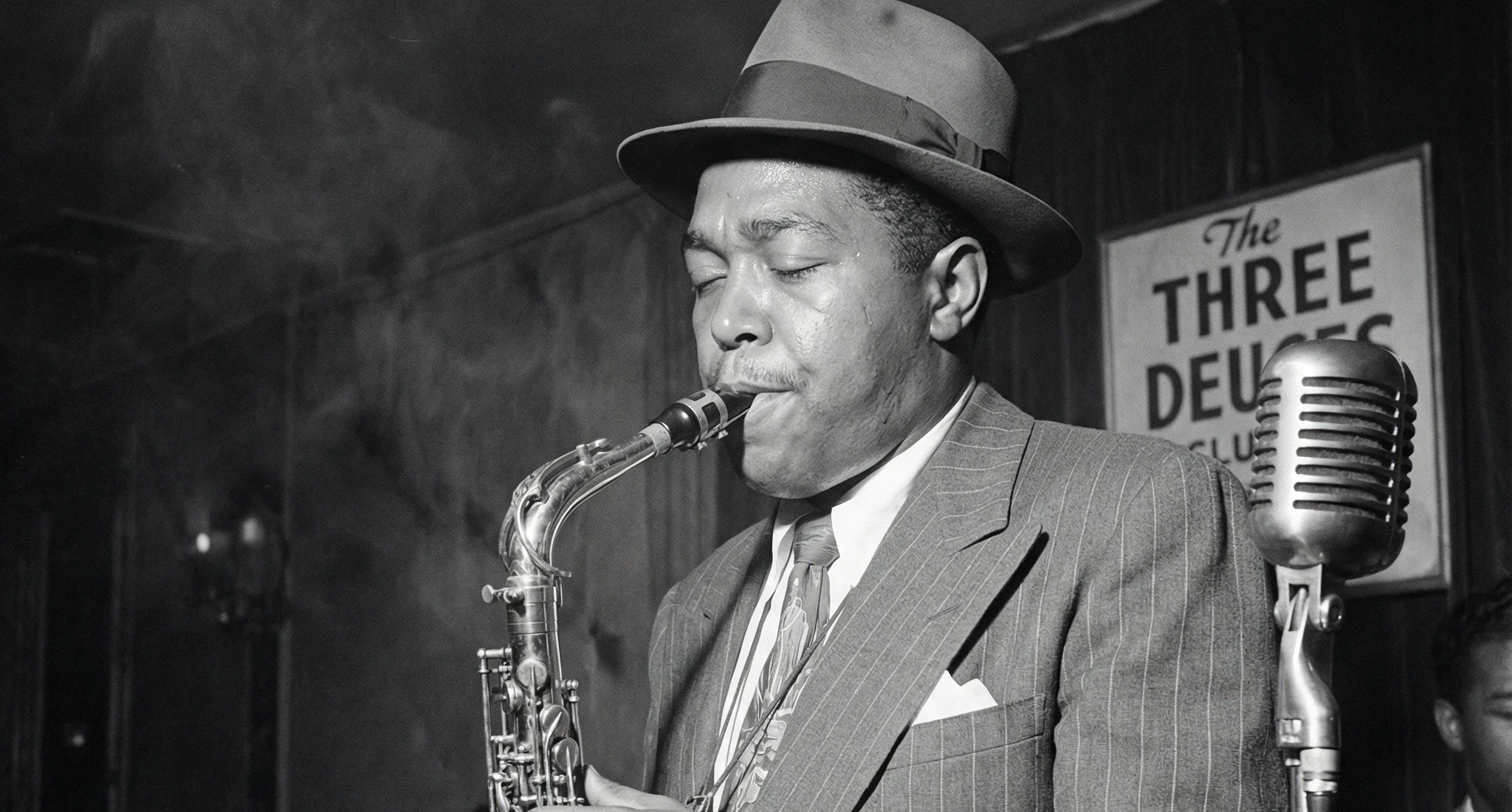
- Charlie “Birdman” Parker: Parker’s nickname, “Bird,” fits, as his saxophone style just soars. He pushed jazz into new, faster territory with bebop, and songs like “Ornithology” and “Now’s the Time” changed the way musicians approached improvisation. His dizzying solos and harmonic complexity inspired generations of players.
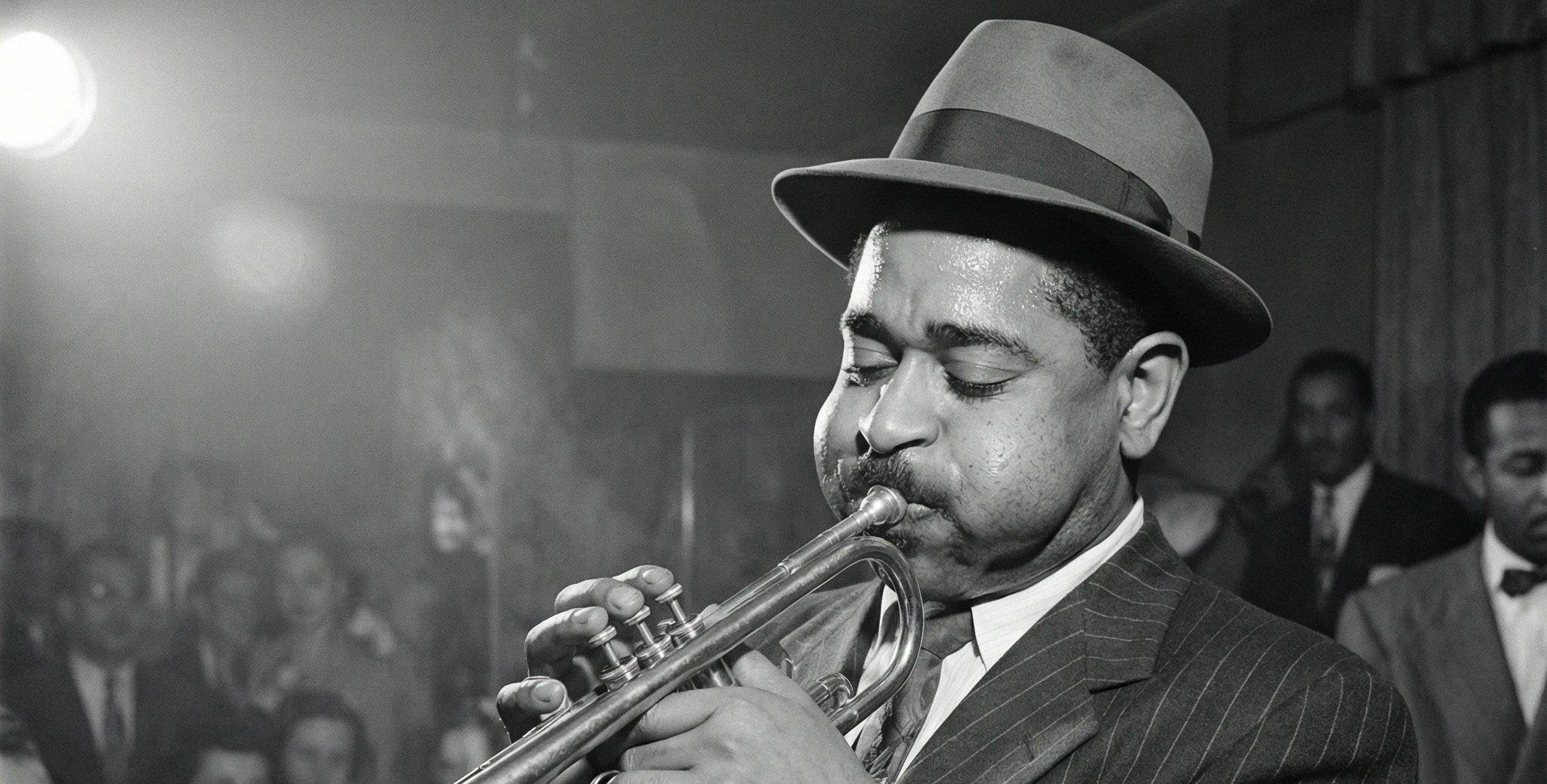
- Dizzy Gillespie: Gillespie brought playfulness and technical wizardry to jazz, making his trademark puffed cheeks famous around the globe. He mixed AfroCuban rhythms into jazz, producing hits like “A Night in Tunisia” and “Manteca.” Gillespie’s energy on stage matched his creativity, always keeping listeners guessing.
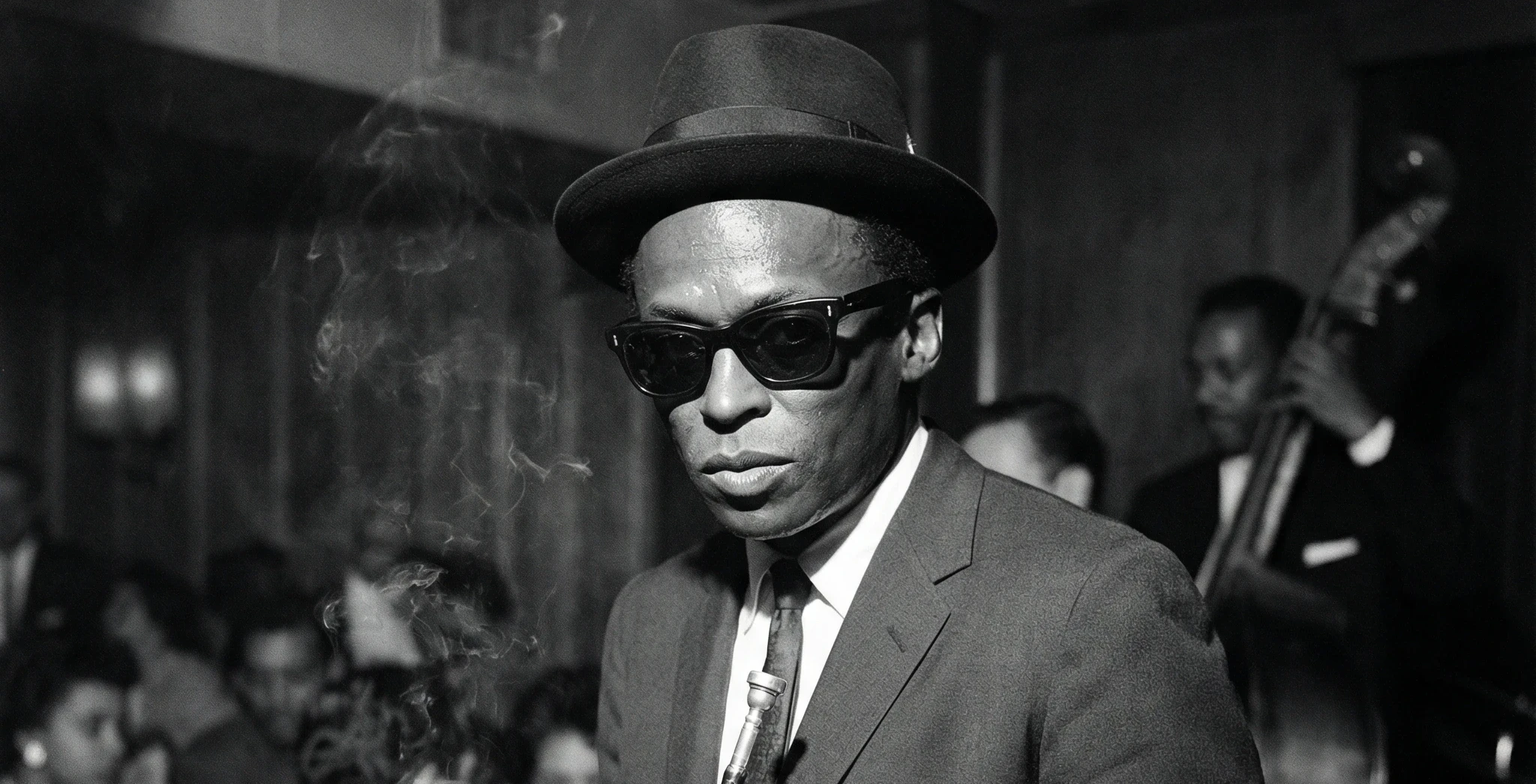
- Miles Davis: Davis never sat still musically. He moved from cool jazz on albums like “Kind of Blue” to electric fusion in “Bitches Brew.” Listening to his trumpet feels like jumping into an adventure from smoky afterhours clubs to packed stadiums, with a sense of cool and mystery.

- John Coltrane: Coltrane’s saxophone playing goes deep, often feeling spiritual. Albums like “A Love Supreme” and “Giant Steps” offer intensity and drive that’s hard to put into words. He experimented constantly, searching for new ways to express soulful ideas.
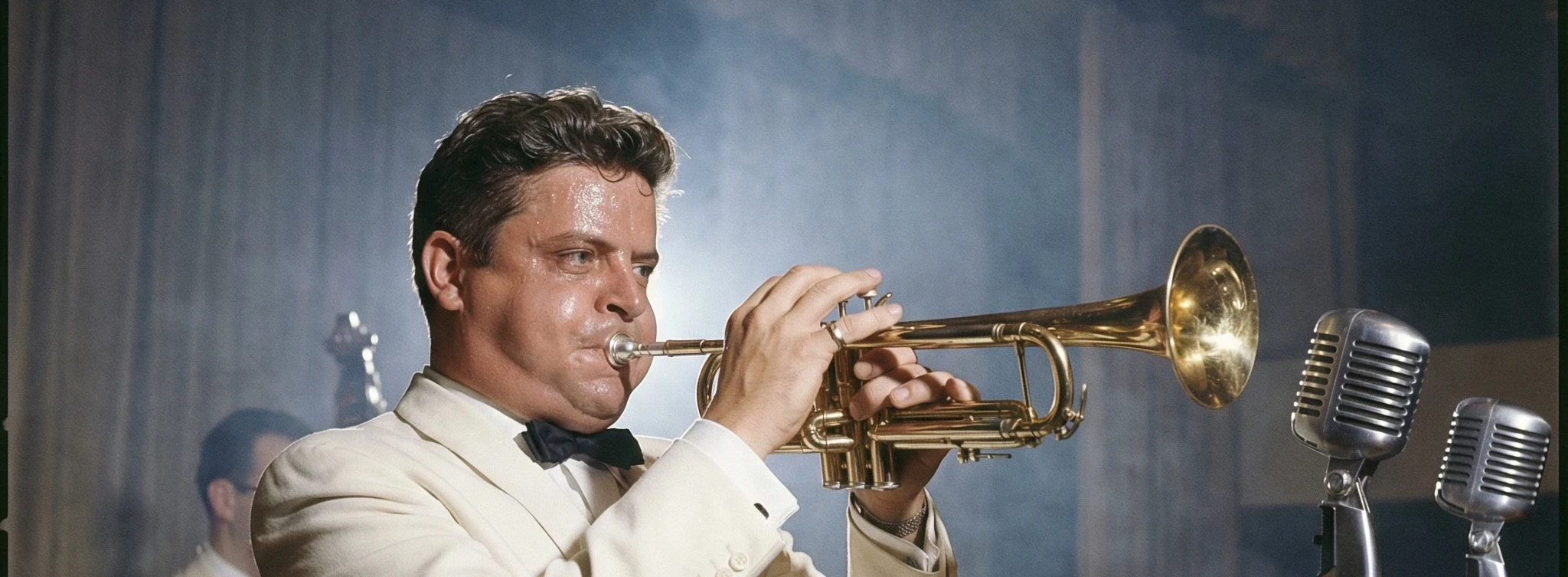
- Maynard Ferguson: Known for his powerful high trumpet notes, Ferguson could light up any stage. He started out with big bands and later put his own stamp on jazzrock with tracks like “Gonna Fly Now.” There’s something magnetic about the way he brings energy to every note.

- Billie Holiday: Holiday’s emotional depth set a new standard for vocal jazz. Songs like “Strange Fruit” and “God Bless the Child” highlight her ability to make every note meaningful. Her unique phrasing and deep connection with lyrics inspired both listeners and fellow musicians. Holiday made jazz vocals an art form all their own.
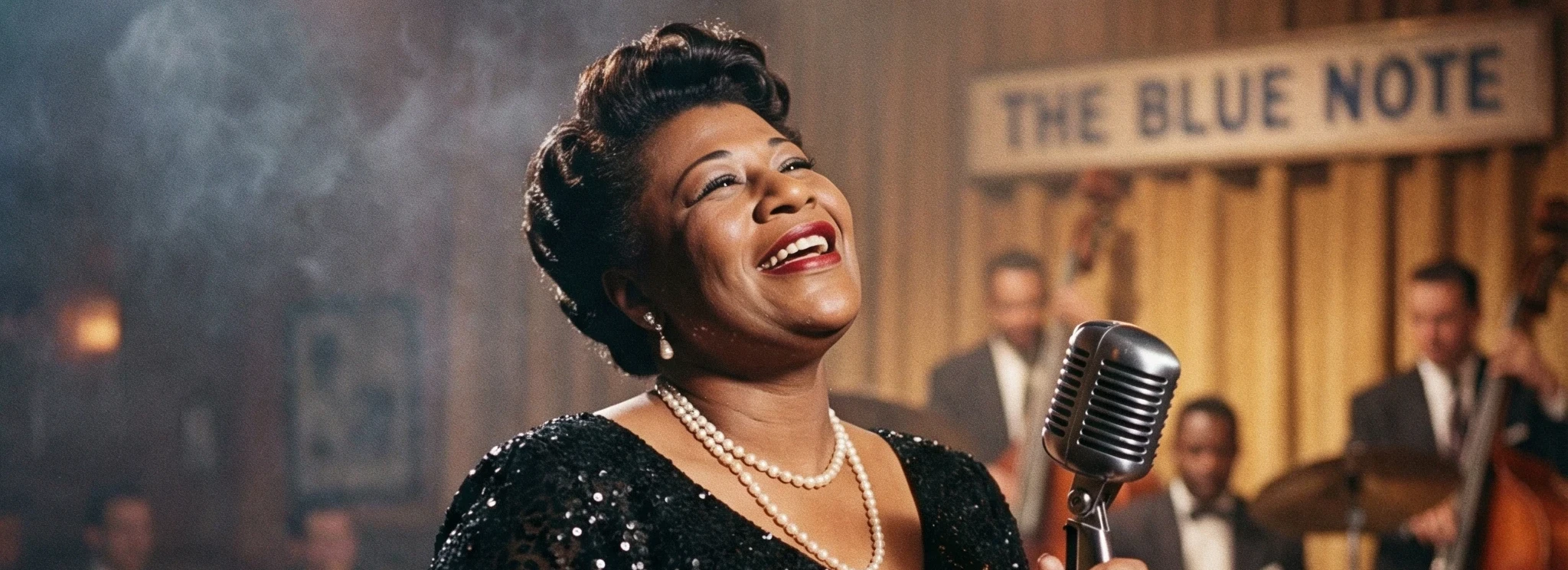
- Ella Fitzgerald: Often called the “First Lady of Song,” Fitzgerald’s vocal range and pure tone turned her into a jazz icon. Her improvisational scatting and collaborations—with everyone from Duke Ellington to Louis Armstrong—opened doors for women in jazz and helped spread the music far beyond its original scene.
Signature Styles That Shaped Jazz
Every jazz musician brings their own twist to the genre, but these legends stood out for more than just technical skill. I notice that jazz isn’t only about solos—it’s just as much about how the music makes you feel, and how the audience reacts.
- Improvisation: Jazz grows from live, spontaneous creation. Armstrong’s solos, Coltrane’s extended jams, and Parker’s quick runs all show how jazz is shaped in real time. The rush of catching something unique at a live show keeps fans, like me, coming back.
- Creative Band Leadership: Basie ran his band almost like a family, letting musicians try out wild musical ideas free from fear. Gillespie led with humor and showmanship, while Davis always adjusted the lineup to push jazz further.
- Mixing Influences: Gillespie brought in Latin percussion, Davis stepped into electronic sounds, and Armstrong merged blues and brass. These artists pulled from everywhere, proving that jazz never stands still.
Challenges Jazz Musicians Faced Along the Way
Even the greatest jazz figures faced tough odds. Segregation, tough travel schedules, and industry pressures marked the jazz life, especially during the 20th century’s early days. Armstrong and his peers played to mixed audiences but were hobbled by unfair rules off stage. Many artists struggled with nonstop touring and club residencies, leading to burnout.
Another hurdle was being misunderstood. At times, jazz was painted as “problem music” or shrugged off by the mainstream. Musicians struggled to get radio play or snags at bigger venues. Despite these roadblocks, these legends found ways to push boundaries, connect with fans, and leave lasting marks. Their struggles make their music even more meaningful to me; it’s not just art, but a story of persistence and faith in something greater.
Tips for Enjoying and Exploring Jazz
Jumping into jazz can feel overwhelming at first, but it’s worth it. Here are a few lessons I figured out that make stumbling upon jazz way more rewarding:
- Start with the Classics: Albums like Miles Davis’s “Kind of Blue,” John Coltrane’s “A Love Supreme,” and the best of Louis Armstrong are great entry points. They’re easy listening and packed with gems.
- Listen Live When You Can: Jazz is meant to be heard in person, where the energy is real. Even a local gig lets you catch banter and interaction that no recording can match.
- Follow the Sidemen: Many jazz sidemen—players who supported the big stars—were incredible in their own right. Exploring artists like Art Blakey or Paul Chambers opens up a whole new jazz world.
- Check Out Different Styles: From big band swing and bebop to postbop and fusion, jazz offers lots of variety. Try a few kinds to see what grabs you.
- Keep an Ear Out for Fresh Ideas: Listen for Parker’s quirky runs, Ferguson’s wild trumpet, or Coltrane’s daring harmonies. Jazz always pushes boundaries—each listen can bring a surprise.
Extra: Gear and RealWorld Jazz Experiences
You don’t have to play an instrument to appreciate jazz, but a bit of knowledge about the gear and performance spaces adds flavor. Early jazz recordings happened live, straight to vinyl, often in tricky settings. Trumpeters like Armstrong and Ferguson squeezed every sound from their horns—sometimes reworking their gear for just the right tone.
- Live Clubs: Basie’s band packed dance halls, while Gillespie’s combo could stir up a frenzy at the Apollo Theater. The vibe was about connection and spontaneity, not just technical skills.
- Recording Studios: Miles Davis pulled together groups in studios, encouraging risky takes that made his albums sound striking even decades later.
- Broadcasts and Film: Jazz often grabbed new fans through TV and movies. Armstrong and Gillespie brought jazz to people’s living rooms, making jazz part of world pop culture.
For anyone looking to get into jazz themselves, consider picking up a record player or streaming classic albums online. You might find yourself returning to old favorites or forming new obsessions. Don’t forget to check out local jazz nights—there’s magic in the energy between performers and audience. And, if you play an instrument, try jamming along with recordings to soak up the improvisational spirit.
Frequently Asked Questions
People ask me a lot about the best ways to jump into jazz or figure out what makes these artists stand out. Here are a few common questions:
Q: Where should someone new to jazz start listening?
A: Start with the basics. Louis Armstrong and Miles Davis give you the bones of jazz’s roots and growth. Exploring bestof collections or themed playlists also helps you get your feet wet without getting lost.
Q: What makes improvisation in jazz unique?
A: Improvisation is at jazz’s heart; it means making music on the spot, bouncing off fellow musicians. Every performance sounds a little different, so even the same tune can feel new.
Q: How has jazz influenced other music?
A: Jazz has shaped rock, pop, hip hop, and even electronic tunes with its rhythms and harmonies. The free, openended spirit of jazz laid the groundwork for much of modern music—including funky grooves and complex arrangements central to contemporary acts.
Jazz remains one of the most eye-catching and evolving genres, with roots and stories worth stumbling upon again and again. The legends highlighted here make a great starting point if you want to track down what makes this music so loved and longlasting. Spin a record, check out a live show, or just get into a playlist. You won’t regret giving it a shot.