If you’ve ever found yourself zoning out to soft, flowing music or feeling your stress melt away with gentle background tunes, you’re definitely not alone. New Age music has worked its way into playlists for meditation, yoga, bedtime, and even work sessions. For anyone new to the genre, getting into it can be a little confusing, especially with so many styles and artists out there. I’m here to break down what New Age music actually is, why so many people see it as healing, and how you can use it to bring a little calm into your life, even if you’re just starting out.
Understanding New Age Music: What Makes It Different?
New Age music first started showing up in the 1960s and 70s. The idea was to make music that helps listeners relax, meditate, or tap into a sense of well-being. I think of it as the soundtrack for self-care or introspection. While other genres focus on catchy hooks or lyrics, New Age music is all about mood and atmosphere.
You’ll usually hear soft synthesizers, flutes, acoustic guitars, pianos, nature sounds, and even chimes. Melodies tend to be gentle and repetitive, which helps make the listening experience pretty calming. Some tracks borrow elements from world music or blend in natural field recordings, like rain, ocean waves, or birdsong. The variety of sounds, including wind instruments and soft percussion, can transport the listener to tranquil places without leaving the room. This diversity means there is something for everyone, from shimmering electronics to soothing acoustic arrangements.
Unlike mainstream pop or rock, New Age music doesn’t always have a set structure. There might not be a chorus or strong beat. Instead, the goal is to give your mind a break, ease tense muscles, or create a peaceful space wherever you are.
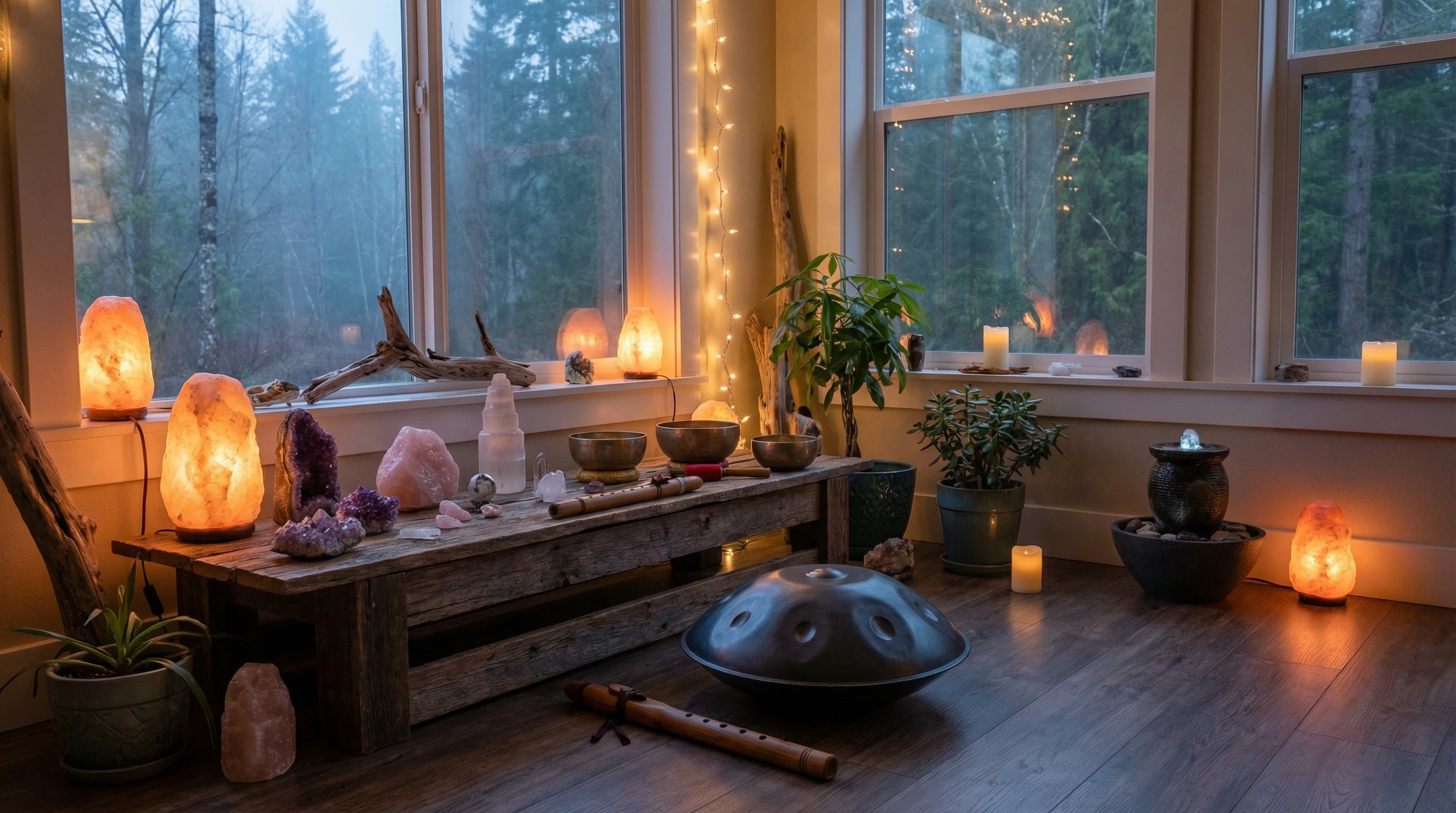
Another interesting point is that New Age artists often draw inspiration from spiritual traditions, nature, and cultural philosophies, allowing them to make music that resonates on a deeper level. In concerts or recordings, some musicians include sounds from Tibetan singing bowls, Native American flutes, or even ancient lyres, blending timeless themes with modern production.
Why People Turn to New Age Music for Healing
New Age music is often played in yoga studios, spas, therapy clinics, and homes because it’s really good at helping people unwind. Here are a few reasons folks consider it “healing”:
- Stress Reduction: Listening to gentle, repetitive sounds can help lower stress hormones. My own evening routine almost always involves some kind of ambient playlist; when I skip it, it actually feels harder to slow down.
- Mental Clarity: The background nature of New Age music means your brain isn’t overwhelmed by lyrics or sudden changes, which can help with focus, reflection, or creativity.
- Emotional Support: Many people use this music during difficult times, such as after loss or during recovery, to create a sense of comfort and grounding.
- Better Sleep: Calming music sets the stage for better rest and can signal to your body that it’s time to wind down.
There’s growing research supporting these experiences too. According to studies from the National Institutes of Health, calming music can help reduce anxiety, improve sleep, and even lower blood pressure in some cases. Music therapists sometimes suggest New Age tracks for patients dealing with chronic pain, attention issues, or significant emotional stress, adding to the evidence of its positive impact on well-being.
Getting Started: How to Use New Age Music in Daily Life
If you’re curious about weaving New Age music into your routine, there’s no need to overthink it. You don’t need special speakers or training. Here’s how I recommend starting out:
- Set an Intention: Figure out if you want music to help you relax, focus, meditate, or sleep. Picking a purpose makes it easier to find tracks or playlists you’ll actually use.
- Choose the Right Environment: Whether it’s a home office, living room, or beside your bed, anywhere you can set your phone or speaker works. Dimming the lights or adding candles can make things even more relaxing, but it’s not required.
- Try Out Different Artists and Styles: Some artists or albums use more nature sounds, while others stick to dreamy pianos or synths. Exploring a few top playlists on streaming platforms is a great way to sample the range.
- Listen Consistently: I find that just a few minutes a day makes a difference. Morning and evening are both really popular times, but there’s no wrong way to do it; consistency is what counts.
As you develop a habit, you may also find new ways to work music into your day, like during meals or a relaxing bath. Some like to pair New Age music with aromatherapy or soft lighting for a full sensory experience. Even simply having a playlist in the background while running errands or commuting can make daily stresses feel much lighter.
Popular Subgenres and Sounds in New Age
New Age music definitely isn’t one size fits all. While “ambient” is the word you hear most, there are a ton of smaller categories under the New Age umbrella:
- Ambient: Long, flowing soundscapes without any real melody. Really useful if you want to block out distractions.
- Healing/Chakra Music: Designed for energy work or meditation, often featuring singing bowls, bells, or deep synths.
- Nature Fusion: Combines lush environmental sounds with gentle music, perfect if you love rainy day vibes or ocean waves.
- World Blend: Brings in flutes, drums, and other instruments from different cultures, adding a global touch.
- Space Music: Faces toward a cosmic or futuristic feel. Think deep drones and shimmering high sounds, ideal for stargazing or even sleep.
If you search for New Age music online or on Spotify, you’ll see artists like Enya, Deuter, Kitaro, and Liquid Mind popping up repeatedly. Each one brings their own flavor, so it’s worth experimenting to see what feels best for you. Other names include Loreena McKennitt, Yanni, and Jean-Michel Jarre, each offering unique soundscapes that could resonate with your personal preferences.
Top Tips for a New Age Music Listening Routine
- Pick a Calm Time: Find a part of your day when you aren’t rushed. This might be right after waking up, during a break, or right before bed.
- Get Comfortable: Use a cozy chair, mat, or even your bed. Some people like to listen with earbuds, while others use small speakers.
- Focus on Breathing: While listening, try to notice your breath. Short sessions of mindful breathing can make the music even more effective.
- Experiment with Background Use: New Age music isn’t just for meditation. I use it while reading, writing, studying, and even tidying up. The point is to reduce stress and boost focus, whatever the task.
- Keep an Open Mind: Not all tracks will click with you, and that’s okay. Don’t be afraid to skip what doesn’t feel right and save what does.
Building a simple playlist with a few of your favorites can help keep this routine easy and enjoyable. Try switching up your playlist as the seasons change or as your moods shift, so the music stays fresh and interesting.
Choosing Your First New Age Music Albums or Playlists
There’s a lot out there, but here are a few albums and playlists that get recommended for beginners. These all show off the soothing, melodic side of New Age, that perfect balance for relaxation:
- Enya – “Watermark”: Classic airy vocals and beautiful instrumentals. Super chill for winding down or reading.
- Deuter – “Reiki Hands of Light”: Used in a lot of massage and healing clinics. Lots of gentle flutes and calming elements.
- Liquid Mind – “X: Meditation”: True to its name, it’s made for meditative sessions. Great for anyone who wants to let their mind drift.
- Kitaro – “Silk Road”: Has a more cinematic feel, blending in elements of world music and synthesizers.
- Spotify Playlist – “Peaceful Meditation”: Updated frequently with a mix of new and classic New Age tracks from a variety of artists.
Start by picking one album or playlist you like the sound of, and try it out for a week. If it’s helping you relax or focus, slowly add more to your rotation. You might find that certain artists work better for specific moods or times of day. Don’t hesitate to search for themed playlists, whether you want music for morning focus, rainy afternoons, or deep sleep support.
What to Watch Out for and Common Misconceptions
New Age music sometimes gets lumped in with elevator music or stuffy spa playlists, but the genre actually covers a wide range of sounds. There are artists who push boundaries and experiment a lot, so you might be surprised by what you find if you go a little deeper than the first five Spotify hits.
- Not Just for Meditation: New Age isn’t only for spiritual or “alternative” settings. I use it during regular work hours, and I know others who play it for kids, while cooking, or to help lower general home stress.
- No One “Right” Way to Listen: If chanting or singing bowls don’t vibe with you, there are plenty of other options. The point is to find what fits your routine, not force something trending.
- Experimentation is Key: Some days, nature sounds work best; other days, allsynth playlists keep my mind clear. Having a mix of tracks ready helps keep things interesting.
- Quality Varies: Because anyone can upload music online, not every New Age track will be well made or balanced. If something sounds harsh or off, find curated playlists from bigger services or recommendations from therapists and yoga instructors.
It’s also worth noting that New Age is not just background noise; it can be as musical and meaningful as any other genre when you find artists and tracks that really resonate.
Frequently Asked Questions
Here are a few things I often get asked about New Age music and its healing effects:
Question: Can New Age music really help with anxiety or stress?
Answer: Many people notice feeling calmer or less stressed after regular listening. While it’s not a magic cure, studies suggest it can reduce anxiety levels, especially as part of a calming routine. Everyone responds a little differently, so personal experience is really what counts.
Question: Do I need special speakers or headphones?
Answer: Not at all. Any headphones or speakers will work. If you want a fuller sound, try using a good quality speaker, but your phone or earbuds can still create a relaxing experience.
Question: How long should I listen each session?
Answer: Even just 5 to 10 minutes can make a difference. Consistency matters more than length; daily short sessions often feel more effective than occasional hourlong ones.
Bringing More Calm and Healing into Everyday Life
New Age music can be a simple tool for calming nerves, fueling creativity, or making day to day routines a bit smoother. Whether you want to wind down after work, support a new meditation habit, or just need a gentler background for life, the right playlist can make a noticeable difference. The best way to get started is to listen, experiment, and pay attention to how you feel. You might be surprised just how much a little music helps you create a more peaceful everyday experience. Give it a try and see how this all-in-one genre can set the tone for a calmer, more focused, and happier day.
To Get a More In-Depth Look at the Healing Power of New Age and Easy Listening Music, Click Here!