
Symphonic metal is one of those genres that really pulls you in with its dramatic blend of classical music and heavy metal. If you’ve caught yourself headbanging to soaring string sections or epic choirs behind shredding guitar riffs, you’ve felt the draw. Over the past few decades, symphonic metal has quietly worked its way into the DNA of all sorts of rock and metal, changing the way bands write, record, and perform music. Here’s my take on how this genre’s bold and cinematic approach has influenced today’s modern rock and metal scenes, and why fans keep coming back for more.
The Rise of Symphonic Metal and Its Core Ingredients
Classical music and heavy metal might seem like an odd mix, but throw them together and you get something powerful. Symphonic metal took shape in the late 1990s and early 2000s, with early albums like Nightwish’s “Oceanborn,” Within Temptation’s “Mother Earth,” and Epica’s “The Phantom Agony” showing just how well these worlds can mesh. I remember the first time I heard those swelling orchestral parts over chunky guitars—it felt like I was listening to a movie soundtrack crossed with thunder.
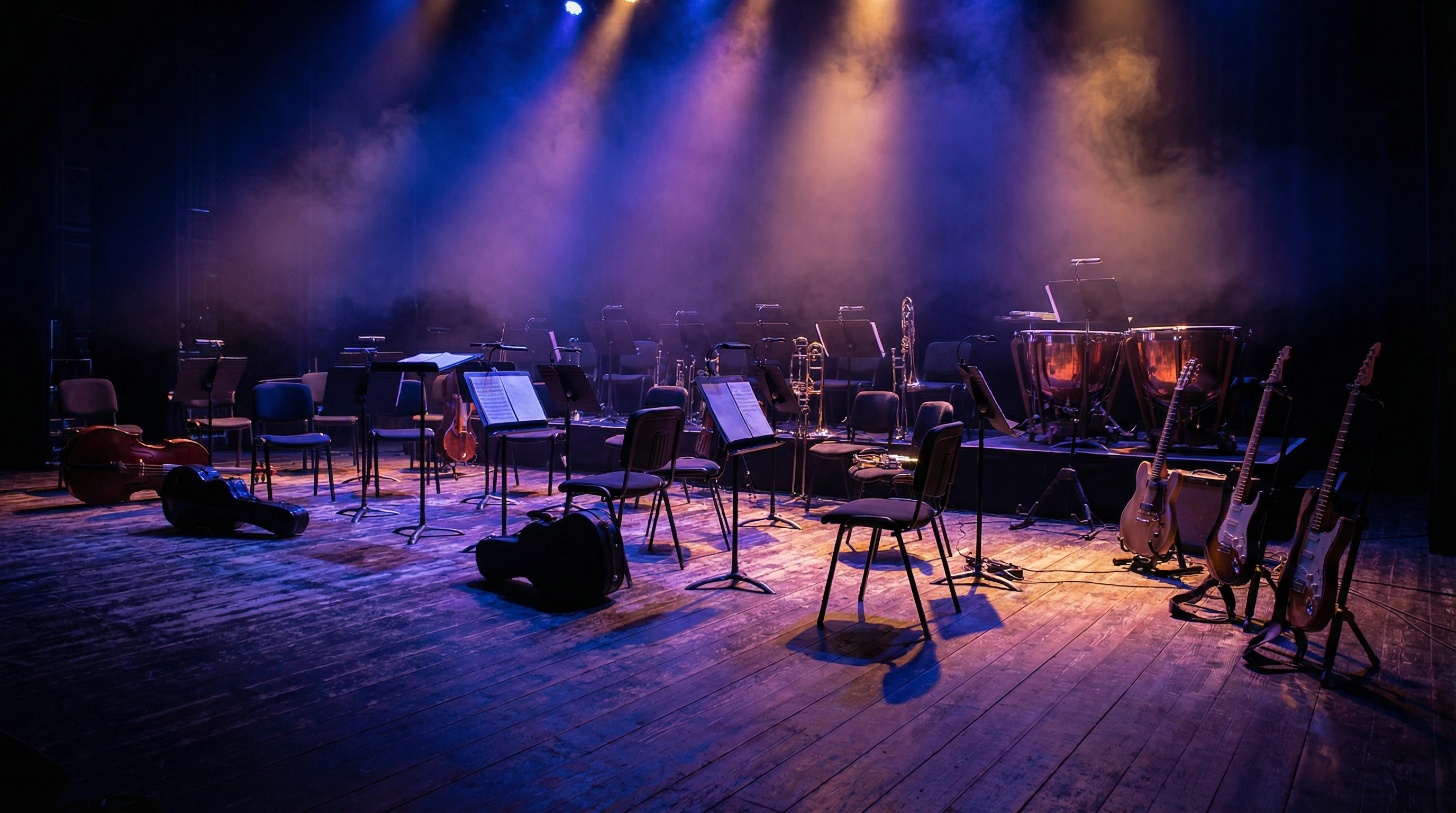
This style isn’t just about violins over metal riffs; it’s about borrowing elements from classical composition. Bands use choirs, grand piano, string sections, and even full orchestras to build their sound. The lyrics often lean toward the epic too, with fantasy, mythology, and personal struggle front and center. This approach creates songs that aren’t just music, but entire experiences. Every instrument is telling part of the story, from the sweeping strings to the driving double bass drums.
What really sets symphonic metal apart from other fusion genres is how it takes inspiration from both worlds to develop something all its own. The influence of symphonic metal’s orchestral choices stretches beyond the genre too. Even bands not strictly labeled “symphonic” have started playing around with these elements, adding cinematic intros, haunting piano lines, and choir vocal harmonies to their tracks. It’s a way for artists to bring more atmosphere to their music, stepping away from rigid formulas and offering listeners a richer sonic experience.
How Symphonic Metal Mixed Up Modern Metal’s Sound
Metal was hardly lacking in drama before, but the rise of symphonic metal gave bands new playbooks for layering and arranging their songs. Instead of sticking to the classic guitar-bass-drums-vocal setup, a lot of bands started thinking bigger, adding layers that give songs more weight. If you spin tracks by Kamelot, Delain, or even early Evanescence, you’ll notice the use of string arrangements, operatic guest vocals, and digital orchestration. These tools were made popular by symphonic metal bands and quickly spread to other corners of the metal scene.
I’ve noticed this especially in the way songs are structured nowadays. Modern metal often features more gradual builds, with intros and outros that feel like you’re entering and then leaving a story world. A good example is how even core metal bands like Trivium or In Flames have dabbled in symphonic sounds on certain records, often to amp up the intensity of their big singles. At the same time, production techniques have shifted toward layering, so tracks are no longer just about raw speed or intensity, but about atmosphere and emotional nuance.
It’s not just the sounds there’s a philosophical change too. More bands are seeing albums as complete works of art, piecing together conceptual albums or rock operas that take cues directly from what symphonic metal has done for years. This narrative approach gives listeners a reason to stick with an album from beginning to end, tracking a story as much as hearing a collection of songs.
Symphonic Influences on Modern Rock Bands
Symphonic metal’s reach goes beyond the metal scene alone. Plenty of modern rock bands have borrowed from those signature orchestral flourishes. You hear this in power ballads with lush string sections or radio hits with rich piano and choir backings. Bands such as Muse and Thirty Seconds to Mars have included symphonic elements in both studio albums and live performances to create big, dramatic moments. Even progressive rock acts have boosted their soundtracks with symphonic layers for more immersive atmospheres.
Artists in other genres often collaborate with classical musicians or composers, especially for special projects or live recordings. Some poppunk and alternative bands have started working with composers to add orchestral intros, string bridges, or even fullblown live symphonies during concerts. This crossover brings a touch of grandeur and sophistication, keeping their performances fresh. These arrangements attract fans who might not otherwise check out these genres, thanks to the allure of dynamic, surprising sounds.
Quick Guide to Spotting Symphonic Metal Elements in Modern Genres
If you’re listening to new rock or metal and wondering whether there’s a symphonic influence, here’s how I usually spot it:
- Atmospheric Synths and Orchestral Samples: Listen for haunting synthstrings or full orchestra parts layered behind heavy guitars.
- Choir or MultiLayered Vocals: Bands will stack harmonies or add choir effects to lift choruses.
- Epic Song Structures: Tracks often open and close with cinematic intros, interludes, or long, dynamic bridges.
- Thematic Lyrics: Songs tell largerthanlife stories or get into topics like mythology, legends, or personal quests.
- Orchestration in Live Shows: Some bands team up with local orchestras or use sophisticated backing tracks for festivals and big tours.
You’ll spot these features in everything from heavy radio singles to deep album cuts by mainstream and underground acts alike. Train your ear to pick up on how strings and synths fill out the background or how vocals soar in a way that feels almost operatic.
Challenges and Criticism: What Bands Face Mixing These Styles
You might think adding symphonic elements is just a matter of layering strings, but the blending process isn’t always smooth. Balancing electric guitars with orchestral parts is tricky in both songwriting and production. Too much orchestra can overpower the original riffs, making everything feel muddy, while not enough leaves the song feeling unfinished.
- Sound Balance: Getting orchestras and heavy guitars to fit in the same mix calls for careful arrangement and skilled sound engineering. It’s a real test of a band’s and a producer’s chops.
- Live Performance Logistics: Reproducing symphonic metal tracks onstage can be expensive or tough to coordinate. Not every band can lug a full orchestra on tour, so most get creative with session musicians or pre-recorded backing tracks.
- Genre Purism: Some metal or rock fans push back, arguing that too many classical flourishes water down what makes metal or rock great in the first place. Bands sometimes face resistance for venturing too far from tradition, but these experiments often pay off with exciting new ideas.
I’ve found that when the mix is just right, symphonic influences can absolutely take a track up a notch. The key is using these elements to serve the song rather than just add bells and whistles. When everything fits together smoothly, the final result is a more powerful, cinematic listening experience.
Orchestral Arrangements
Producers and arrangers need to spend extra time crafting arrangements that highlight both the power of metal and the emotion of orchestral sounds. I’ve watched behind-the-scenes videos where bands carefully build orchestral parts in their home studios using digital orchestration, matching every note to the intensity of their riffs. This labor of love gives the music a polished, next-level cool sound that stands apart from standard rock and metal.
Live Shows and Tours
Bringing this sound to life on stage can be a big project. While some bigger names like Nightwish or Within Temptation have managed live orchestra collaborations, most bands rely on backing tracks, session musicians, or stripped-down arrangements. Despite these hurdles, fans love the spectacle and unpredictability of live symphonic shows. That’s one reason bands keep experimenting, and it’s not uncommon to see festival crowds go wild for a surprise symphonic set.
Big Wins: What Modern Acts Have Achieved by Going Symphonic
Plenty of modern metal and rock bands have carved out new audiences by embracing symphonic elements. Albums that blend orchestras and guitars often end up on year-end best-of lists and win over fans beyond the scene. Here are a few ways bands have really benefited:
- Wider Audiences: Symphonic touches attract listeners who might love film scores or classical music as much as heavy music.
- Dynamic Live Shows: Filling big venues or festival slots gets easier when your show comes with sweeping intros and powerful symphonic moments that stick with the audience long after the last note.
- Storytelling: Albums can dig deeper with complex themes and cinematic arcs, giving bands a way to stand out and build cult followings.
I’ve seen bands move from small clubs to major stages in part because their orchestral sound brings something new to the table. Awards, collaborations with composers, and invitations to unusual festivals all show how the genre pushes bands into new spaces where they’re able to reach an even bigger fanbase.
- Nightwish: Continues to headline major festivals worldwide, pushing the boundaries with large-scale live symphony collaborations. Their live spectacle is a must-see for fans of both metal and cinematic music.
- Epica: Frequently partners with film composers and releases full symphonic versions of their records. These alternate takes showcase just how much detail goes into their arrangements—worth tracking down if you’re into lush, all-in-one musical experiences.
- Bring Me The Horizon: Their experiment with a live symphonic show at Royal Albert Hall brought in fans who never listened to the band before. It was a crossover moment that proved just how big an impact symphonic flourishes can have on a modern act’s reputation.
Frequently Asked Questions
Curious about how symphonic metal’s influence shows up in today’s rock and metal? Here are a few questions I get asked a lot.
Question: Can any genre blend with symphonic elements?
Answer: Pretty much! While symphonic metal made this combo famous, you’ll notice orchestral flourishes in pop, indie rock, prog, and even more unexpected places.
Question: Do you need a huge budget to add symphonic sounds?
Answer: Not always. Sample libraries and digital orchestration tools can give indie bands access to lush sounds without hiring an orchestra, making game changing arrangements accessible to nearly everyone.
Question: Are live symphonic shows common?
Answer: Bigger acts sometimes do special live symphonic sets, but most tours use backing tracks or guest musicians for practicality and to keep things running smoothly on the road.
Why Symphonic Metal Still Matters in Today’s Music Scene
The impact of symphonic metal on modern rock and metal can be heard all over new music releases. Its cinematic style and passion for storytelling keep attracting both oldschool fans and curious newcomers. As tech evolves, even more bands are picking up these orchestral ideas to craft bold, memorable records. Whether you’re chasing epic choruses or grand song arcs, taking inspiration from symphonic metal is a move that keeps music fresh and exciting.
Check out symphonicheavy playlists or go back to some of the classics for inspiration. You’ll probably notice new layers every time you listen, as symphonic influences continue to get woven into the everchanging tapestry of rock and metal music.