
Classical music has shaped the soundtrack of history. Some composers created tunes that catch in your head, but a handful actually rewrote the rules, transforming the way music worked and sounded for everyone who came after. My experience as a lifelong music lover has shown me just how dramatic these changes can be, and I’ve noticed that even if you don’t memorize every note, the impact these composers made is still being felt now. Here’s an all-in-one look at the figures who truly changed the game in classical music.
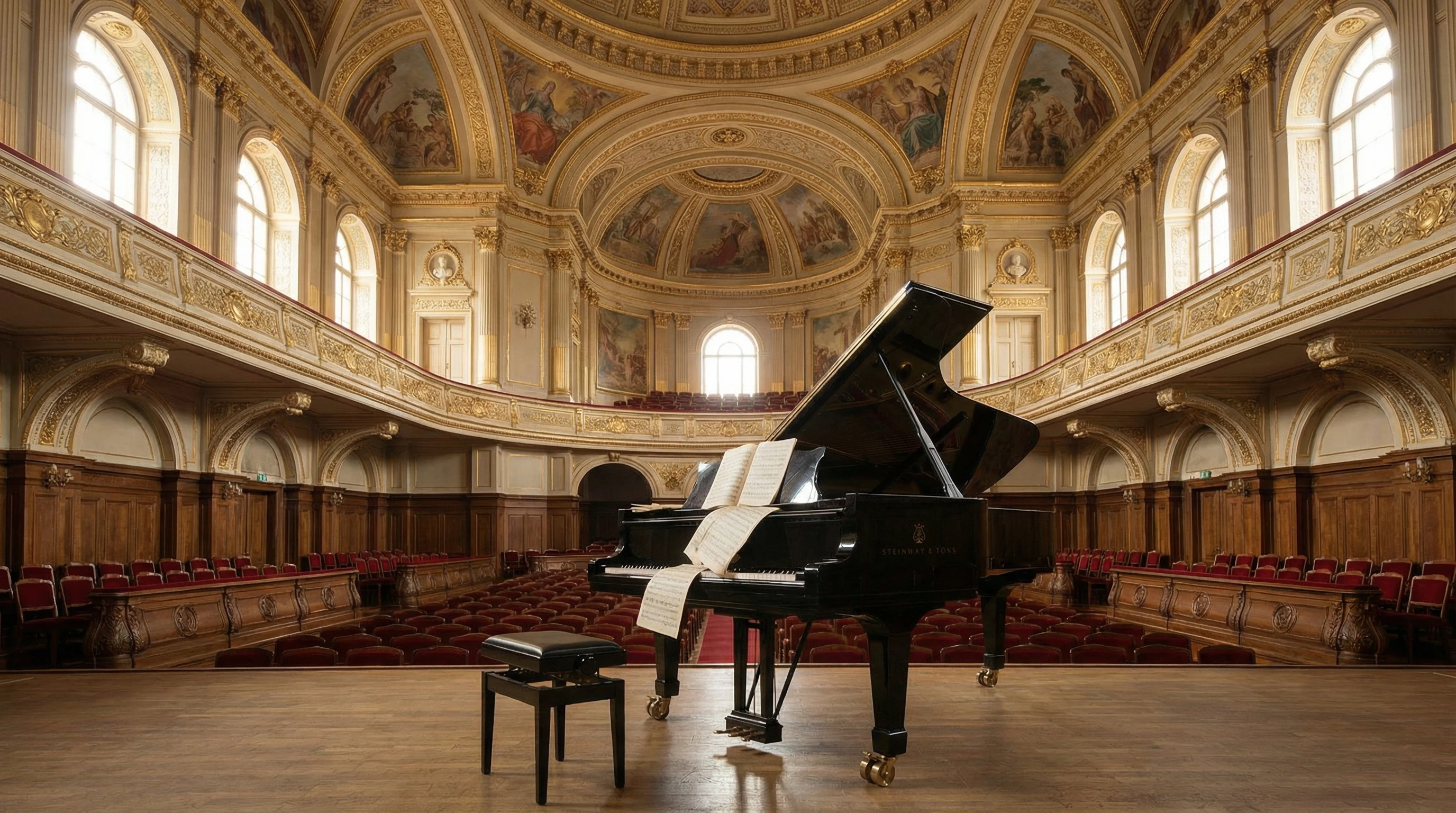
The Titans of Change in Classical Music
When looking at how music developed, the influence of some composers stands out big time. Beethoven, Bach, Mozart, Brahms, Wagner, and Stravinsky are just some of the names you’ll hear tossed around whenever the subject of thinking outside the box comes up. Each one not only left behind great works, but also tackled music in new ways that helped launch entire periods or changed how musicians thought about their craft.
These changes didn’t happen overnight. Some composers challenged established traditions, while others ran with new forms and ideas until they stuck. The good news for anyone curious about music history is that exploring these figures offers a shortcut to understanding how music, as we know it, evolved over time. If you stumble upon recordings or live performances, you’ll even see the echoes of their inventions today.
Learning from the Giants: What Makes These Composers Special?
The secret sauce behind these composers goes far beyond catchy melodies. It comes down to new approaches to harmony, structure, and expression. Here are a few terms that come up often when talking about the changes they brought to the table:
- Polyphony: When several melodies play at once. Bach loved this, and it’s why his music sounds so rich.
- Sonata Form: This became standard thanks to Haydn and Mozart, letting music unfold like a story.
- Chromaticism: Wagner and later composers added more varied pitches and harmonies for extra drama and color.
- Rhythmic innovation: Stravinsky, especially, took rhythm to wild new places nobody expected.
Quick Guide to the Composers Who Changed Everything
The adventure of classical music is packed with big personalities and bold moves. To help keep things organized, here are some of the main figures whose ideas turned the world of music upside down:
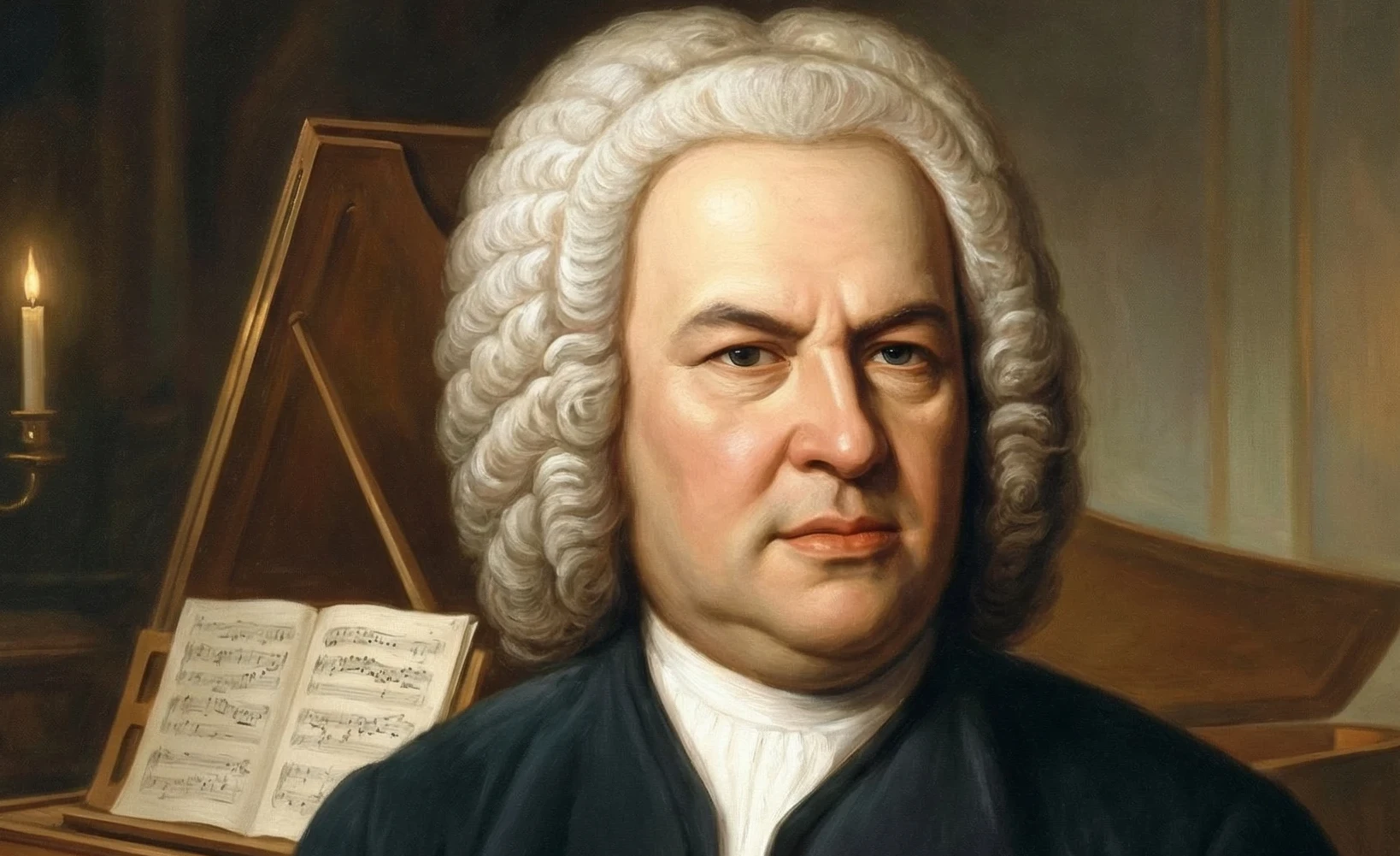 1. Johann Sebastian Bach: Set the standard for harmony and counterpoint. His music is still studied by practically every serious musician today.
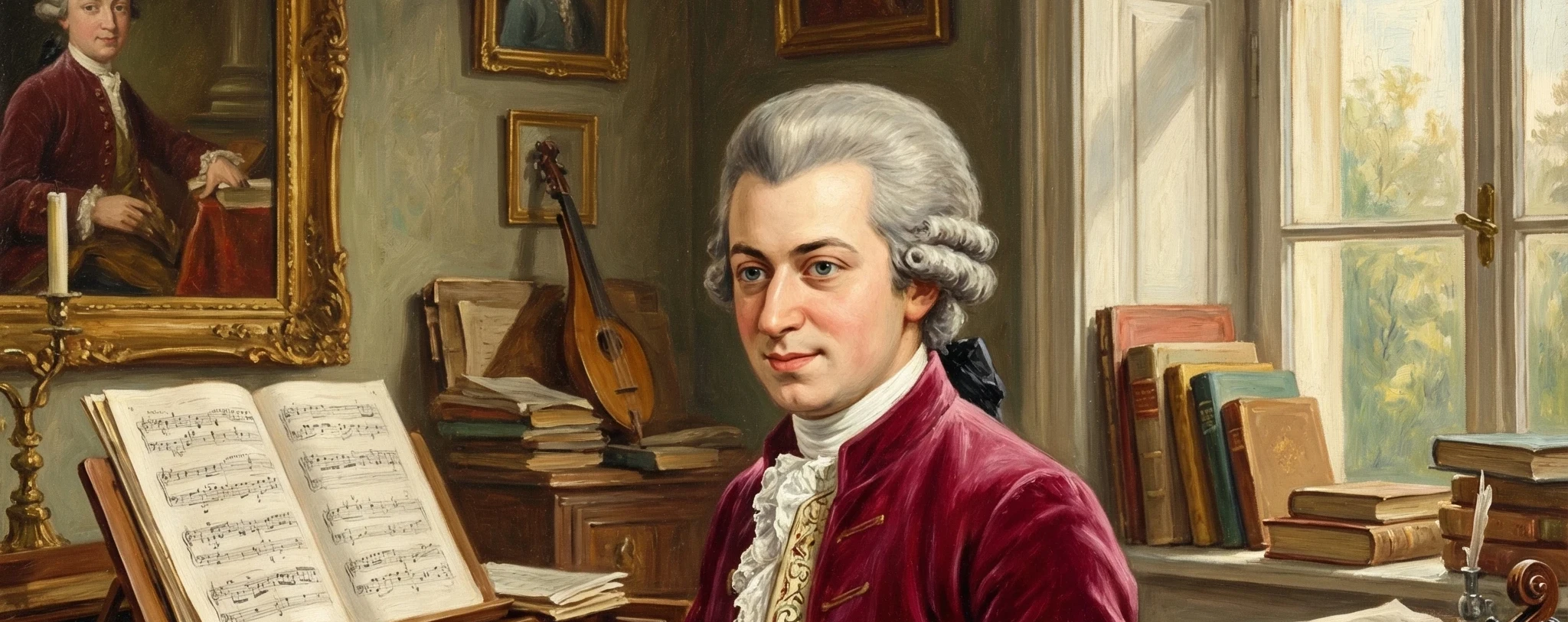 2. Wolfgang Amadeus Mozart: Made classical forms feel natural and full of character. His operas and concertos are both accessible and deep.
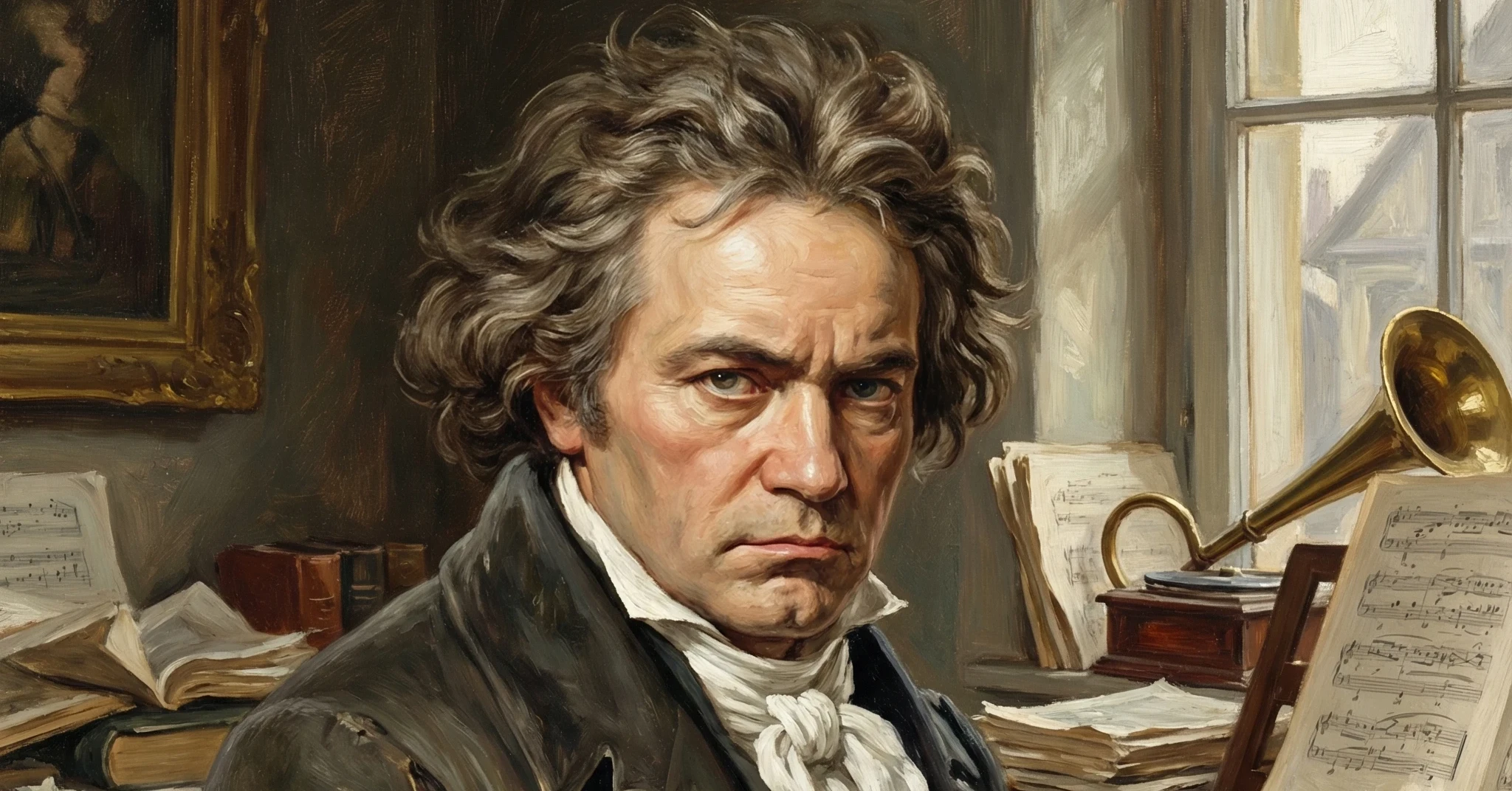 3. Ludwig van Beethoven: Expanded the length and scope of music, making it much more personal and dramatic. His symphonies became the model everyone looked up to.
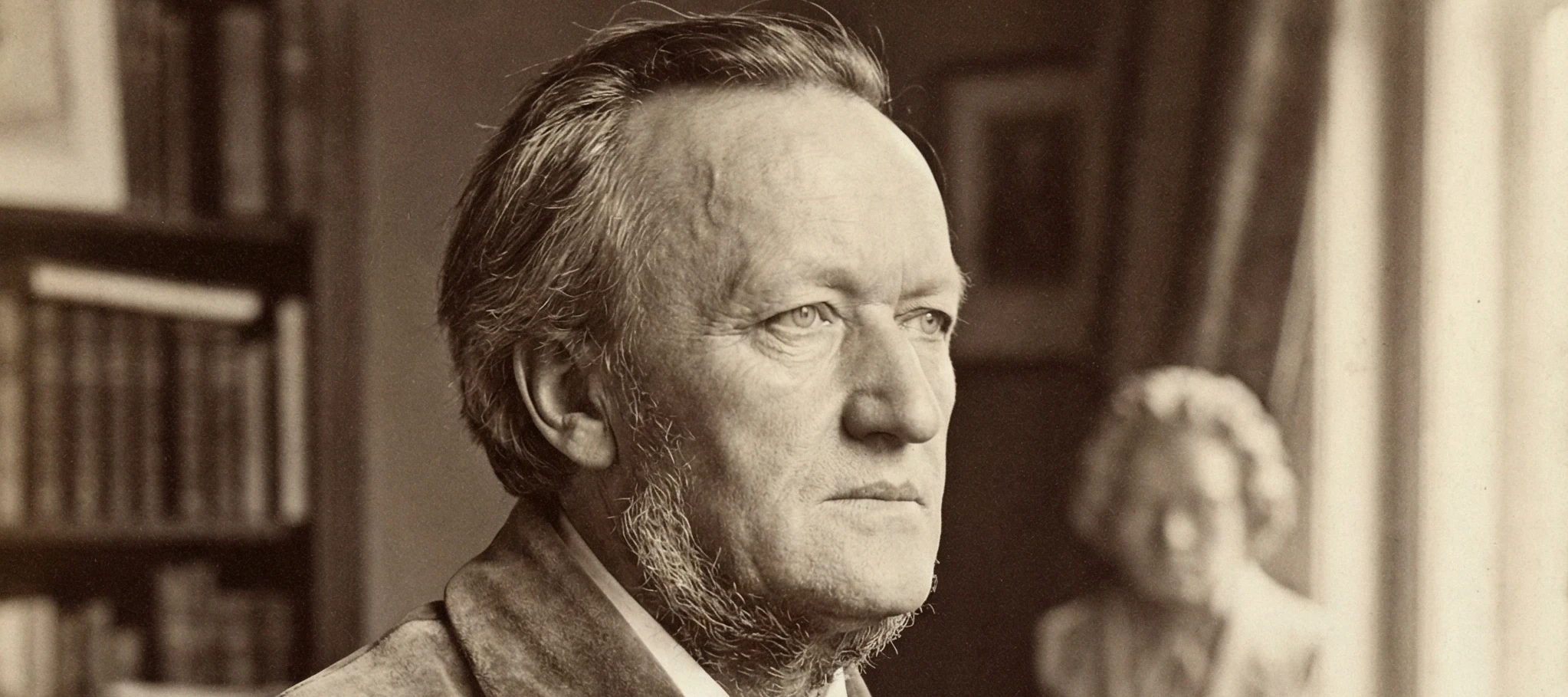 4. Richard Wagner: Pushed operas to become massive works of art that included drama, poetry, and music all together (“Gesamtkunstwerk”).
 5. Johannes Brahms: Bridged classical traditions with a more romantic feel, packing his music with emotion without dropping clever structure.
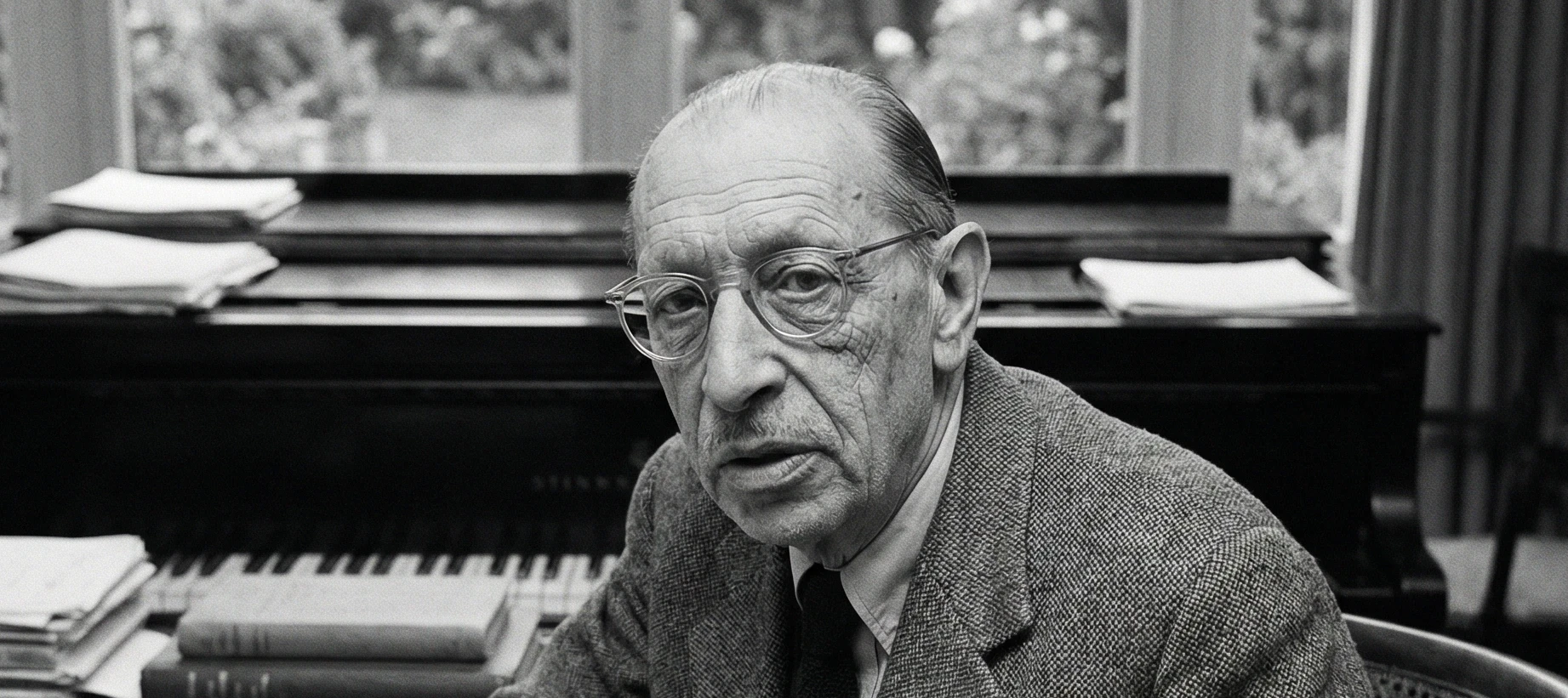 6. Igor Stravinsky: Flipped 20th-century music on its head with wild rhythms and clashing harmonies, starting with “The Rite of Spring.”
Knowing these names gives you a strong foundation for understanding not just classical music, but its impact on film scores, jazz, and even pop. And while they were not always appreciated in their lifetimes, their influence only grew as new styles took root.
Considering What Makes a Composer Revolutionary
Deciding who really changed music goes deeper than legacy and popularity. Several questions come up for me whenever I’m listening to, or reading about, these composers:
- Did they create something new? Innovators don’t just repeat what came before. They shake things up.
- Did their ideas actually stick? Plenty of musicians tried wild experiments, but only a few set lasting trends.
- How did their music change what audiences and other musicians expected? Some of the best-loved composers weren’t actually appreciated in their own time, but later generations caught up.
Getting a sense of what made these innovators tick helps us track down what really counts as groundbreaking. For a bit more perspective, here’s what each of the legends above brought to the table:
Bach’s Lasting Harmony
Bach organized complex harmonies into a style that felt logical and expressive. His brand of polyphony showed musicians what was possible with multiple melodies stacked and woven together. Pretty much every composer after him picked up something from his fugues or chorales.
Mozart and Effortless Expression
Mozart used structure to make music feel light and natural, sneaking in snappy tunes and clever twists. He gave form a fun, emotional edge that had a huge effect on later composers and still draws in audiences today. Mozart’s music highlights the beauty of balance while still surprising us.
How Beethoven Changed Expectations
Beethoven’s later pieces expanded forms and brought more intensity and emotion. The switch up from neat, balanced classical form to something more dramatic and unpredictable is pure Beethoven. I’m always struck by how his music pushes me to feel more than just admiration; his works actually tell stories or roam boundaries in ways nobody else dared at the time. Beethoven’s symphonies, especially the later ones, step up the possibilities for what orchestras could express.
Wagner’s Dramatic Leap
Before Wagner, operas were mostly tightly boxed in by old traditions. He put it out there, mixing music, poems, lights, and stagecraft. His powerfully emotional harmonies, called “endless melody,” let the music flow without breaks, setting a new direction for composers and filmmakers. If you enjoy modern epic film scores—think “Star Wars” or “Lord of the Rings”—you’re hearing echoes of Wagner’s revolution.
Brahms and the Romantic Tradition
Brahms gets respect for both loving the classical style and filling it with more lush harmonies and bigger emotional swells. He didn’t chase trends. Instead, he combined technical skill with warmth, bridging the gap between earlier traditions and newer ambitions while still sounding fresh and heartfelt.
Stravinsky’s Modern Revolution
Sitting in the audience for “The Rite of Spring” a century ago would’ve been a wild experience. Stravinsky used unexpected accents and rhythms so sharply that the premiere actually started a riot. He changed what it meant to be a modern composer, inspiring not just musicians, but dancers, artists, and filmmakers. His unique sense of rhythm and harmony continues to lift up creative minds today.
Troubles and Breakthroughs in the Composer’s World
Changing music wasn’t all glamour and praise. Plenty of these composers wrestled with money problems, disappointing premiers, or even public outrage. Some, like Wagner, dealt with controversy around their personalities as much as their work. Beethoven lost his hearing, while Mozart died poor. Stravinsky was often met with confusion before admiration caught up.
Managing these hurdles was really important for their impact; great works often come from persistence, stubborn vision, and a willingness to take risks. Studying how these composers worked their way past setbacks can be pretty inspiring for anyone tackling creative challenges or pushing boundaries in their own fields.
Tips for Listening and Appreciating Classical Innovators
Getting into classical music, especially the “game changers,” helps to have a bit of guidance. Here are a few ideas that I find really useful if you’re just starting to listen or want to get more out of it:
- Start with their most famous works: These are popular for a reason! Beethoven’s 9th Symphony, Bach’s Brandenburg Concertos, Mozart’s operas, and Stravinsky’s “The Rite of Spring” all have something exciting to offer.
- Compare the old and the new: Try listening to a pre-Bach composition and then one of his fugues, or check out how rhythm changes from Mozart to Stravinsky.
- Read a little background: Even a quick article about the pieces you hear can brighten up what was game-changing in their time.
- Watch performances: Seeing musicians tackle this music live often helps you spot details and emotion that aren’t so obvious in recordings. Sometimes, a performer’s all-in-one effort really shows the composer’s edge.
Digging Into Common Questions
Here’s what folks usually ask about classical composers and their music:
Question: How can I start exploring music by these influential composers?
Answer: Pick one composer to start, look up their best-known works online, and just spend some time listening. Many streaming platforms even have curated playlists, so getting started only takes a few clicks.
Question: Why do people still listen to these composers centuries later?
Answer: Their music stays popular because it connects with different emotions on so many levels. The mix of technical mastery and genuine feeling means these works stay fresh and exciting even as tastes change.
Question: Are there modern composers pushing boundaries like these older giants?
Answer: Definitely! While names like Steve Reich, Philip Glass, and John Adams have changed what “classical” means now, they all borrow some of their adventurous spirit from the legends who came before them. Today’s composers keep mixing in variety—sometimes you’ll spot a little Bartok in a videogame soundtrack or Stravinsky’s rhythms in a jazz number.
Why the Groundbreakers Matter
Spending time with music by these boundary-pushing composers is really rewarding—not just for their sound, but for the mark they left on all the music that came after. They didn’t just create beautiful notes. They taught us something new about what music can do. Whenever I fire up a playlist or head to the symphony, I find myself grateful for these creative risk-takers and the bold moves that changed music forever.