Something about 80s rock always gets my heart pounding. Big riffs, wild solos, and, of course, hair that practically scrapes the ceiling. The glow-up of 80s hair bands shaped not just rock music but a whole generation of style, attitude, and stadium-sized anthems. If you’ve ever caught yourself humming along to Motley Crue or marveled at KISS’s transformation from the 70s through the 80s, you know there’s a lot more to this era than just hairspray and leather pants. Let’s roll through the surge, sound, and legacy of 80s hair bands, straight from the glamour of the Sunset Strip to the harder edges that came later.

The Rise of Hair Bands in the Early 80s
In the early 80s, rock was itching for something flashier and a bit more over the top. That’s where glam metal—often called hair metal— really started cooking. Bands like Motley Crue and Twisted Sister came charging out of Los Angeles clubs with a look and sound that was impossible to ignore. I still remember seeing Poison’s videos for the first time, colorful, catchy, and filled with a wild energy that made arenas go crazy.
The Los Angeles scene was legendary for growing new talent. Whisky a Go Go, The Roxy, and other clubs along the Sunset Strip were packed with kids dreaming of being the next big thing. Outfits like Quiet Riot opened doors with their anthem “Cum On Feel the Noize,” paving the way for even bigger names to follow. The combination of melodic hooks with a heavier edge made this style super accessible, and the wild stage shows didn’t hurt either.
Key Bands that Defined Glam and Hair Metal
Hair bands aren’t just about the image; it’s the killer songs and electric performances that locked in their place in rock history. A few groups really helped launch the scene into the stratosphere:
- Poison: Tracks like “Talk Dirty to Me” brought fun, party vibes front and center. Bret Michaels’ band became poster boys for glam fashion and crowd-pleasing rock.
- Twisted Sister: Songs like “We’re Not Gonna Take It” turned into generation-defining anthems for rebellion. Their glam look was almost cartoonish but totally captivating.
- Motley Crue: Onstage chaos, thick riffing, and powerhouse hits like “Dr. Feelgood” made these guys legends. Their blend of bluesy guitars and outrageous antics set the 80s tone.
- KISS: Already theater-rock icons in the 70s, KISS dropped the makeup for a while and focused on a heavier sound with records like “Lick It Up.” Gene Simmons and Paul Stanley knew how to keep up with the times, showing serious range from their glam beginnings to polished 80s rockers.
Bands like Whitesnake, Winger, and Slaughter also crashed the airwaves later in the decade, taking the glam sound to something both harder and more radiofriendly.
Getting to Know the Subgenres: From Glam to Hard Rock
Hair bands didn’t stick to a single formula. The sound and look changed throughout the decade, taking sharp turns from poppy partyrock to something grittier by the end of the 80s.
- Glam Metal: Think Poison or Twisted Sister; these bands built their sound around catchy hooks, singalong choruses, and slick production. The lyrics focused on love, nightlife, and living it up.
- Hard Rock/Heavy Metal Influence: Motley Crue and Whitesnake peppered their music with heavier riffs and sharper lyrics. You’d still get the glam image, but with a more aggressive musical attack.
- Power Ballads: By the late 80s, slower, emotional songs started popping up on every record. Songs like Whitesnake’s “Is This Love” or FireHouse’s “Love of a Lifetime” combined big vocals with killer guitar solos, perfect for radio play and mixtapes everywhere.
- Progressive Touches: Bands like Queensryche added complexity, mixing hair band visuals with deeper lyrics and epic structures, especially notable on albums like “Operation: Mindcrime.”
Fans could track down their favorite substyle whether they craved fast-paced rockers, anthemic ballads, or ambitious storytelling. Part of the era’s appeal was the way bands were comfortable switching things up across albums, keeping their sound fresh and sometimes surprising.
Major Albums and Songs You’ve Probably Heard
A lot of what made these bands huge was their ability to deliver songs that stuck in your head for weeks. Stadiums would shake to Motley Crue’s “Kickstart My Heart,” while families bonded around MTV watching Twisted Sister’s parody-filled music videos. Some records pretty much defined the entire era:
- Poison, “Look What the Cat Dragged In” – Full of relentless party anthems and glam swagger.
- Motley Crue, “Dr. Feelgood” – A darker, more polished version of the band with hits that still rock hard live.
- Whitesnake, “Whitesnake” (1987) – Home to “Here I Go Again,” which topped charts and filled stadiums.
- Slaughter, “Stick It to Ya” – Gave the world radio hits like “Up All Night.”
- FireHouse, “FireHouse” – Their debut packed with melodic hooks and singalong ballads.
- Queensryche, “Operation: Mindcrime” – This album is complex and thematic, showing hair bands could be thoughtful and musically adventurous, too.
Music videos played a huge part in getting these songs out into living rooms everywhere. MTV magnified the scene, helping nail down the visual connection between the wild looks and the sounds blasting from the radio or cassette deck. Whether it was the next-level cool shots in Whitesnake’s car-chasing “Here I Go Again” or the tongue-in-cheek fun of Twisted Sister, these albums built memories that stuck for decades.
The Challenges and Switches That Changed Hair Bands
The hair band scene changed fast near the end of the 80s. By the early 90s, grunge started grabbing headlines, and suddenly flannel replaced leather pants almost overnight. But the real change started before that. Audiences and radio stations began to crave something less polished, more direct.
Many bands responded by toughening up their sound. Whitesnake added harder riffs, and KISS went back to basics, bringing the makeup back and mixing oldschool rock with newer production styles. FireHouse and Steelheart leaned harder into ballads and tight production, while others stuck with the partyrock formula until it no longer filled arenas. Meanwhile, MTV and radio’s shifting tastes forced many acts to rethink their image and music or risk fading away.
Some bands broke the rules, pushing to stay popular with more intense live shows and heavier material, while others embraced nostalgia and devoted fans. Whatever path they took, the switches marked a move toward new styles, making room for fresher acts like Guns N’ Roses and the grunge movement led by Nirvana and Pearl Jam.
Stage Shows and Cultural Impact
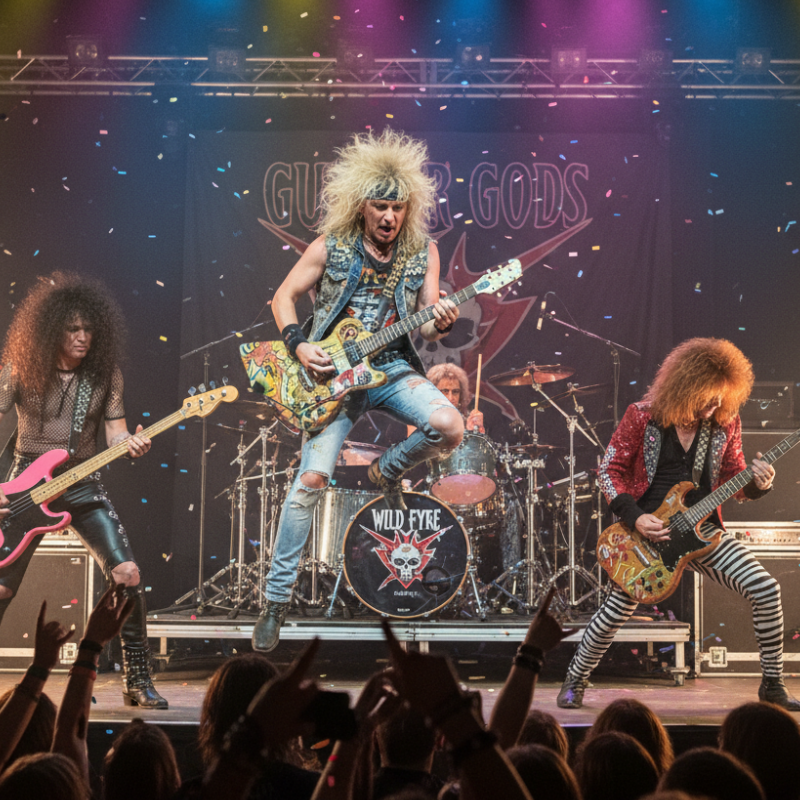
If there’s anything truly memorable about 80s hair bands, it’s how they turned live music into full-blown entertainment. Pyrotechnics, spinning drum kits, confetti explosions—these shows were pure spectacle. Motley Crue was famous for wild stunts like Tommy Lee’s upside-down drumming, and KISS raised the bar with jawdropping special effects.
The style—tight pants, leopard print, neon jackets, teased hair—spread beyond the concerts. Suddenly, malls and high schools across America were full of looks that wouldn’t have seemed out of place at a Poison gig. Rock fashion turned into streetwear, influencing style and advertising for years.
On the cultural front, hair bands changed the way people thought about self-expression. There was nothing shy or reserved; everything was loud, confident, and proud. That attitude, combined with out-there style, gave fans permission to stand out in the crowd.
Cool Features That Make These Bands Worth Checking Out
- Shredding Guitar Solos: Nearly every band on this list features guitar work that’s pretty jawdropping. CC DeVille from Poison or Mick Mars from Motley Crue both had their own signature moves and sounds.
- Anthemic Choruses: The singalong hooks are impossible to forget. “We’re Not Gonna Take It” and “Here I Go Again” practically demand to be screamed at full volume with the windows down.
- AttentionGrabbing Visuals: Whether it was Queensryche’s concept videos or KISS’s continual reinvention, these acts understood that looks won half the battle.
- Enduring Ballads: FireHouse and Steelheart struck emotional chords with songs like “She’s Gone” and “Love of a Lifetime.”
But there’s more. It’s the complete package—the hair, the stage antics, and the loyal fanbases still filling stadiums today. The humor, sometimes tongue-in-cheek, sometimes totally earnest, underpinned a surprising depth of musicianship and heart that still resonates with newcomers and longtime rockers alike.
Tips for Exploring 80s Hair Band Music If You’re Just Getting Started
- Start With the Hits: Jump into big singles from Poison, Twisted Sister, and Motley Crue. These tracks give a great feel for what the era was all about.
- Check Out a Full Album: Don’t stop at the singles. Listen to albums like “Dr. Feelgood” or “White Lion’s Pride” to appreciate the range and depth of these bands.
- Watch Live Performances: Look for clips from old concerts on YouTube. The live energy and showmanship are a huge part of the experience.
- Keep an Open Mind: Some lyrics and style choices might seem over-the-top today, but that’s part of the fun. There’s real musicianship and heart beneath all the makeup and spandex.
- Dive Deeper into Subgenres: Once you’ve had a taste, branch out to bands with progressive or heavy leanings like Queensryche or explore melodic acts like Europe to find your personal favorite.
Frequently Asked Questions About 80s Hair Bands
Question: What set 80s hair bands apart from other rock acts?
Answer: Mostly it’s the look and attitude: big hair, explosive stage shows, and flashy clothes. But it’s also melodic choruses, catchy riffs, and a certain sense of fun that set them apart from the more serious styles of earlier metal and hard rock.
Question: Did all hair bands fit the glam image?
Answer: Not exactly. While most bands started with flashy looks, some moved to a more stripped-down image as the decade went on. KISS, for example, started with heavy makeup, dropped it for a while, then brought it back with tweaks as their sound kept changing.
Question: Are hair bands still performing today?
Answer: Many are! Tons of classic bands like Motley Crue, Whitesnake, and Poison still tour and draw big crowds, proving there’s plenty of demand for that high-energy, larger-than-life vibe.
Why 80s Hair Bands Still Matter
Hair bands are more than a nostalgia trip. They influenced how artists thought about live shows, music videos, and fashion. They taught a generation that rock could be flashy and a little bit silly, but also heartfelt and technically skilled. Whether you’re new to their music or grew up cranking these records, there’s still a lot to love and stumble upon in the larger-than-life world of 80s hair bands.
This post brought back so many memories. Thank you for capturing the spirit of the era so vividly. I grew up watching MTV religiously and blasting cassette tapes of Poison, Twisted Sister, and Whitesnake in my room. Hair bands weren’t just music to me; they were a full-on experience. The teased hair, the neon, the unapologetic attitude… it was all part of a culture that celebrated boldness and fun.
What I loved most was how these bands could swing from wild party anthems to heartfelt ballads without missing a beat. ‘Here I Go Again’ still hits me in the chest every time I hear it. And those live shows? Pure spectacle. It wasn’t just about sound; it was about feeling larger than life.
Even as grunge took over in the ’90s, I never stopped appreciating the musicianship and theatricality of hair bands. They permitted us to be loud, expressive, and a little outrageous, and that legacy still echoes today.
Thanks again for this nostalgic deep dive. It’s amazing how music from that era still connects across generations