
If you’ve ever found yourself wowed by the music in a movie or stopped in your tracks by a beautiful symphony, you’re already in touch with the impact of classical composers. The classical music world is huge, but getting to know even just a handful of major composers opens up a world of creativity, emotion, and straight-up genius. Here’s my personal take on ten classical composers that everyone should recognize, along with a few tips on how to make the most of listening to their music.
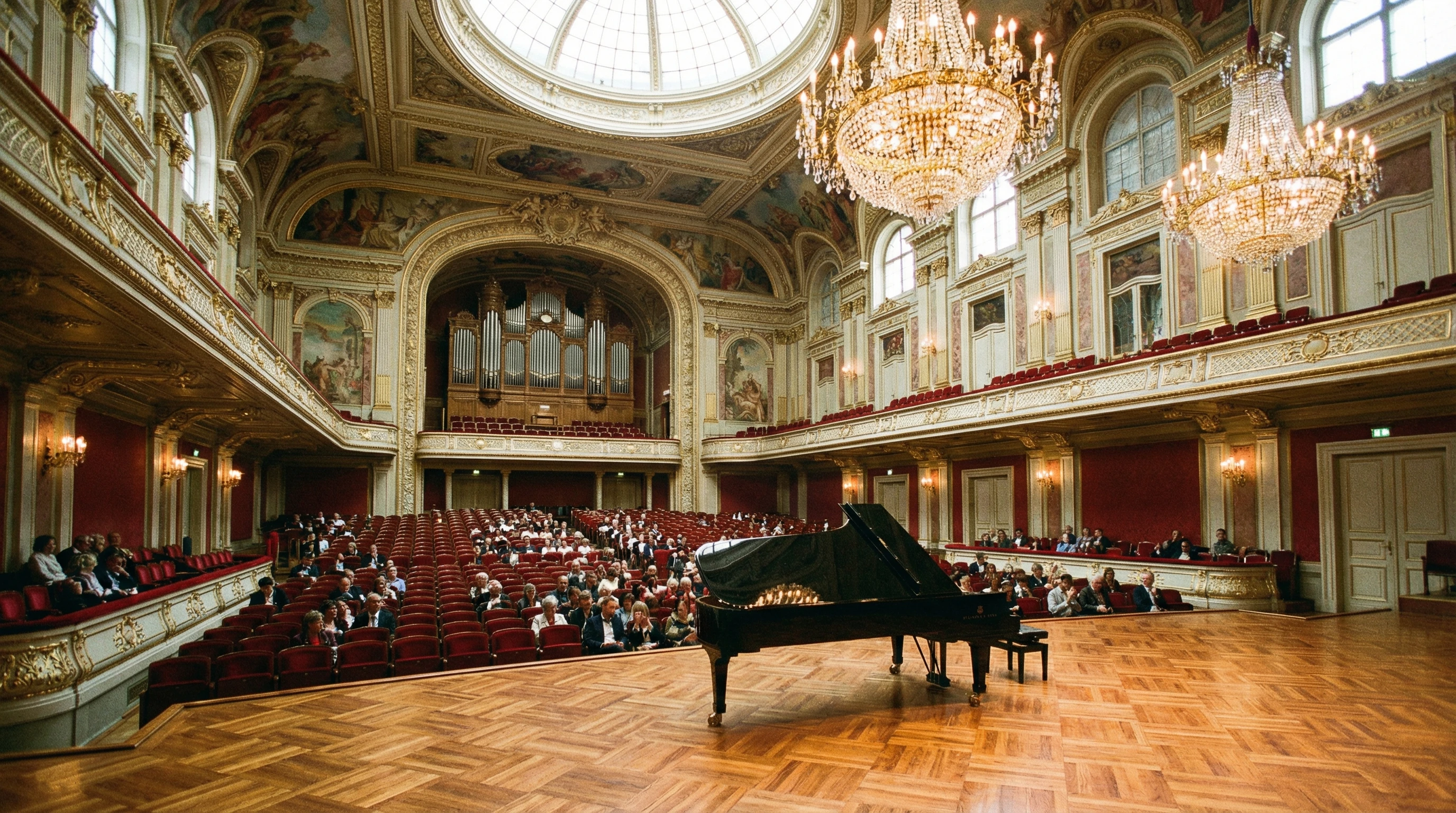
Why Classical Composers Still Matter
When most people hear “classical music,” they picture stuffy halls or school assignments. But the influence of these composers is everywhere—from film scores to video games and even pop songs. Understanding their music helps you see where so much of today’s music comes from. Plus, listening to classical music has even been linked to stress relief, improved focus, and emotional well-being (Harvard Health). So if you want a change from your usual playlists, tuning in to classical music is a great place to start for a little mental clarity and inspiration.
Meet the Top 10 Classical Composers
Here are ten composers who truly shaped how we experience music. Each left a distinct mark, so I’m going to walk you through what makes them special and why their music is still worth checking out today.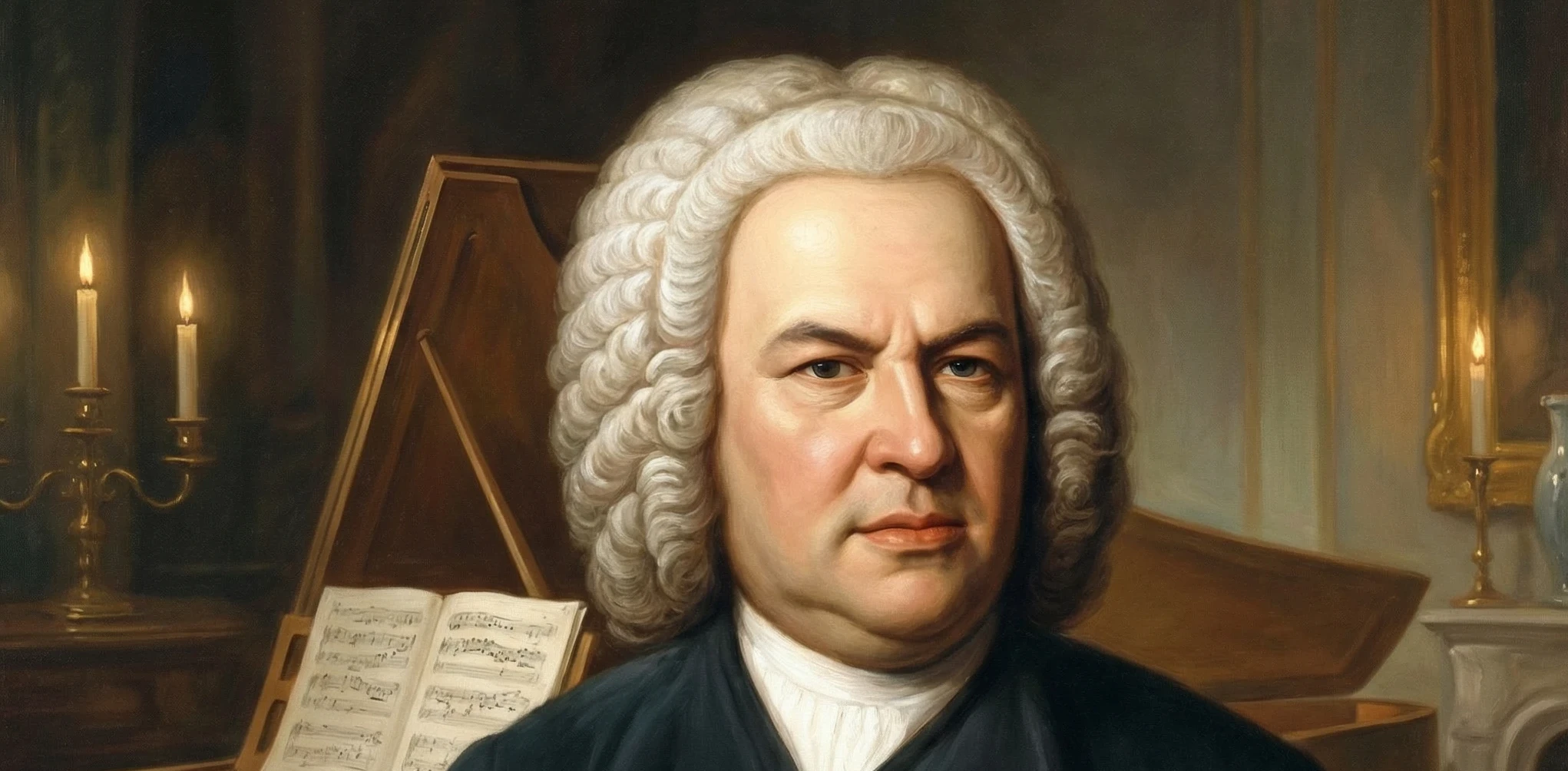
- Johann Sebastian Bach (1685–1750)
Bach is famous for crafting some of the most complex and beautiful music ever written. His pieces like the Brandenburg Concertos, Cello Suites, and Mass in B minor are staples. Bach’s music is known for its intricate layers and patterns, almost like musical puzzles. Whether you’re new to classical or not, his tunes have a way of sticking with you and offering new details with every listen.
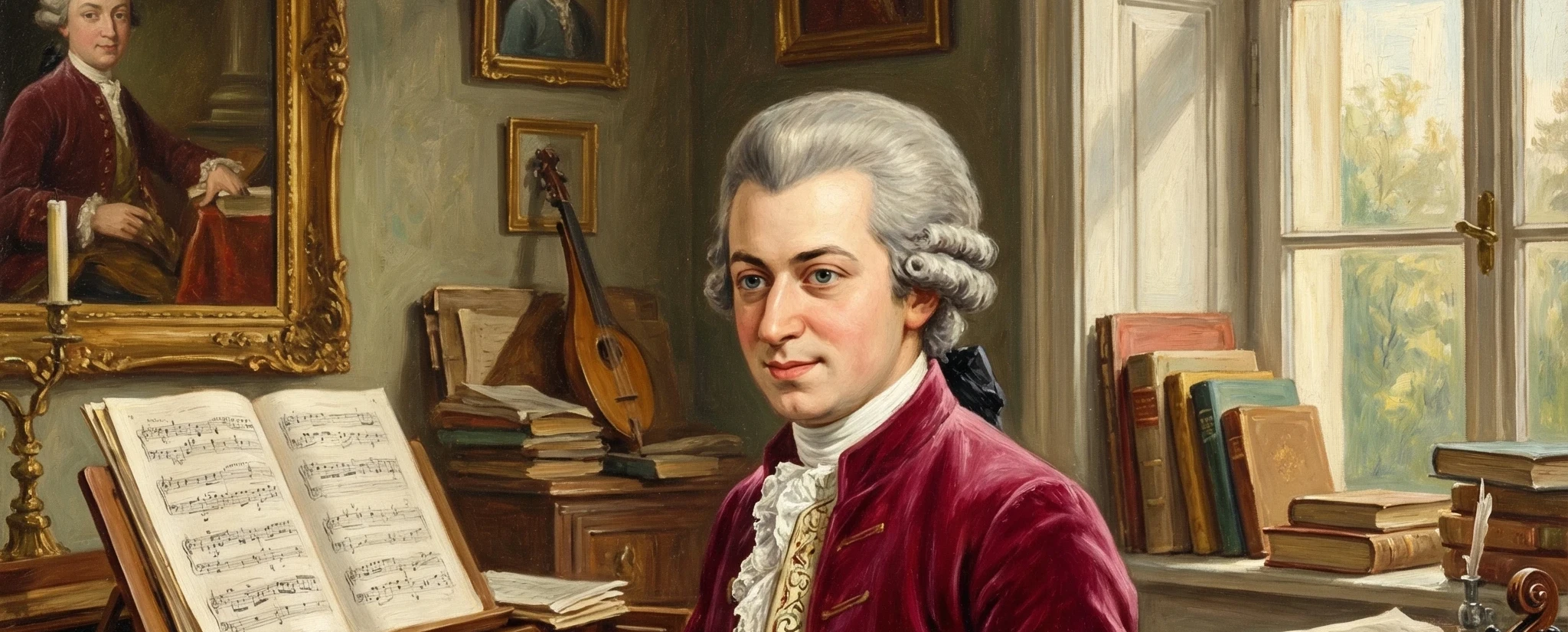 2. Wolfgang Amadeus Mozart (1756–1791)
Mozart is a true prodigy. He composed his first piece when he was just five years old. By the time he was a teenager, he’d written symphonies, operas, and chamber works that people still rave about. The feeling in works like Eine kleine Nachtmusik, Clarinet Concerto, and the Requiem is unmatched. His melodies are catchy but always fresh, and he’s a go-to if you want music to feel energized and playful. Even listening to shorter Mozart pieces can spark your interest in the broader world of classical music.
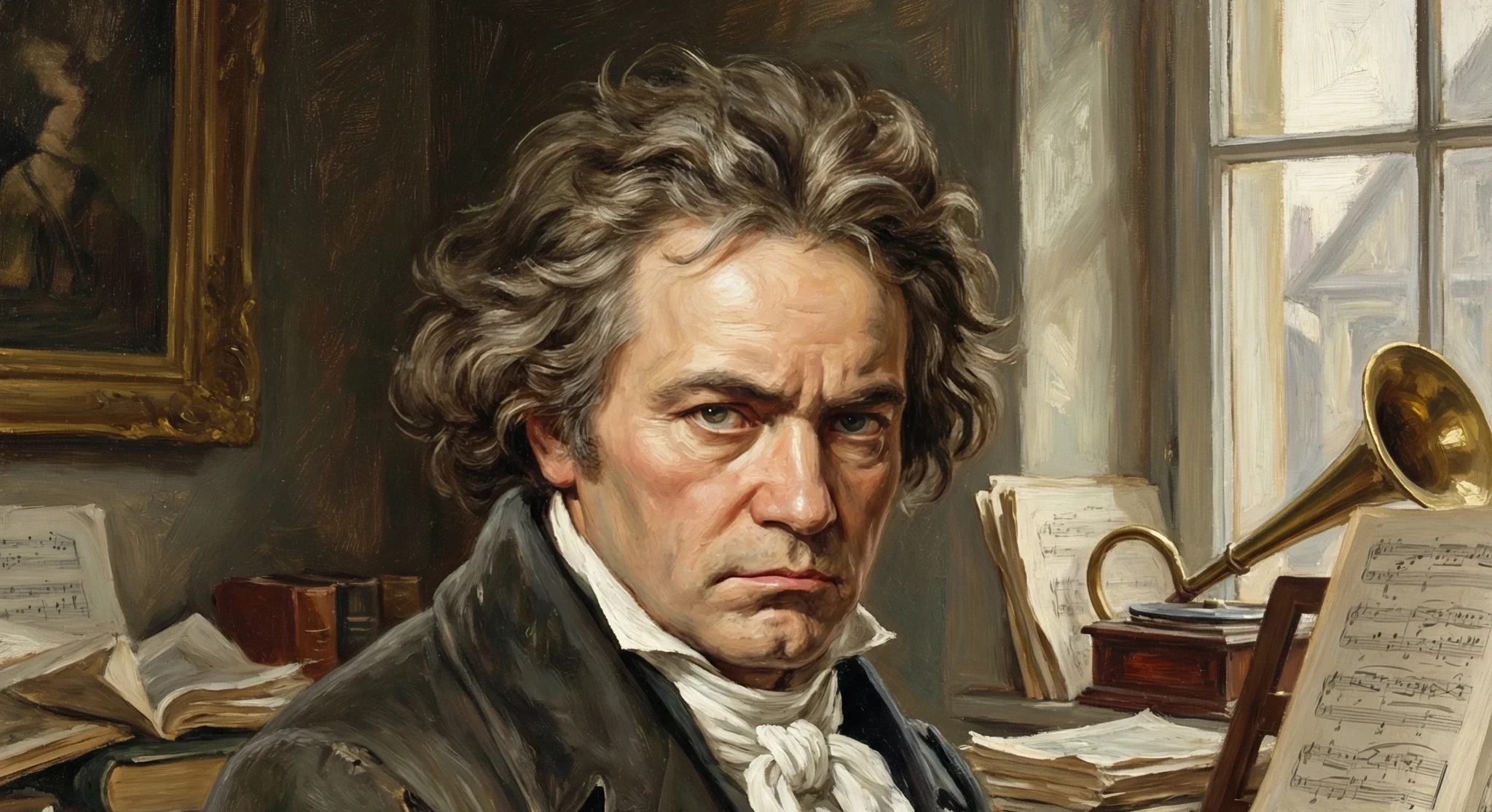 3. Ludwig van Beethoven (1770–1827)
Beethoven’s story hits home for anyone who’s ever faced tough challenges. Even after losing his hearing and dealing with a ton of health problems, he kept composing groundbreaking music. The Symphony No. 9 (“Ode to Joy”), Moonlight Sonata, and Fur Elise are just a few pieces that have become embedded in popular culture. His music is full of emotion and determination, which is pretty inspiring for anyone who has faced difficulties themselves.
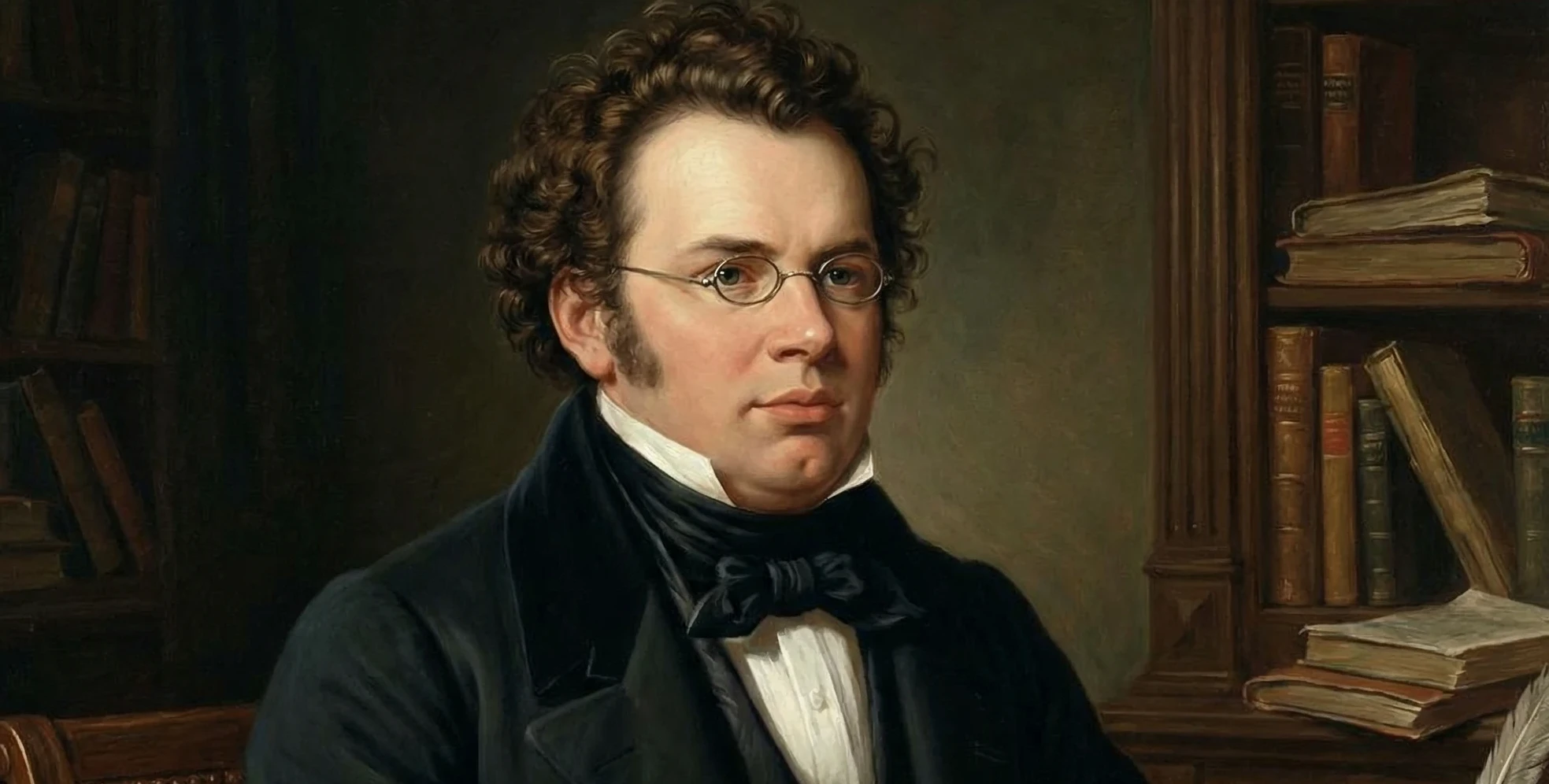
4. Franz Schubert (1797–1828)
Schubert packed an incredible amount of music into his short life, especially if you’re into songs (or “Lieder”). Works like Winterreise and his Unfinished Symphony really hit on deep feelings and storytelling. Schubert’s tunes paint a picture, and his music is especially relaxing when you want something soothing with just a hint of nostalgia. Among song composers, Schubert is a name to remember if you want both gentle melody and emotional depth.
5. Pyotr Ilyich Tchaikovsky (1840–1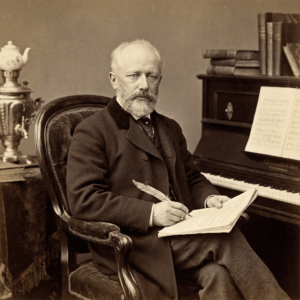 893)
893)
Tchaikovsky’s music bursts with passion and drama. Whether it’s the dreamy Swan Lake, the 1812 Overture with its booming cannons, or The Nutcracker, his pieces create a kind of magical atmosphere. His knack for melody also makes his music easy to get hooked on, even if you’re new to classical. Tchaikovsky’s ballets often form the soundtrack of childhood memories, especially during the holidays, so you might find his music oddly familiar.
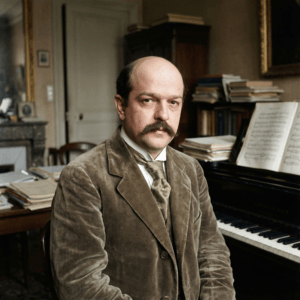
6. Claude Debussy (1862–1918)
If you want something a little more mellow or daydreamy, Debussy is the guy. His music, like Clair de Lune and Prelude to the Afternoon of a Faun, leans into impressionism, which means it often feels like it’s painting a mood or a scene more than telling a clear story. It’s perfect for reading, studying, or unwinding after a long day. Debussy manages to make each note shimmer, wrapping you in moods that float and drift.
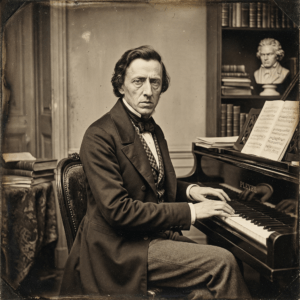
7. Frédéric Chopin (1810–1849)
Chopin’s piano pieces are legendary. He poured a ton of emotion into his Nocturnes, Etudes, and Polonaises, making them favorites for pianists everywhere. There’s something deeply personal about his style, as if he’s sharing feelings directly through the keys. Chopin is great when you want something expressive and beautifully detailed—perfect for quiet evenings or just reflecting on the day.

8. Antonio Vivaldi (1678–1741)
Vivaldi basically defined the Baroque concerto, and his best-known hit, The Four Seasons, pops up all over pop culture. Each section represents a different season, and you can hear everything from spring rain showers to a wild summer storm right in the music. His work is lively and feels timeless, proving that energetic classical music can be just as moving as any song on the radio.
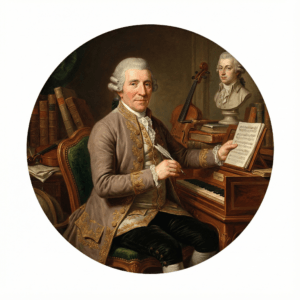
9. Joseph Haydn (1732–1809)
Haydn helped shape classical music as we know it, especially when it comes to symphonies and string quartets. He’s sometimes called the “Father of the Symphony.” His music, like the Surprise Symphony and The Creation, balances humor, creativity, and a bit of mischief. If you enjoy clever musical twists, Haydn is worth a listen; his music often plays with your expectations and gives little surprises throughout.
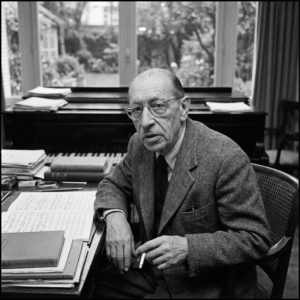
10. Igor Stravinsky (1882–1971)
Stravinsky shook up the classical world in the 20th century. His ballet The Rite of Spring caused a major stir at its premiere; people hardly knew what to make of it. Even now, his music feels bold, unpredictable, and super creative. For those looking for something other than the usual, Stravinsky’s music is always full of surprises, rhythm twists, and sounds you won’t find anywhere else.
Making the Most of Listening to Classical Music
Getting into classical doesn’t mean you have to sit in silence and absorb every note. Here are a few tips that have worked for me in making the music click:
- Start with Shorter Pieces: Big symphonies can get overwhelming, so I usually recommend starting out with shorter works like Debussy’s Clair de Lune or Chopin’s Nocturnes.
- Check Out Playlists: Streaming platforms have tons of “Intro to Classical” playlists that blend famous pieces from different composers. This keeps things interesting and helps you find your favorites without any pressure.
- Read About the Music: Learning a little backstory on a composer, like Beethoven’s fight with hearing loss or how Mozart composed at such a young age, makes the music feel even more impressive. Sometimes these stories add a whole new dimension to what you’re hearing.
- Mix It Up: Listen for different moods and times of day. Baroque music is great for focusing, romantic era music can set a chill vibe, and Russian composers know how to bring the drama. Exploring various eras keeps your listening experience fresh.
- Catch a Live Show: If you ever get the chance, seeing this music played live adds a totally new layer of excitement, even if you’ve heard the tunes a hundred times. Live performances let you feel the power and energy behind each note.
What Makes These Composers so Enduring?
Classical composers keep showing up on “must-listen” lists for a reason. They didn’t just write music, but built new ways of organizing sound, expressing human emotion, and inspiring others. For example, composers like Haydn and Beethoven switched up the whole structure of the symphony and sonata, and their ideas still shape music education and composition today (Britannica: Symphony).
Even modern movie soundtracks borrow from these giants. Think about John Williams using Wagnerian techniques for Star Wars or Howard Shore channeling Mahler’s lush orchestration in Lord of the Rings. The connections go on and on, so exploring these composers isn’t just about history. It’s about seeing how their music lives on in every corner of the arts and everyday life. You might even start picking up on familiar melodies in places you never expected, from commercials to your favorite TV dramas.
Popular Questions About Classical Composers
Which composer is the best for beginners?
Vivaldi and Mozart are solid starts. Vivaldi’s Four Seasons and Mozart’s Eine kleine Nachtmusik are both fun, catchy, and not too long, so you can get a taste without feeling overwhelmed. Jump into these well-known works and you’ll be hooked in no time.
How did Beethoven compose music after losing his hearing?
He relied on his inner sense for pitch and rhythm, even feeling vibrations by pressing his ear to his piano. Reading his letters shows just how determined he was, and his later music proves he didn’t let anything stop his creativity. The level of detail and energy in his late works is especially amazing.
Why is classical music still used in movies and TV?
Classical pieces add drama, tension, or beauty like few other genres. Directors often use the music because it’s so expressive and instantly recognizable; even a few seconds can set the perfect mood or make a scene unforgettable.
Who was the youngest composer among the top ten?
Mozart started composing at age five, a true child prodigy. His early works already showed the spark that would make him famous later, making him one of the most impressive talents of his era.
Further Resources and Listening Tips
To dig into classical music more deeply, streaming services like Spotify or Apple Music offer beginnerfriendly playlists, while resources like Classic FM and NPR’s Deceptive Cadence have loads of articles and podcasts about classical composers. Checking out these can help you get familiar with their biggest hits and the stories behind them. You’ll also stumble upon insights about musical history and style.
- Classic FM’s Hall of Fame: Crowdsourced favorite pieces voted by listeners, letting you spot what’s trending in the classical world.
- NPR Classical: Features guides, playlists, and composer in-depths to make your learning effortless and enjoyable.
- Public libraries: A hidden gem for CDs and sheet music if you’re curious to play the music yourself. Libraries sometimes host free concerts and talks, too!
Getting familiar with these composers connects you with centuries of creativity, and every piece you listen to feels like a conversation across time. There’s always something new to track down, so if you’re looking for fresh music or a new creative perspective, these composers definitely deliver. Wrapping up, take every chance to get into their works—you never know which piece will become your new favorite.