Jazz draws you in with just a few notes. For newcomers or those looking for a bit of context about the greats, knowing the top jazz musicians can really help you connect with the music. Jazz isn’t confined to one style; it covers so many sounds, from smooth melodies to wild improvisations. I’ve gathered some standout jazz musicians you should know, along with tips on how to dig deeper if you’re just starting out.
Why Certain Jazz Musicians Really Matter
Jazz didn’t just appear fully formed. It grew from a blend of African American rhythms, European harmonies, blues, and plenty of cultural mixing, exploding first in New Orleans in the early 1900s. As jazz changed, certain musicians kept pushing its boundaries, bringing in new styles, sounds, and techniques. When you know the key figures, it becomes way easier to spot how each jazz era and movement stands on its own.
Musicians like Louis Armstrong, Duke Ellington, and Billie Holiday did a lot more than just play their instruments. They transformed how people think about jazz and even what instruments are capable of. Today, streaming platforms and jazz festivals keep their influence alive, showing that truly good music always finds a home. Learning about these artists helps you recognize songs and opens a new way to listen to music in general.
Foundational Jazz Pioneers Everyone Should Know
The roots of jazz really come down to experimentation and self-expression. If you want to track down where jazz took its shape, focusing on a few pioneers is your best bet.

- Louis Armstrong: Famous for his raspy voice and bold trumpet playing, he helped bring jazz from local clubs to the global stage. Armstrong made the solo a staple of jazz, moving away from earlier group-focused playing.
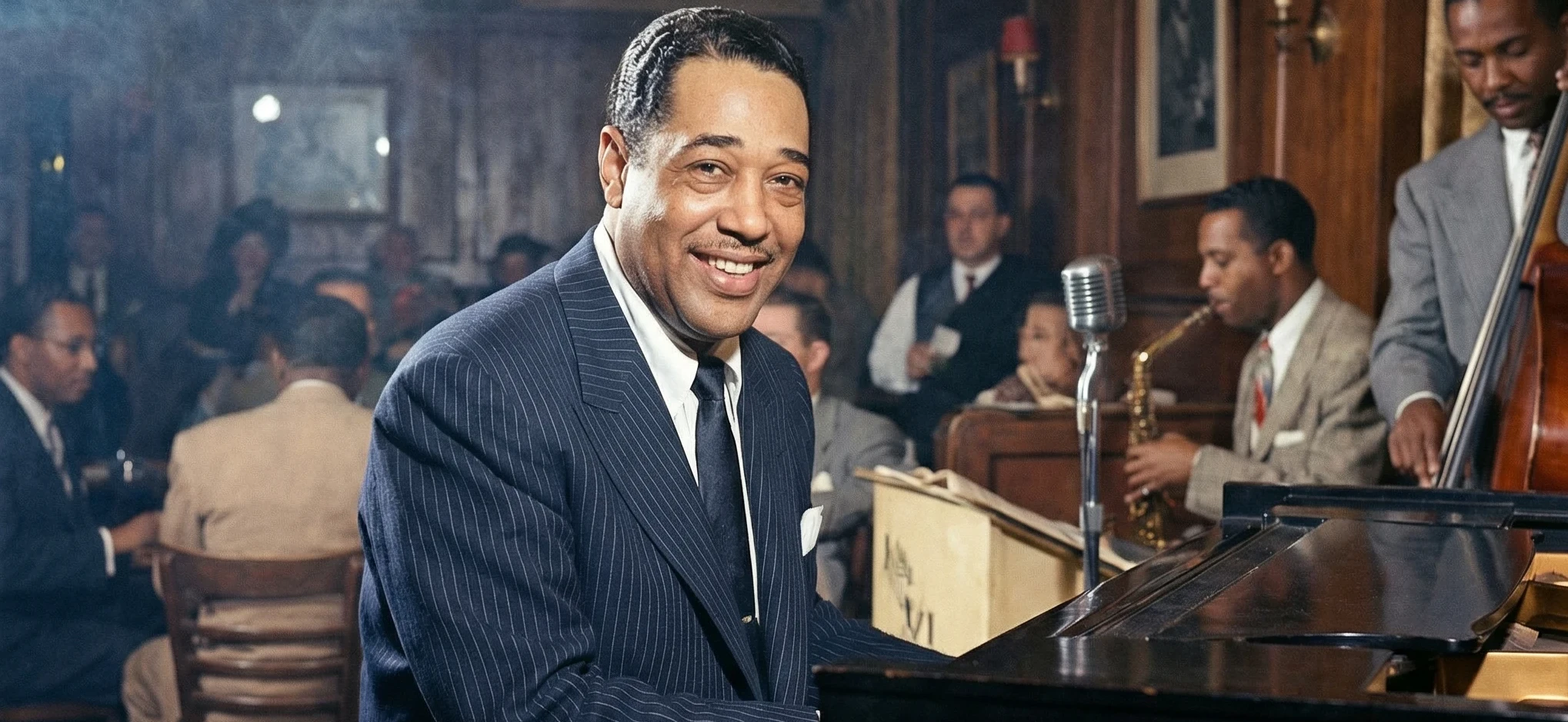
- Duke Ellington: Legendary composer and bandleader, Ellington shaped what jazz ensembles sound like, even decades later. His arrangements set the bar for jazz big bands.
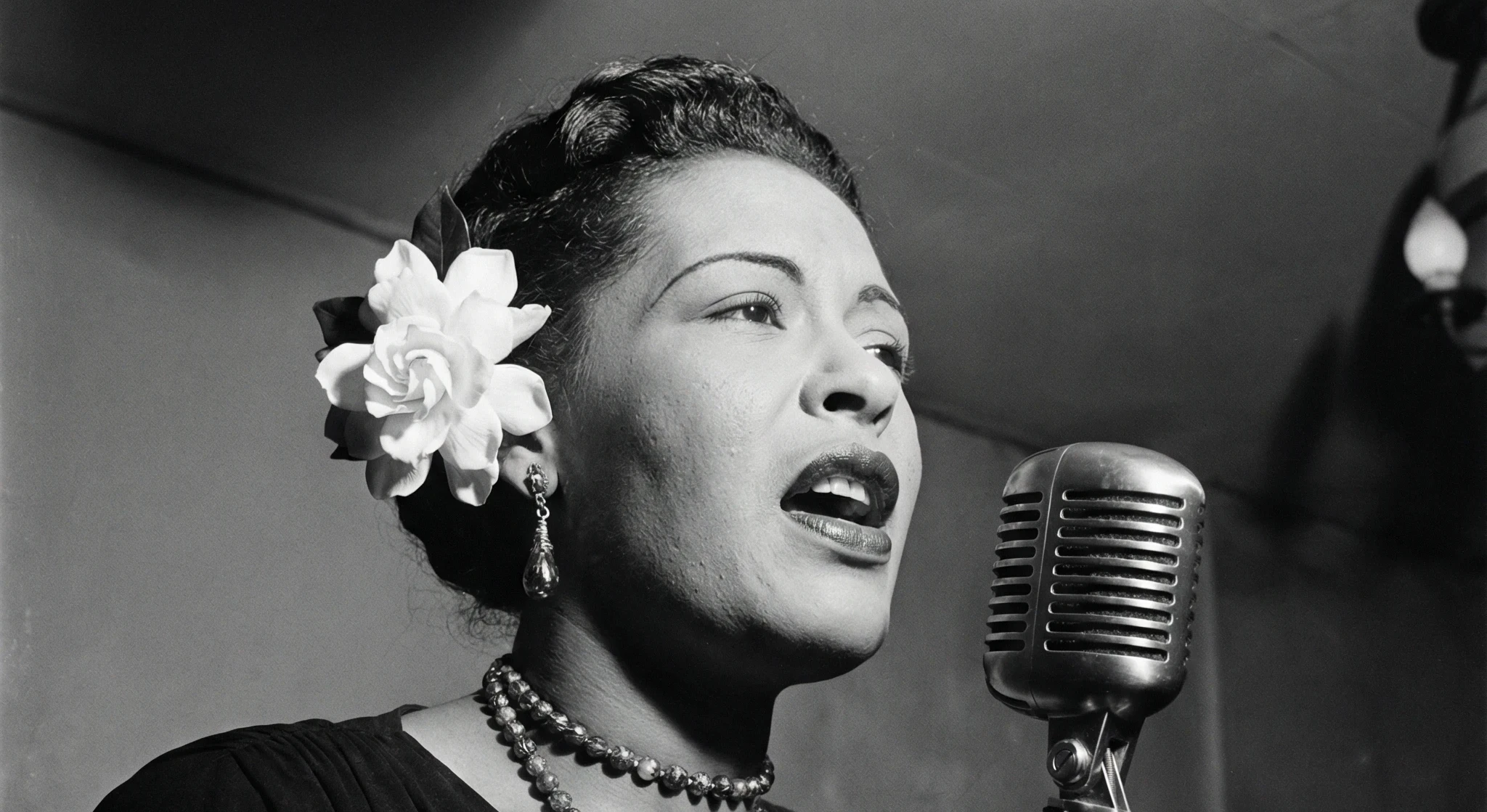
- Billie Holiday: With some of the most emotional vocals in jazz, Holiday brought intense storytelling to every song. Her personal style influenced many modern singers across genres.
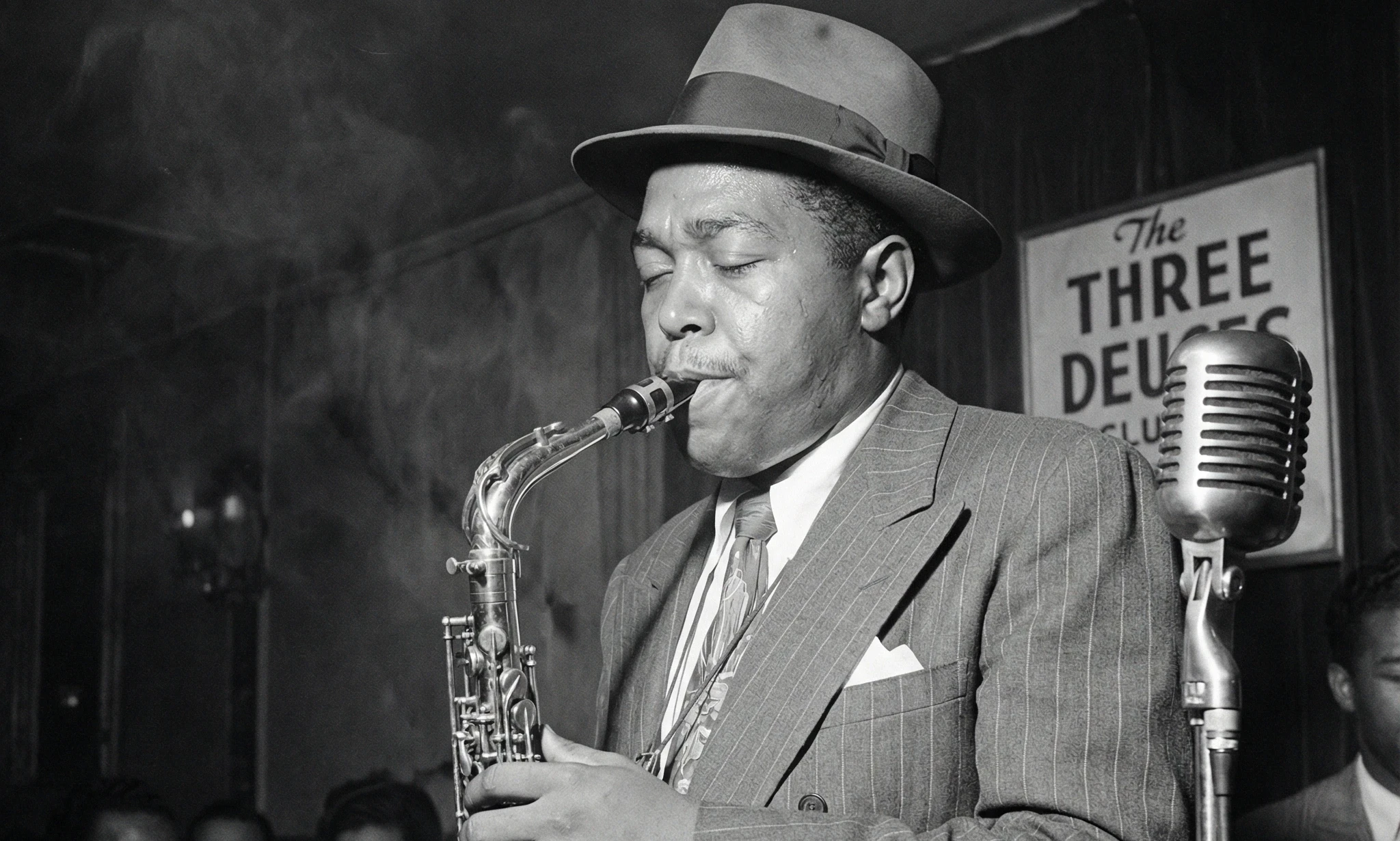
- Charlie Parker: Fans called him “Bird.” He played the altosax and was a major force in bebop. His lightning-fast improvisation set a whole new standard.
Getting a Handle on Different Jazz Styles and Era-Defining Artists
Jazz never sits still. Here’s a rundown of the main vibes and artists that define each style.
- Bebop (1940s): Marked by fast tempos and creative chord changes. Must-know names: Charlie Parker and Dizzy Gillespie.
- Cool Jazz (late 1940s–50s): Smoother and a bit more chilled than bebop. Dig into Miles Davis’s “Birth of the Cool” and Chet Baker.
- Hard Bop (1950s–60s): Takes the twists of bebop and mixes in blues and gospel influences. Check out Art Blakey and Horace Silver.
- Modal Jazz (late 1950s): Gives musicians more space to improvise by using fewer chords. Miles Davis and John Coltrane dominate here.
- Free Jazz (1960s): Breaks from all structure, relying on pure improvisation. Ornette Coleman and Cecil Taylor stand out in this era.
- Fusion (1970s–now): Melds jazz with rock, funk, and electronic sounds. Herbie Hancock and Chick Corea are go-to names in fusion.
New listeners might also want to check out Latin jazz (think Dizzy Gillespie teaming up with Chano Pozo) or contemporary jazz that throws in influences from hip-hop and world music. This constant mixing in of different cultures and sounds keeps jazz alive and trending with each generation.
Quick Guide: Five Jazz Musicians You Really Should Check Out
- Louis Armstrong: Listen to “What a Wonderful World” and “West End Blues.” His vocals and trumpet solos stick with you long after.
- Miles Davis: Albums like “Kind of Blue” and “Bitches Brew” show his knack for reinventing himself and pushing jazz into new places.
- John Coltrane: Known for his deep, passionate improvising—check out “A Love Supreme.”
- Ella Fitzgerald: Called the “First Lady of Song,” with a huge vocal range. Starting with her “Song Book” albums is always a good move.
- Thelonious Monk: His offbeat, playful piano work changed jazz forever, especially tunes like “Round Midnight.”
If you want more, artists like Sarah Vaughan, Charles Mingus, or modern musicians such as Esperanza Spalding all bring something fresh to the mix. Jazz is a long adventure, and every musician has their own voice in it.
Things to Think About When Exploring Jazz Musicians
You might bump into a few common roadblocks as you get into jazz or try to explore beyond just the most famous names.
- Sheer Volume of Material: There are thousands of jazz records. Start by picking an artist or style you like, and gradually branch out.
- Old Recordings: Early jazz albums sometimes have hiss or low sound quality. Streaming platforms often have cleaned-up versions that sound a lot better.
- Instrumental vs. Vocal: Some listeners prefer singers, others want to get lost in solos. Give both sides a try to see what grabs you most.
- Live vs. Studio: Jazz comes alive in performance. Studio albums are polished, but live recordings have that energetic spark. Sample both if possible.
Don’t worry if you feel lost at first; even seasoned listeners discover new favorites all the time. Jazz is all about personal exploration. Sometimes an unfamiliar tune can become the most eye-catching thing you’ll stumble upon.
Jazz and Its Connection to Culture
Jazz isn’t just sound—it’s a whole social force. During the Harlem Renaissance, musicians, poets, and artists in general made jazz the heartbeat of painting, literature, and activism. Musicians often spoke up on civil rights and identity, tackling important issues through their music. This blend of the personal and social gives jazz a real place in our cultural story, not just our playlists.
Where to Start Listening
Getting started can feel overwhelming, but you don’t need to know everything at once. Begin with playlists, classic albums, or a friend’s top picks. Going to local jazz clubs or watching livestreams is an easy way to be in the middle of jazz’s main feature, which is live creativity and improvisation.
- Spotify and Apple Music: Both streaming services have great jazz playlists and artist pages. Try “Jazz Classics” or “This Is: John Coltrane.”
- NPR Jazz – Features stories and deep dives on both old and new musicians.
- Jazz at Lincoln Center – Excellent for concert videos and artist spotlights.
For extra context, you might dig into jazz documentaries like “Ken Burns Jazz,” which walks you through its key moments and players. Or find YouTube channels that break down specific jazz solos, so you can spot what makes them tick and why certain musicians are eye-catching to fans and fellow artists.
Frequently Asked Questions About Jazz Musicians
Question: I’m new to jazz. Where should I start?
Answer: Louis Armstrong and Ella Fitzgerald are both excellent if you want vocals. For pure instrumentals, check out Miles Davis’s “Kind of Blue.” Streaming services have lots of intro playlists you can sample as well.
Question: What’s the difference between bebop and cool jazz?
Answer: Bebop is more frantic, with lots of solos and surprising rhythms. Cool jazz is laid-back and smooth, focusing on easygoing arrangements. Try both and see which matches your style or mood.
Question: Is live jazz worth seeing even if I don’t know much about the musicians?
Answer: Definitely. Jazz is about that in-the-moment feeling, and you’ll get drawn in by the improvisation and energy of a live show—no prior knowledge needed.
Jazz Musicians and Their Influence Today
Jazz keeps influencing every style, from hip-hop and pop to rock and dance music. Contemporary jazz stars like Kamasi Washington and Esperanza Spalding take classic jazz vibes and mix them up with new ideas, drawing in younger fans from outside traditional jazz circles. Their work proves that the creative momentum started by Armstrong, Davis, and the rest isn’t slowing down.
Checking out jazz musicians isn’t just about listing off names. Every artist unlocks a different scene in the big world of music. Jump in wherever it feels right—there’s no wrong turn when seeing what jazz has to offer. Go at your own pace and stumble upon what resonates. That’s how jazz stays fresh for every new listener.