
If you’ve ever rocked out to KISS and noticed familiar sounds in other bands, you’re definitely not alone. KISS carved out their own space in rock history with their simple but powerful musical techniques, and it’s no surprise their influence has reached far and wide. Plenty of groups, from small garage bands to major stadium acts, have borrowed, adapted, or put their own twist on the KISS approach. In this article, I’ll guide you through how KISS’s musical techniques have found new life in all kinds of music scenes, making an impact far beyond their own records.
What Makes KISS’s Techniques So Adaptable?
KISS got their start in the 1970s, a decade loaded with flashy guitar solos and anthems that everyone wanted to sing along to. Instead of going ultra complicated, they used riffs, catchy choruses, and repetitive hooks that pretty much anyone could grab onto. Their formula keeps things simple while still packing a punch, especially with power chords, driving rhythms, and singalong vocals. This kind of simplicity is helpful if you’re a newer band or if you’re out to get a crowd fired up quickly.
Something that stands out is how KISS tunes stick to focused song structures, rarely venturing off into endless solos or odd time signatures. The goal was always to connect and entertain, rather than just show off technical chops. That approach is great for other bands looking to make a direct impact with audiences. Plus, their knack for combining hard rock, glam, and a bit of pop helps their tricks blend easily across genres. It’s no wonder so many artists still make use of these methods decades later, proving how lasting a simple, energetic foundation can be in music.
Core Techniques Used By KISS
KISS songs often stick to a few core musical techniques that shape their signature sound. These might seem basic on the surface, but they’re extremely effective for stage shows and records alike. Here are the main techniques that bands keep borrowing or building on:
- Power Chords: These are simple, two or three note chords that sound chunky and bold, making them perfect for high energy songs. KISS songs like “Rock and Roll All Nite” are built on this technique.
- Repetitive, Anthemic Choruses: KISS went big on huge, easy-to-chant choruses. Tracks like “Shout It Out Loud” show how well this works when you want a crowd to sing along.
- Distinctive Guitar Riffs: Simple but instantly recognizable riffs, such as the one in “Detroit Rock City,” are a main reason their music sticks in your head.
- Vocals With Call and Response: Their arrangements often feature vocal parts where the band or the crowd shouts back at the lead singer. This trick often appears in live bands that want to get audiences involved and fired up.
By blending these techniques, KISS created tracks that are easy to crank up and sing along with, whether you play guitar or just love some airguitar. That’s a big reason their sound keeps living on through other artists and genres—even those outside of classic rock.
Bands That Borrowed the KISS Playbook
KISS didn’t create every trick in their book, but their spin on these elements really caught on. Over the years, many bands have used pieces of their musical approach to build their own sound, whether through full-on tribute or subtle references. Here are a few types of groups where you’ll easily spot this influence:
- Glam Metal Bands: Groups like Mötley Crüe and Poison took the power chords, catchy choruses, and stage theatrics and made it their thing. Their biggest songs often crank up the same driving riffs and anthemic hooks found in classic KISS tracks.
- Punk and Garage Groups: Punk bands sometimes use that energetic, straightforward riff style KISS popularized, but with a faster pace. Think early Ramones or even The Offspring; it’s about straightforward, no-nonsense rock that hits you right away.
- Modern Hard Rock Acts: Bands such as The Darkness and Steel Panther use shout-along choruses and flamboyant guitar riffs that fit with KISS’s party-rock vibe, updating it for today’s fans.
- Pop and Alternative Crossovers: Artists like Fall Out Boy or Weezer sometimes base their songs around punchy, repetitive choruses or slick riffs reminiscent of the KISS blueprint—perfect for getting a big crowd response.
Whether it’s through energetic guitar breaks or hands-in-the-air choruses, the KISS sound pops up in every corner of the music world, proving just how far these ideas have spread.
How Bands Tweak KISS’s Techniques
Borrowing is one thing, but most bands like to put their own stamp on everything. When artists borrow from KISS, they don’t just copy—they often mix and blend these techniques with their own signature style. For example, a band might focus on the power chord riffs but introduce more modern effects pedals for a unique sound. Others might use shout-along choruses but switch up harmonies or stack on layers of vocals to add depth.
Sometimes you’ll also find bands mixing in extra genres, like adding a funk beat or electronic textures while keeping the basic KISS blueprint. Bringing personal twists to these tools helps bands avoid sounding like copycats, letting them use the KISS foundation to build something uniquely their own. This creative process is part of what keeps rock and pop evolving, as each generation adds new flavors—even when the roots are classic.
Why KISS’s Sound Works for So Many Bands
There’s a real reason KISS’s methods keep getting recycled: they just work. Here’s how these techniques fit different situations and genres to help bands succeed:
- Live Shows: The punchy power chords and big choruses are perfect for getting a crowd involved immediately. That instant energy works for any setting, whether you’re in a giant arena or a local club.
- Recording: Simple riffs and repetitive structures are easier and quicker to record, allowing bands to focus on vibe and delivery. Modern production can add new textures to these familiar elements, making each song feel fresh even when the core is classic.
- Audience Connection: KISS-style methods invite people to get loud and participate, which turns a simple concert into an interactive experience fans remember.
Basically, these tricks get the job done anytime you want a memorable, energetic show or recording, no matter the style or venue.
Challenges Bands Face When Using KISS’s Methods
While borrowing from KISS brings a lot of advantages, it isn’t always smooth sailing. Bands run into some common problems when leaning too hard on these methods. Here are a few challenges and ways to handle them:
- Avoiding Sounding Generic: Power chords and repetitive hooks are classics, but if every song uses them the same old way, the freshness wears off fast. Mixing up your instrumentation and adding your own flair can stop things from getting stale.
- Balancing Simplicity and Depth: Keeping things simple is good, but you don’t want to write songs that feel empty. Being intentional with lyrics and arrangements adds layers that keep listeners interested.
- Standing Out: If a band leans too hard on the KISS toolkit, they risk being dismissed as just another tribute act. Adding new twists—unusual effects, unexpected instruments, or creative song themes—helps set them apart in a crowded field.
Knowing about these challenges makes it easier to get all the benefits of KISS’s approaches while steering clear of the weak spots.
Cool Features for Bands Inspired by KISS
KISS’s influence isn’t just about the music—it’s about the total experience. Many bands take cues from their visual flair and performance techniques, not just their musical tricks:
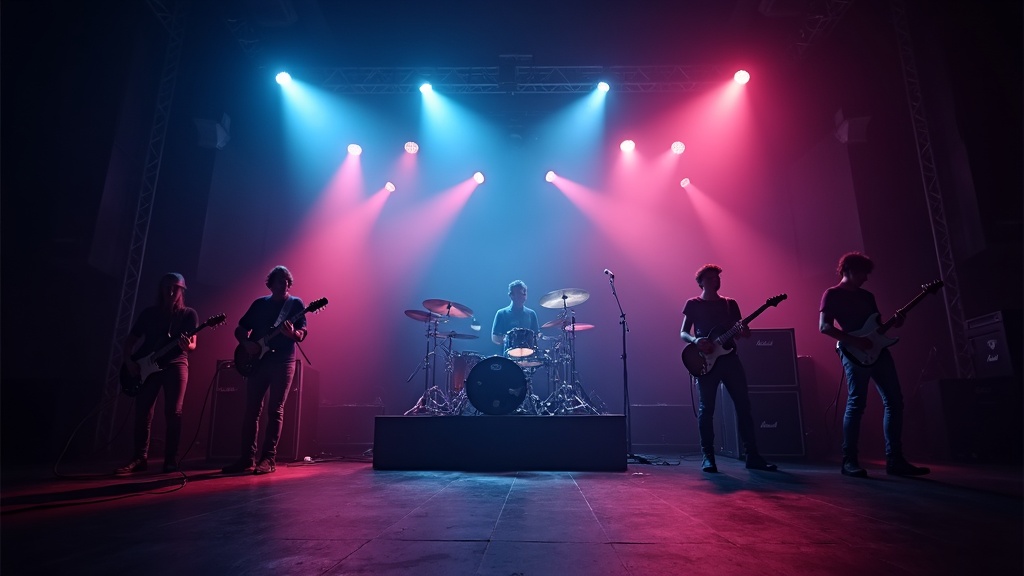
- Stage Effects and Outfits: Flashy lights, fire, smoke machines, and bold costumes turn any gig into an event. That show-stopping factor is a big part of KISS’s legacy and something many current acts still draw on.
- Audience Participation: Including call and response moments or big singalong sections turns the audience into part of the show, a standard move for any group aiming to create that extra excitement.
- Simple, Memorable Visuals: Using bold backdrops, dramatic entrances, or strong band branding helps echo KISS’s larger than life style, making a lasting impression without needing complex stage setups.
Using inspiration from the entire KISS package—music, visuals, and crowd engagement—lets bands set themselves apart and give fans something worth remembering.
Frequently Asked Questions
How can new bands successfully use KISS’s musical techniques?
When starting out, aim for simple, catchy riffs and those big, chantable choruses. Don’t be afraid to experiment and make engaging the crowd a top priority—connection matters just as much as musicianship.
What’s one big mistake to avoid when echoing the KISS style?
It’s super easy to get stuck making every song sound the same. Make sure to experiment with different structures and mix up your arrangements to avoid boredom.
Are KISS’s techniques useful in genres besides rock?
Absolutely. Their simple, energetic approach can be found in pop, punk, hard rock, indie, and even some electronic music. You can add that same energy and crowd engagement to almost any musical style.
Wrapping Up: The Ongoing KISS Impact
KISS left a mark on music that’s super easy to spot, especially if you listen for those power chords, huge choruses, and theatrical arrangements. The simplicity of their approach makes it incredibly adaptable; practically any band can grab those techniques and tweak them to fit their own goals and flavor. When artists put their own spin on the KISS blueprint, everyone wins—songwriters get a blueprint that works, and fans get crowd-pleasing songs to sing along to at any gig.
The next time you check out a new band, keep your ears open for that KISS influence. You might just stumble upon a piece of rock history hiding in plain sight, set free yet again by a fresh generation of musicians.