
Symphonic metal manages to strike a balance between the power of heavy metal and the sweeping atmosphere of classical music. I think it’s a seriously cool genre because it merges orchestral arrangements with the urgency of distorted guitars and pounding drums. This musical combination brings out something dramatic, cinematic, and totally unique for metal fans and classical music lovers alike.
How Symphonic Metal Came Together
Symphonic metal grew out of a desire to do something bigger than traditional heavy metal. Bands started flirting with keyboards and pseudo-orchestral sections in the late ‘80s and early ‘90s. As digital tech improved and more musicians got interested in classical influences, symphonic elements became a regular feature in metal albums. Some bands, especially in Europe, took orchestral music seriously enough to hire string players, choir members, and even full symphonies for their records and live shows.
Groups like Nightwish, Within Temptation, Epica, and Therion didn’t just sprinkle in a few string sounds; they set out to create something closer to movie soundtracks mixed with headbanging riffs. The surge of interest in fantasy, mythology, and epic storytelling fed right into this dramatic mashup. Just like that, a whole new metal subgenre took shape, and fans worldwide quickly caught on.
Key Elements That Define Symphonic Metal
At the heart of symphonic metal is the way it layers different instruments and musical traditions. Both sides—classical and metal—come through loud and clear, but they don’t fight for attention. Instead, they create something that feels much bigger and more varied than either on its own.
- Orchestral Arrangements: Real or synthesized strings, brass, choirs, and woodwinds show up throughout, giving songs that cinematic feeling.
- Metal Instrumentation: Expect crunchy electric guitars, driving bass, doublekick drums, and both clean and harsh vocals.
- Epic Song Structures: Songs often run longer than typical rock or metal tracks. There are extended intros, breakdowns, bridges, and even fullon instrumental passages.
- Dynamic Range: Soft, delicate violin sections blend with powerful guitar solos. Some songs build gradually, others swing quickly between gentle and intense parts.
The magic happens when these elements feel seamlessly blended; a violin plays alongside a distorted guitar riff, or a choir rises behind a wailing lead singer. The combination is seriously engaging and full of surprises.
Bringing Classical Music Into Metal: Instruments & Techniques
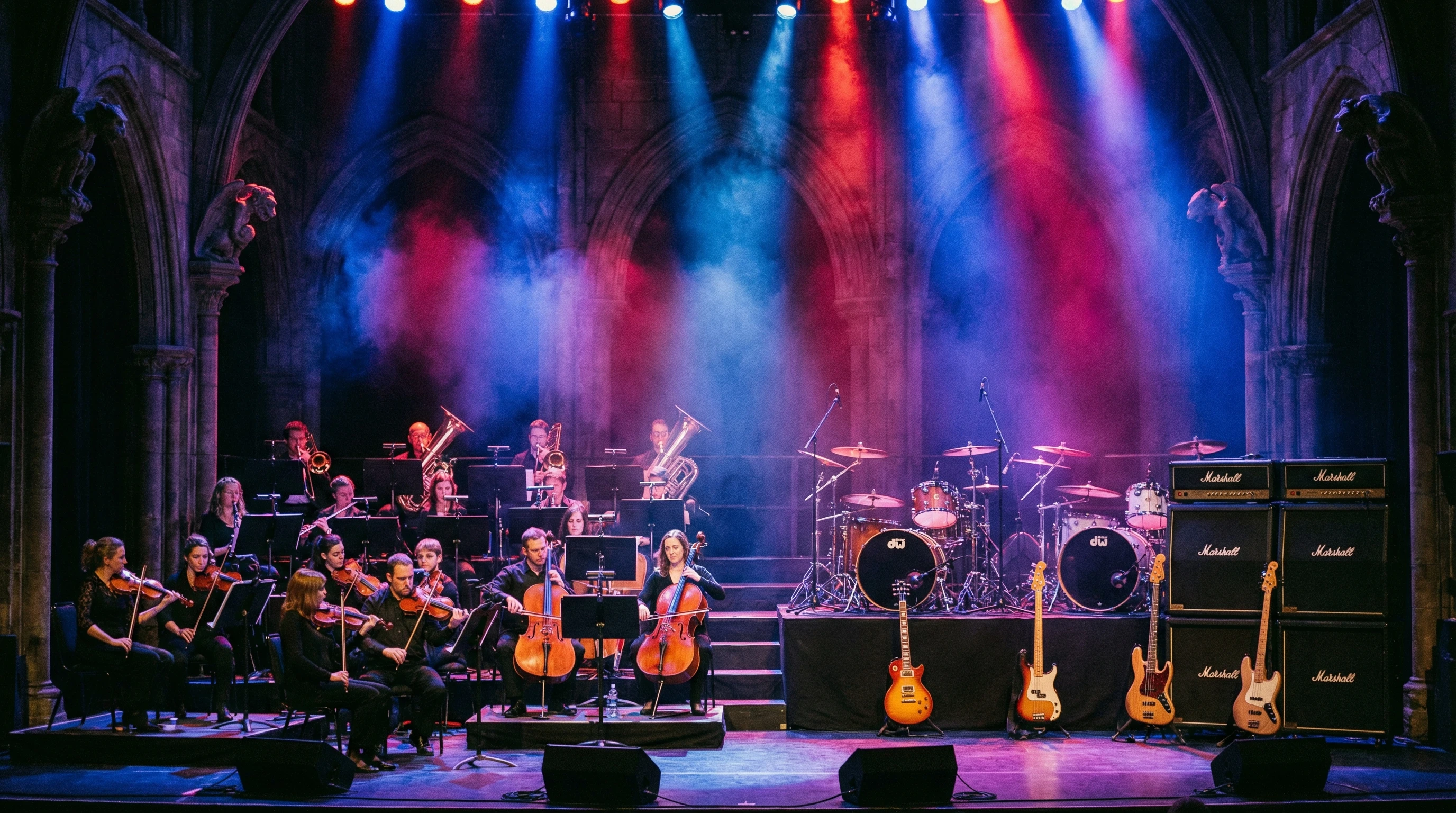
The most obvious connection to classical music is the use of orchestral instruments. Some symphonic metal bands rely on highend synthesizers or samples to create the sound of a whole orchestra. Others, particularly for special live performances or big studio albums, hire actual string and brass players. Either way, here’s what you’ll hear a lot of:
- Strings: Violins, violas, cellos, and basses bring warmth and drama.
- Woodwinds & Brass: Flutes, clarinets, trumpets, and trombones add color and punch.
- Choirs: Full choir sections can really thicken up a chorus or turn a breakdown into something memorable.
Arrangements tend to echo the style of classical composers; think big, swerving melodies, complex harmonies, and shifting moods. I’ve noticed that some albums even feature solo sections or interludes that sound straight out of a symphony hall.
Metal Roots: What Heavy Metal Adds to the Mix
What makes symphonic metal anything more than rock with violins is the backbone of true metal energy. Heavy, distorted guitars provide the foundation, and most drummers in this genre come from a metal or rock background. Here’s where the classic metal trademarks show up:
- Power Chords & Riffs: Guitarists lock down the drive of each song with chugging riffs and soaring leads.
- Doublekick Drumming: Fast, precise footwork adds urgency and heft. It’s super effective when matched up with orchestral hits.
- Vocal Variety: Some bands use both clean, operatic vocals and growls or screams. Think of it as the human side of this musical drama, moving between beauty and aggression.
The technical skill required for both the metal and classical components makes for performances that can be jawdropping, especially when you see them live. Many musicians in symphonic metal bands are highly trained, and you can often spot influences from classical composers or even operatic singing styles. This cross pollination of expertise lifts the musicality to a new level and draws in listeners who might not typically be interested in metal or symphonic music on its own.
How Symphonic Metal Bands Write & Arrange Their Music
Writing a symphonic metal track is a bit like building a castle out of two totally different sets of blocks. I’ve found that most songwriters in this genre map things out more carefully than the average metal band. Here’s what’s unique about their process compared to standard metal songwriting:
- Start with Core Riffs & Melodies: Usually kicks off on piano, guitar, or both, to establish a central theme.
- Orchestral Layering: Composers add string, brass, or woodwind arrangements around the core melody, making sure these sections complement, not drown, the metal foundation.
- Dynamic Planning: They pay close attention to where songs get loud, soft, or switch up into something totally new. Good use of silence or solo moments heightens the contrast.
- Choir & Vocal Parts: Placement of harmonies, solo lines, or choral bursts amps up the emotion and grandeur of the track.
Song structure can be pretty experimental; some tracks use verse chorus verse layouts, while others unfold in long, multipart sections like a classical suite. The best tracks feel like an adventure, with clear rises and falls in intensity all the way through.
Challenges: Mixing Styles Without Losing Either Side
One of the trickier parts of making symphonic metal is getting the mix right. If the orchestration gets too heavy, the guitars and drums can sound muddy or get lost. If the metal side gets too loud, the intricate classical parts won’t stand out. Here’s how bands often work around these problems:
- Smart Use of Synths: Synthetic orchestration helps simulate a full orchestra without huge studio costs. The key is layering these parts so nothing sounds fake or too thin.
- Studio Production Tricks: Mixing engineers work hard to make sure guitars and drums don’t overpower strings or choir vocals. EQ, panning, and creative effects like reverb often play a big role.
- Arranging for Space: Not everything plays all at once. Symphonic bands often let sections drop away, just leaving piano or strings, before crashing back in with full metal intensity.
It’s a balancing act, and when bands pull it off, the result is pretty epic. The clarity and detail in the music can be breathtaking, showing just how much care goes into making this genre sound right, whether you’re listening to a studio album at home or catching a live show.
What Sets Symphonic Metal Apart in the Music World
Symphonic metal stands out as one of the most ambitious genres out there. You get the visceral energy of heavy metal and the emotional sweep of symphonic music, all in one package.
- Broader Appeal: Fans of both classical and metal find common ground here. It’s dramatic enough for opera enthusiasts and explosive enough for moshpit regulars.
- Visuals: Album covers, live shows, and music videos tend to look really theatrical; think gothic cathedrals, medieval costumes, lots of fog and colored lights.
- Storytelling: Lyrics in symphonic metal often draw from mythology, literature, or fantasy. Stories play out over the course of a song, or sometimes across entire albums.
I’m always amazed at how many sub scenes and fan communities have formed around this genre. There are festivals, online forums, and even entire symphonic metal opera projects dedicated to pushing these creative ideas further. The visual spectacle of many symphonic metal concerts, with elaborate set designs and costumes, pairs beautifully with the music’s grandeur, making live experiences unforgettable.
Quick Guide: How to Spot Symphonic Metal
- Listen for Orchestral Sounds: If you hear real (or convincing) strings and choir sections plus metal riffs, you’re probably in symphonic metal territory.
- Vocals with Range: Vocalists often switch between clean, liturgical singing and more traditional metal stylings.
- Theatrical Vibe: If the band’s look or live show feels like a cross between a rock concert and a stage play, you’re likely seeing symphonic metal in action.
It’s also worth noting how intricate the arrangements can get compared to standard metal. You might spot wild time signature changes and sweeping key shifts. These are subtle, yet they contribute a lot to the epic feel that characterizes symphonic metal.
Things to Watch for If You Want to Get Into It
- Production Quality: Wellmixed albums tend to pull off the orchestral/metal blend the best. It’s worth exploring different bands to hear what you like.
- Live Shows: Live performances can be even more exciting than the albums, especially when actual orchestral musicians are on stage.
- Lyrics & Themes: This genre often gets deep into fantasy, historical, or philosophical topics. If you love stories, there’s a lot to check out.
- Band Lineups: Some groups feature classically trained members or even guest composers, which brings a deeper level of musicality to the writing and performance.
Classic Albums Worth Checking Out
- Nightwish – “Once”
- Epica – “The Divine Conspiracy”
- Within Temptation – “The Silent Force”
- Therion – “Theli”
These albums offer a great jumping-off point for exploring what symphonic metal can do. Each is renowned not just for songwriting, but also for production and creative vision; you’ll find grand choruses, memorable riffs, and plenty of orchestral moments. Other groups to check out include Delain, Kamelot, and Xandria—these bands each bring their own spin on the genre’s formula.
FAQ: Symphonic Metal Basics
Question: Can you enjoy symphonic metal without knowing much about metal or classical music?
Answer: Absolutely. The melodies and drama pull in all sorts of new listeners. You don’t need a background in either genre; just come ready for something different and bold.
Question: Do bands perform with actual orchestras live?
Answer: Many top tier bands have staged concerts with real orchestras and choirs for special events or big tours. Most regular shows stick with keyboards or backing tracks because of logistics, but when the full orchestra appears, it’s unforgettable.
Question: Are there subgenres within symphonic metal?
Answer: Yes. Some bands lean more power metal, others go darker and mix in gothic or death metal. There’s a range from uplifting and melodic to heavy and aggressive, so there’s something for just about every taste.
Getting Into Symphonic Metal
Checking out symphonic metal is pretty easy thanks to streaming services and YouTube. Look up any of the bands mentioned, and you’ll hear quickly why this genre gets talked about so much. It’s a genre that packs a punch and tugs at your heartstrings all at once. Even if you’re new to metal or classical music, there’s always something surprising to track down here. If you get hooked, don’t forget to check out online communities and local shows for a deeper dive into this eye catching, cinematic music world.