
KISS is one of those bands that feels bigger than any single genre. Known for their over-the-top live shows, theatrical makeup, and singalong anthems, KISS has always leaned into pushing boundaries. But what often gets overlooked is how their approach helped spark a whole wave of musical crossovers. Band members Gene Simmons, Paul Stanley, Ace Frehley, and Peter Criss each brought a slightly different musical energy, and KISS ended up playing a bigger part in connecting worlds like rock, pop, rap, and more than most folks realize.
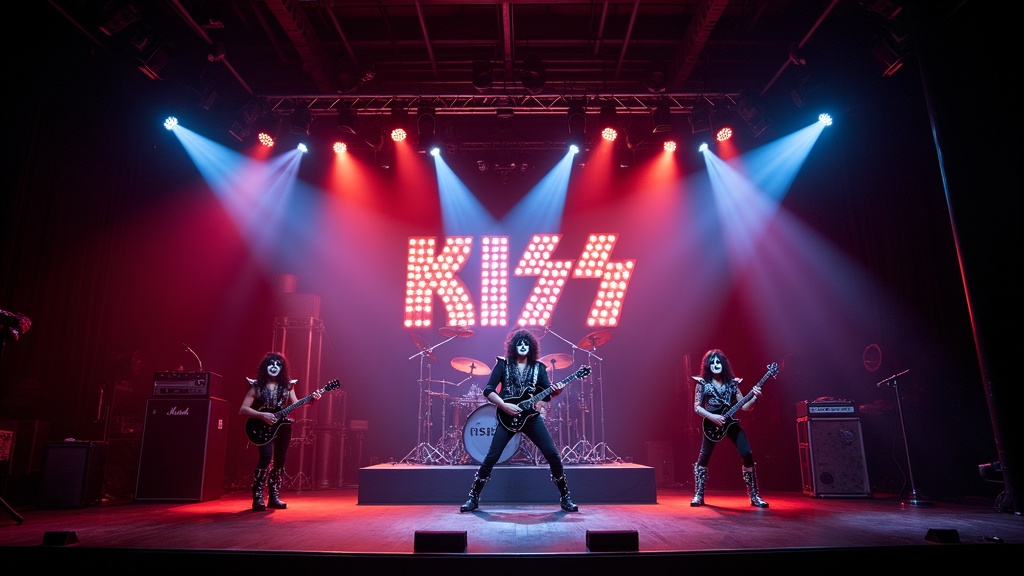
The Explosive Rise of KISS and Their Musical Reach
KISS hit the scene in the early 1970s, just as music genres were starting to really splinter into their own scenes. While they came out of the hard rock world, their style borrowed bits from glam, punk, and even classic pop melodies. They weren’t afraid to switch things up. KISS’s early albums brought together a fanbase that included classic rock purists, party-loving teens, and even people who usually didn’t care for loud guitars but loved a good show. Their crowd was always buzzing with energy, but also with different musical tastes.
This mix and match approach showed other musicians it was possible to swap influences, even in a time when genre “gatekeeping” was pretty strong. By the late ’70s, you started to see KISS dropping disco grooves (‘I Was Made For Lovin’ You’ comes to mind) and inviting all kinds of artists to jam with them. They opened a door for the idea that collaboration across genres was not only possible but pretty exciting.
KISS’s Influence on Genre Blending in the ’70s and ’80s
The late ’70s were a turning point for music fusion. Disco was clashing with rock, punk was coming up fast, and pop kept evolving. KISS was right in the middle of this sonic chaos. When the band released ‘Dynasty’ in 1979 and dropped the dance inspired track ‘I Was Made For Lovin’ You,’ some hardcore fans were confused, but the song exploded on the charts, pulling rock and disco fans onto the same dance floor. It sounded fresh, and it was fun.
For my part, hearing bands experiment like this was super inspiring. If KISS wasn’t worried about purist backlash, why should anyone else stick to just one style? This was the vibe that led to new wave, punk pop, and all kinds of crossover experiments in the ’80s. KISS didn’t just headline sold out rock arenas; they also popped up in unexpected places, like TV variety shows and even cartoon crossovers. The more visible they became, the more their anything goes attitude started rubbing off on up-and-coming artists.
Key Elements in KISS’s Cross Genre Appeal
So, what is it about KISS that made them prime for crossing musical boundaries? It boils down to a few cool features in their approach:
- Stagecraft Over Stigma: KISS built their reputation on spectacle, blurring lines between rock, theater, and pop art. This focus made their music more accessible. It wasn’t just “for” rock fans.
- Hooks and Harmonies: So many KISS songs are built around catchy, easy to sing hooks. This is something you find in both rock and pop, which makes their tracks feel right at home in multiple settings.
- Open to Experimentation: Instead of digging into a single “rock” identity, they tweaked their sound with each album, throwing in funk, blues, disco, and even power ballads.
- Collaborative Spirit: The band has always featured guest artists on records and tours, and encouraged band members to explore solo projects (sometimes in completely different genres).
All of this made collaborations feel like a natural next step, both for KISS and for artists who wanted to see if their own style could mesh with the KISS vibe.
Standout KISS Collaborations and Their Ripple Effects
KISS’s willingness to team up with nonrock artists set the tone for a long list of memorable cross genre partnerships. Some cool examples include:
- KISS and Run DMC: Gene Simmons famously encouraged and supported Run DMC’s rise, and while KISS themselves didn’t appear on the iconic ‘Walk This Way’ cover, their friendship with the hip hop community added to the overall rock/rap crossover movement. The idea that a legendary rock act would be on board with a hip hop group was a big deal at the time.
- Soundtrack Hits: The use of KISS songs in movie soundtracks put their music in places where pop, rap, and even country artists were also being featured. This brought lots of genre cross pollination as artists started recording covers or writing original tracks for films alongside KISS jams.
- Guest Performers: Touring with acts outside their home genre, and their live shows featuring surprise guests, from blues guitarists to pop backup singers, fueled even more genre blending moments.
These moves were more than publicity stunts. They gave newer artists in totally different genres a kind of “permission” to reach outside their comfort zone. A pop artist who saw KISS team up with a funk or hip hop act might think, “If KISS can pull this off, maybe I can too.”
How KISS Inspired Other Bands to Reach Across Genres
One of the lasting effects of KISS’s cross genre spirit is just how many bands tried similar experiments. Bands like Aerosmith paired up with Run DMC to huge success; metal acts like Metallica began inviting rap and pop artists onstage; even country bands started flirting with rock production. I noticed that by the late ’90s, this blend and borrow attitude was everywhere, from No Doubt’s skapunkreggae mix to Korn’s rock/hip hop collaborations. Looking back, KISS definitely helped plant those seeds.
KISS also influenced the rise of “supergroups,” where members from totally different backgrounds came together to form something new. Even in pop, you had crossover duets like Eminem and Elton John. No one would have expected that in a world where musicians stuck to their own genre “lanes.”
Roadblocks and How Artists Navigated Them with a KISS Mentality
Trying new things doesn’t always come easy, and KISS definitely had their critics. When they dipped into disco, some fans howled. When they took off their makeup and changed up their image for the ’80s, skeptics said they were chasing trends. But instead of backing down, KISS doubled down on reinvention. Each new experiment brought in new fans who saw themselves in the blend. For a musician, seeing KISS stick to their creative guns taught a super practical lesson: it’s okay to take risks, and sometimes it’s the only way to keep your sound fresh.
- Handling Backlash: KISS rolled with the punches, proving it’s possible to adapt while keeping core fans interested. If anything, the backlash only made their story more interesting.
- Embracing New Technology: KISS was early to try out new recording tricks and stage effects, helping knock down some of the technical barriers that kept genres apart.
For anyone thinking about experimenting with their own sound, this approach is really important. Whether it’s handling criticism or learning something new, the KISS attitude is all about giving it a shot. If you watch live footage or behind-the-scenes takes, you notice how the band’s energy bridges musical gaps, reminding artists that crossing genres can make performing even more exciting.
KISS’s Legacy: Bringing Cross Genre Collabs to Today’s Scene
KISS’s role in breaking down genre walls is still clear today. You see bands and solo acts trading verses with rappers, EDM producers working with country singers, and pop stars sampling metal riffs. Festival lineups are proof of how these collaborations have become totally normal. While KISS might not headline every popular Spotify playlist, their boundary-busting style showed generations of artists it’s possible to mix things up and make it work. Their influence even reaches the design of stage shows, with performers everywhere borrowing visual tricks first seen at KISS concerts.
- Stage Shows: Modern acts from Lady Gaga to The Weeknd use theatrical tricks that would feel at home on a KISS stage, hinting at a lasting cross pollination of styles.
- Genre Busting Supergroups: Musicians still say “yes” to teaming up across genres, whether for charity singles, tours, or social media mashups.
- Global Reach: KISS’s tunes and style have won over musicians worldwide, leading to mashups that blend rock with Latin, Kpop, or African rhythms.
Plenty of current artists mention KISS as an influence, naming both their music and their allin attitude toward music blending. Even beyond their music, music video directors, wardrobe stylists, and production teams look to KISS for inspiration in mixing images and sounds from all over the music spectrum.
Common Questions about KISS’s Role in Genre Crossover
Here’s what people often ask when talking about KISS and genre fusion:
Q: Did KISS collaborate directly with pop or rap artists on record?
A: KISS mainly explored genre fusion within their own lineup or through live performances, though band members have guested on other artists’ tracks. The influence shows more in who they toured with and encouraged behind the scenes.
Q: Are there other famous genre blending acts that credit KISS as an influence?
A: Absolutely. Bands like Motley Crue, artists like Lady Gaga, and even artists outside rock have pointed to KISS’s showmanship and open mindedness.
Q: How can up and coming artists use KISS’s legacy in today’s music world?
A: Don’t be shy about trying new things, teaming up with someone unexpected, or borrowing elements from other genres. Honesty, creativity, and a bold sense of fun still go a long way. If you want to make music that lasts, having a little of that fearless KISS energy might just help.
How KISS’s Genre Crossing Spirit Connects with Modern Music Fans
For anyone who listens to playlists that jump from pop to rock to hip hop and back again, KISS’s legacy is easy to spot. Fans are more open to new sounds than ever, and artists who blend genres often rise to the top. From TikTok mashups to global collaborations, it’s clear that the music world learned a lot from watching bands like KISS take risks and welcome experimenters of all kinds. Their approach encourages musicians to trust their instincts and audiences to listen with open ears.
KISS’s fingerprints are all over music’s collaborative landscape. That’s a legacy that goes far beyond face paint and pyrotechnics, one that’s worth celebrating as music continues to break new ground.