
Heavy metal music has gone on quite an adventure since its loud and gritty beginnings in the late 1960s. What started as a daring fusion of blues, rock, and psychedelic sounds has morphed into a massive global culture, full of attitude, creativity, and raw power. I’ve always been fascinated by how heavy metal adapts and morphs, spawning entirely new genres and leaving a big mark on pop culture. Let’s dig into how heavy metal has grown, from its earliest riffs to today’s most cutting-edge acts.
Origins of Heavy Metal: Where It All Began
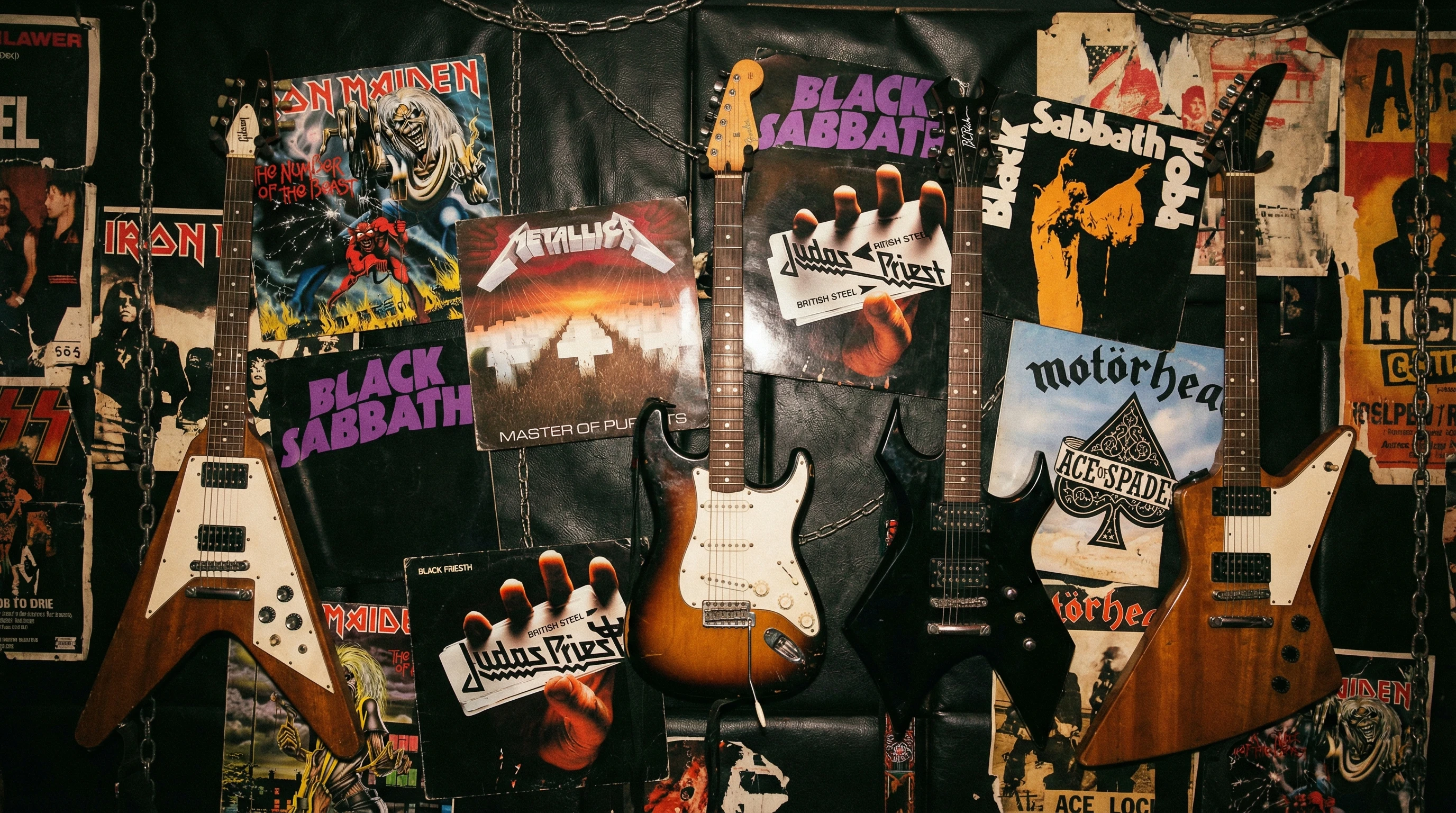
Tracing heavy metal back to its roots, you’ll definitely run into Black Sabbath, along with other early pioneers like Led Zeppelin and Deep Purple. Black Sabbath’s 1970 self-titled debut album features some of the first heavy, distorted guitar riffs that gave the style its signature bite. Stories from fans who heard “Paranoid” or “Iron Man” for the first time in the ’70s talk about how different it sounded compared to the typical rock on the radio. There was a definite shiver-down-your-spine quality to it.
Led Zeppelin also pushed the boundaries of loud and intense rock, while Deep Purple made technical skills and fast playing part of the heavy metal toolkit. By the mid-1970s, bands like Judas Priest brought a new level of aggression, drama, and twin guitar harmonies to the mix. These bands helped define what heavy metal could sound and look like, right down to the leather jackets and pounding drums.
The Rise of Subgenres: New Waves and Directions
The late 1970s and 1980s were wild years for heavy metal, and this is when all sorts of new branches took shape. The New Wave of British Heavy Metal (NWOBHM) got things moving. Bands like Iron Maiden and Saxon delivered galloping rhythms, soaring vocals, and catchy, anthemic choruses. I remember talking with an older cousin who saw Iron Maiden in the ’80s. He described the concerts as absolutely eye-catching events that brought together fans from all walks of life.
Then came thrash metal: think Metallica, Slayer, Megadeth, and Anthrax. These bands sped things up and tapped into feelings of rebellion and unrest that were happening in the world. The palm-muted riffs and relentless drumming set thrash apart. It didn’t take long for it to gain a dedicated group of fans who loved the speed and intensity.
On top of thrash, glam metal erupted from LA’s Sunset Strip. Motley Crue, Poison, and Def Leppard combined big hair, flashy outfits, and catchy hooks with metal’s stadium-ready power. This split in styles—gritty and aggressive versus glam and party-ready—showed just how flexible heavy metal could be.
Evolution in the ’90s: Going Deeper, Darker, and Heavier
By the 1990s, heavy metal spread out in a bunch of new directions. Death metal, led by acts like Death and Cannibal Corpse, cranked up the speed, technicality, and brutality, with lyrics exploring dark and often graphic themes. Black metal, which took off in Norway with bands like Mayhem and Darkthrone, brought in haunting atmospheres and a deliberately “raw” and sometimes controversial image.
The ’90s also brought groove metal and alternative metal. Pantera had a huge influence with their mix of heavy riffs and southern rock swagger. At the same time, bands like Tool and Faith No More mixed metal with other genres, pulling in fans who wanted something unpredictable. Nirvana and the grunge surge may have pushed metal out of the mainstream spotlight for a while. Even so, metalheads kept the style alive in underground scenes and local clubs around the world.
During this decade, progressive metal became a big deal. Bands like Dream Theater and Opeth used intricate song structures, odd time signatures, and jazzy influences to create complex soundscapes that could be both heavy and thought-provoking. Meanwhile, doom metal bands like Cathedral and Electric Wizard slowed things down, focusing on dense, crushing riffs and mournful atmospheres, offering a contrasting style that resonated deeply within the metal community.
21st Century Metal: Innovation and Global Reach
These days, heavy metal is more varied than ever, and it stretches across continents. Metalcore combines metal’s heaviness with the energy of hardcore punk—bands like Killswitch Engage and Parkway Drive making big waves—while djent focuses on superprecise, lowtuned guitar riffs (think Periphery or Meshuggah). Nu metal, with acts like Korn, Slipknot, and Linkin Park, blends hip hop, electronic, and industrial touches, pulling in a new generation of fans. I’ll never forget my first high school friend who blasted Slipknot’s “Duality” in his beat-up car; those pounding drums were all we needed to get hyped up for any skate session.
Female-led bands and artists from all over the planet are shaking things up too, from Japan’s Babymetal to Sweden’s Arch Enemy. Streaming platforms and social media make it easy to stumble upon grindcore from Brazil or power metal from Finland in just a few clicks. The metal fandom is proudly global, with huge festivals like Wacken Open Air in Germany drawing crowds from dozens of countries every year.
Additionally, the 21st century has seen an explosion in bands that blend elements from traditional world music with metal, creating new genres like folk metal and viking metal. Groups such as Eluveitie and Ensiferum mix flutes, violins, and bagpipes into their sound, creating music that’s both heavy and rooted in cultural history. This constant willingness to mix in some variety ensures metal stays fresh and exciting for fans everywhere.
Key Characteristics that Define Heavy Metal
Heavy metal is all about pushing the envelope, but there are some common traits that glue the scene together, no matter what subgenre you’re into:
- Loud, Distorted Guitars: Heavy riffing is at the heart of metal. Those crunchy, often minor key power chords pack a punch.
- Powerful Vocals: From melodic wails to harsh growls and screams, metal vocals can cover a lot of ground. Bruce Dickinson (Iron Maiden), Rob Halford (Judas Priest), and Corey Taylor (Slipknot) have some of the most recognizable voices in the scene.
- Fast, Technical Drumming: Double-kick pedals, blast beats, and complex time signatures show off serious skill behind the kit.
- Theatrical Image and Stage Shows: Whether it’s corpse paint, stage pyrotechnics, or wild costumes, metal concerts are a feast for the senses.
Fans bond over music, but also over the attitude and style that come with being a “metalhead.” That sense of community, of not quite fitting in with the mainstream, keeps people coming back year after year, album after album.
Instrumental skill is highly valued in the metal world. Guitar solos often showcase finger-twisting speed, while bassists and drummers lay down intricate rhythms that can challenge even the most practiced musicians. It’s a space where technical prowess pairs with emotional rawness, creating songs that move both body and mind.
Things To Think About If You’re New To Heavy Metal
If you’re just getting into heavy metal, or thinking about exploring beyond the basics, here are a few things that can help you find your style and enjoy the music even more:
- Start with the Classics: Listen to early albums by Black Sabbath, Judas Priest, or Iron Maiden to get a feel for where things began.
- Branch Out: Test out different subgenres. Try a bit of thrash, doom, death, or symphonic metal to see what grabs you.
- Check Out Local Scenes and Live Shows: Seeing metal bands live will show you a whole new side of the genre. The community is usually really welcoming to newcomers.
- Don’t Be Intimidated: Metal lyrics or the image might feel over the top at first, but behind all that are musicians dedicated to their craft and fans who care about the music.
The cool thing about metal is that there are very few “rules.” You’ll meet people who are into folk-inspired metal, sci-fi themes, or even bands that blend jazz or classical influences. The more you check out, the more connections you’ll find. Consider learning a bit about the history of your favorite bands and reading up on the lyrical themes—many metal songs are packed with references to literature, mythology, or philosophy, which adds an extra layer for curious listeners.
If you play an instrument, try picking up a basic riff or drumming along to a simple metal song. Playing the music yourself gives you a new appreciation for the work and skill that goes into it. And if you’re a creative type, the eye-catching artwork of album covers, posters, and t-shirts can inspire you to express your love for the genre in new ways.
Frequently Asked Questions
Getting into heavy metal can bring up a bunch of questions. Here are a few things that often come up when chatting with people new to the genre:
Question: Is heavy metal just about being loud?
Answer: Not really. While the music is known for its volume and energy, there’s a lot of nuance in the playing and lyrics. Some bands focus on melody, complex songwriting, or storytelling. Metal is more about expression than just noise.
Question: Does everyone who likes metal dress the same way?
Answer: Heavy metal has iconic fashion—leather jackets, band shirts, denim, and patches. Fans, however, express themselves in all sorts of ways. The only real requirement is loving the music.
Question: Can heavy metal have positive or meaningful lyrics?
Answer: Definitely. While some metal lyrics are dark or rebellious, many songs tackle big topics, like personal struggles, social issues, or exploring fantasy worlds, and can actually be really inspiring.
Question: What’s the best way to stumble upon new metal bands?
Answer: Streaming services with “related artists” or band-specific playlists are pretty handy, but talking to fans or joining online forums (Reddit’s metal subreddit, for example) will get you loads of recommendations you might not find on your own.
Question: Is heavy metal welcoming to everyone?
Answer: Absolutely. The global metal community is known for being inclusive and supportive. No matter your background, there’s a good chance you’ll find friends and experiences you connect with through metal.
Getting the Most Out of Heavy Metal Today
The heavy metal scene continues to reinvent itself, keeping things interesting for new and long-time fans. Staying open to new styles, learning the history, and connecting with fellow fans online or at gigs are great ways to get more out of the music. You’ll find heavy metal is one of the friendliest and most passionate music communities out there.
Whether you’re blasting old-school records, moshing at a festival, or jamming with friends, heavy metal gives you a super energetic and creative way to enjoy music. The only real rule is to listen with an open mind and have a good time. Wrapping up, heavy metal’s story isn’t just about loud riffs or long hair; it’s about forging a space where creativity, individuality, and passion for music thrive. So crank it up and jump in—there’s always something new to find in the ever-evolving world of metal.