
Arena rock from the 1970s left a mark on modern rock that’s hard to miss. The massive sound, huge choruses, and stadium-sized ambition became part of rock’s DNA. Whenever I crank up a recent rock track with soaring vocals or crunchy guitars, I catch shadows of bands like Boston, Journey, and Styx right in the mix. From the guitars to the production tricks to the emotional punch of the songs, the 70s arena rock vibe keeps echoing through today’s music.
What Made 70s Arena Rock So Unique?
Arena rock exploded in the 70s because bands decided to crank everything way up. I’m talking about blending catchy radio-ready hooks with heavier guitar riffs and a polished, almost larger than life sound. Think of the epic intros, dramatic breakdowns, and singalong anthems you still hear echoed at sports stadiums and arenas.
Boston delivered those huge layered guitars and silky multitracked vocals. Journey went for dynamic melodies and Steve Perry’s signature high notes. Kansas brought big storytelling and progressive touches, while Styx mixed theatrical flair with sharp musicianship. Grand Funk Railroad proved that a hard driving groove could fill the biggest venues.
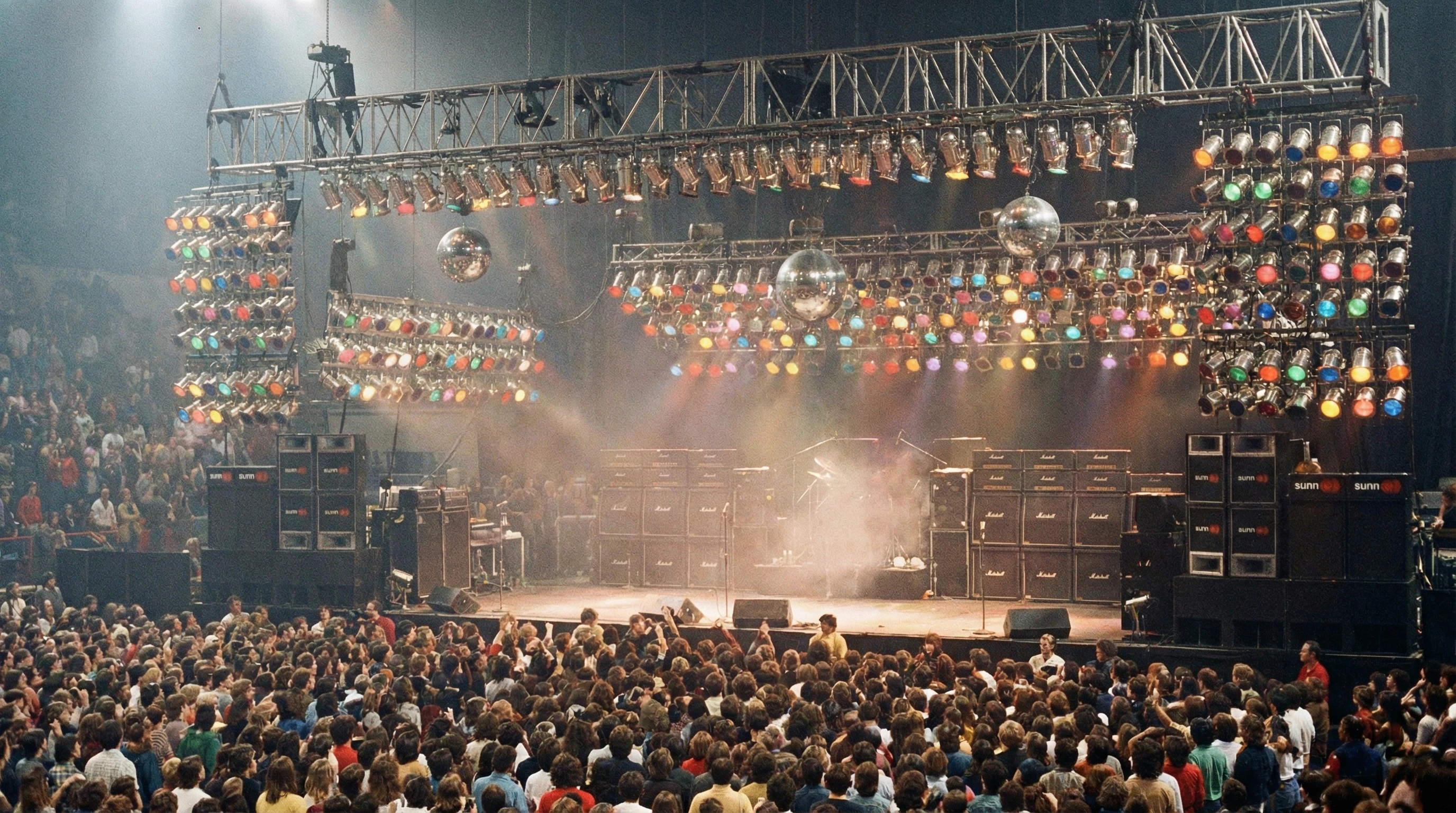
Arena rock bands tailored their shows for massive crowds. Lots of huge lighting rigs, fog machines, and extended solos; everything got dialed up to create a show you could feel at the back of the stadium. This live energy shaped song structures: intro, build, chorus, and then another even bigger chorus. It made for tunes that felt great in headphones and even better with 50,000 fans singing along.
How Arena Rock Bands Shaped Modern Rock Sound
The classic sound from those 70s rockers trickled down into just about every aspect of rock music that followed. Modern rock bands use some of the same tricks to make their music pop, whether they’re playing to clubs or festivals.
- Massive Choruses: Arena rock made the big, shout-it-out chorus standard. Modern acts like The Killers or Foo Fighters build their songs for group singing, a habit straight out of the 70s playbook.
- Layered Guitar Sounds: Boston used multitracked guitars to get that signature, full bodied sound. Today, you’ll hear similar techniques with bands coloring their tracks with rich, blended guitar tones you just can’t create live without some help from the studio.
- Anthemic Songwriting: Bands like Journey wrote for the crowd, focusing on shared emotions and memorable hooks. Modern artists, from Imagine Dragons to Kings of Leon, use this formula because it just works for connecting with audiences, live or online.
- Polished Production: Styx were early adopters of synths and complex production. Most of today’s rock, even indie stuff, is much smoother and more layered thanks to the production standards set back in the 70s.
What stands out to me is how these elements feel timeless; you still hear those punchy drums, harmonic guitar solos, and dramatic vocal builds almost everywhere in rock today.
The Big Five: Boston, Kansas, Journey, Styx, and Grand Funk Railroad
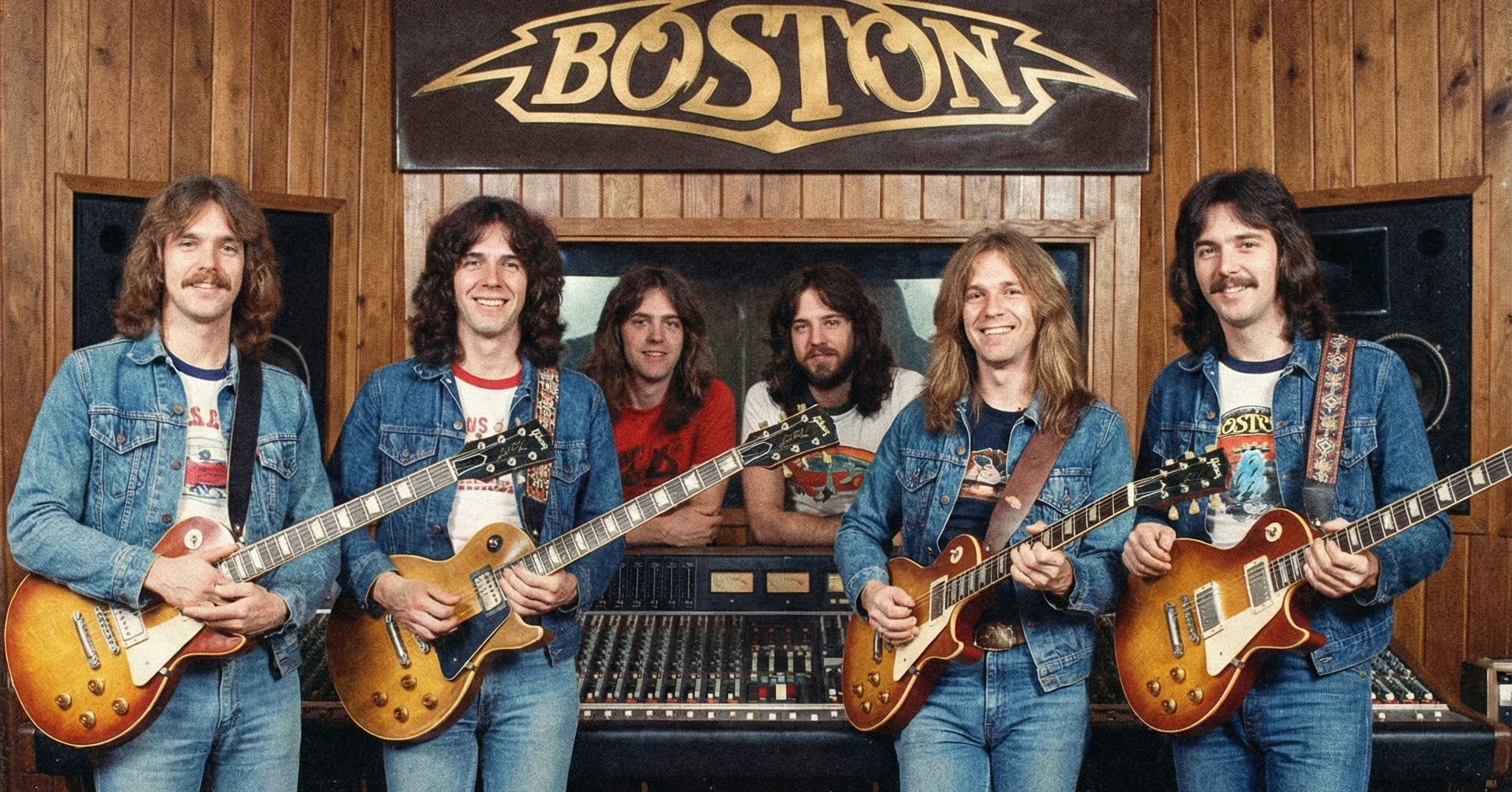
Boston: Tom Scholz’s technical wizardry changed how bands thought about guitar tones and studio recording. Boston’s debut album, packed with tracks like “More Than a Feeling,” became a reference point for anyone chasing a fat, radiofriendly rock sound. You’ll catch their signature harmonized leads in artists from Muse to Paramore.
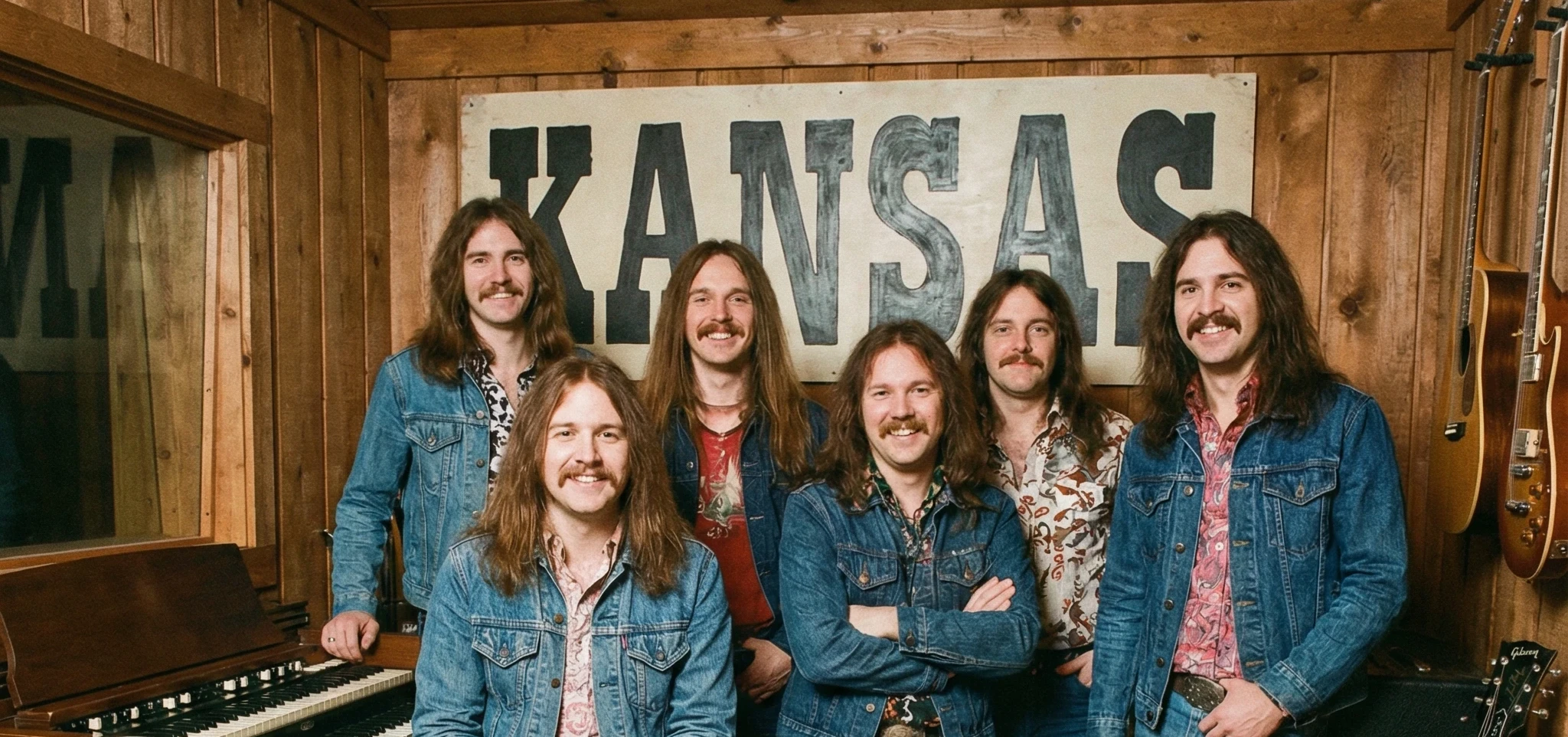
Kansas: Kansas worked classical and prog elements into rock, which paved the way for countless bands. The violin led “Dust in the Wind” and big, dramatic arrangements inspired groups from Dream Theater to more mainstream acts who wanted drama and story in their music without losing the melody.
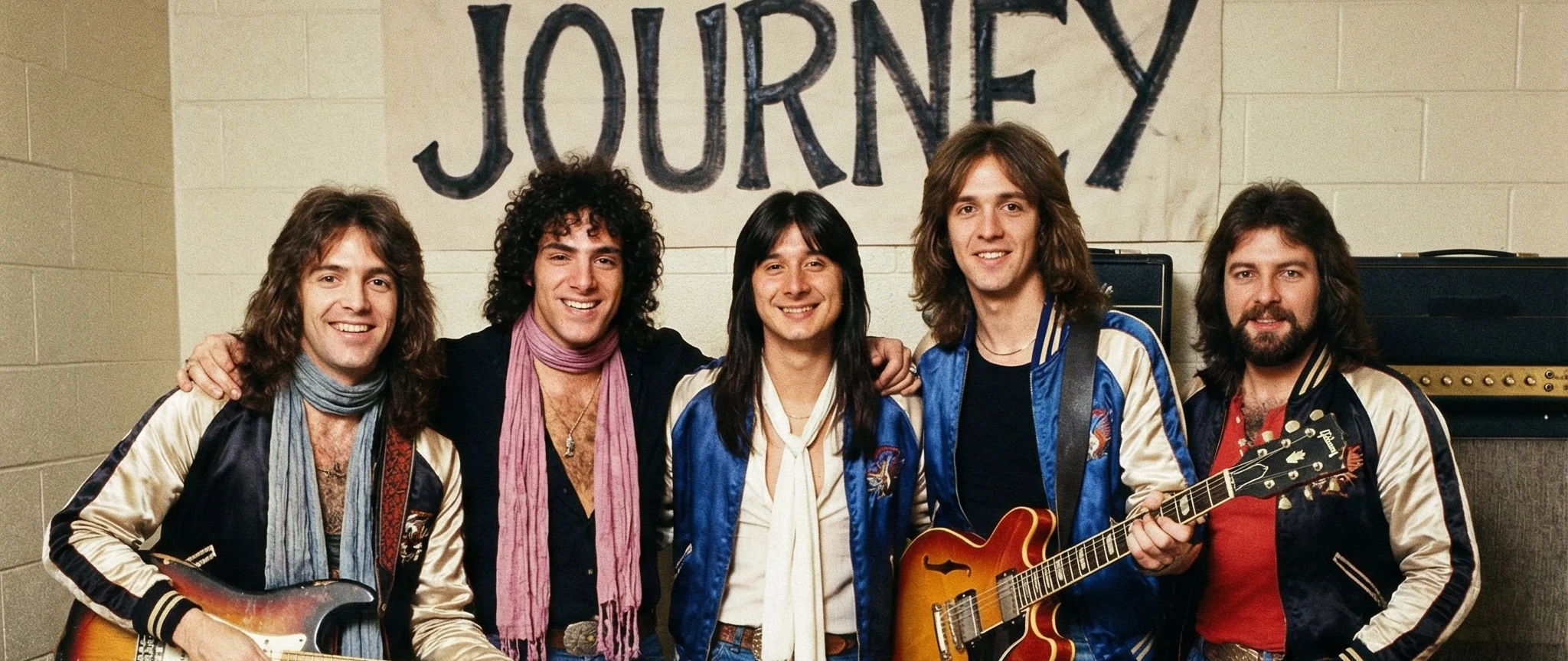
Journey: Steve Perry’s vocals and Neal Schon’s guitars together on tracks like “Don’t Stop Believin’” pretty much mapped out what a successful stadium anthem could be. Inspirational lyrics and punchy choruses stuck around, making anthems like this essential for new acts that want to rally a crowd.
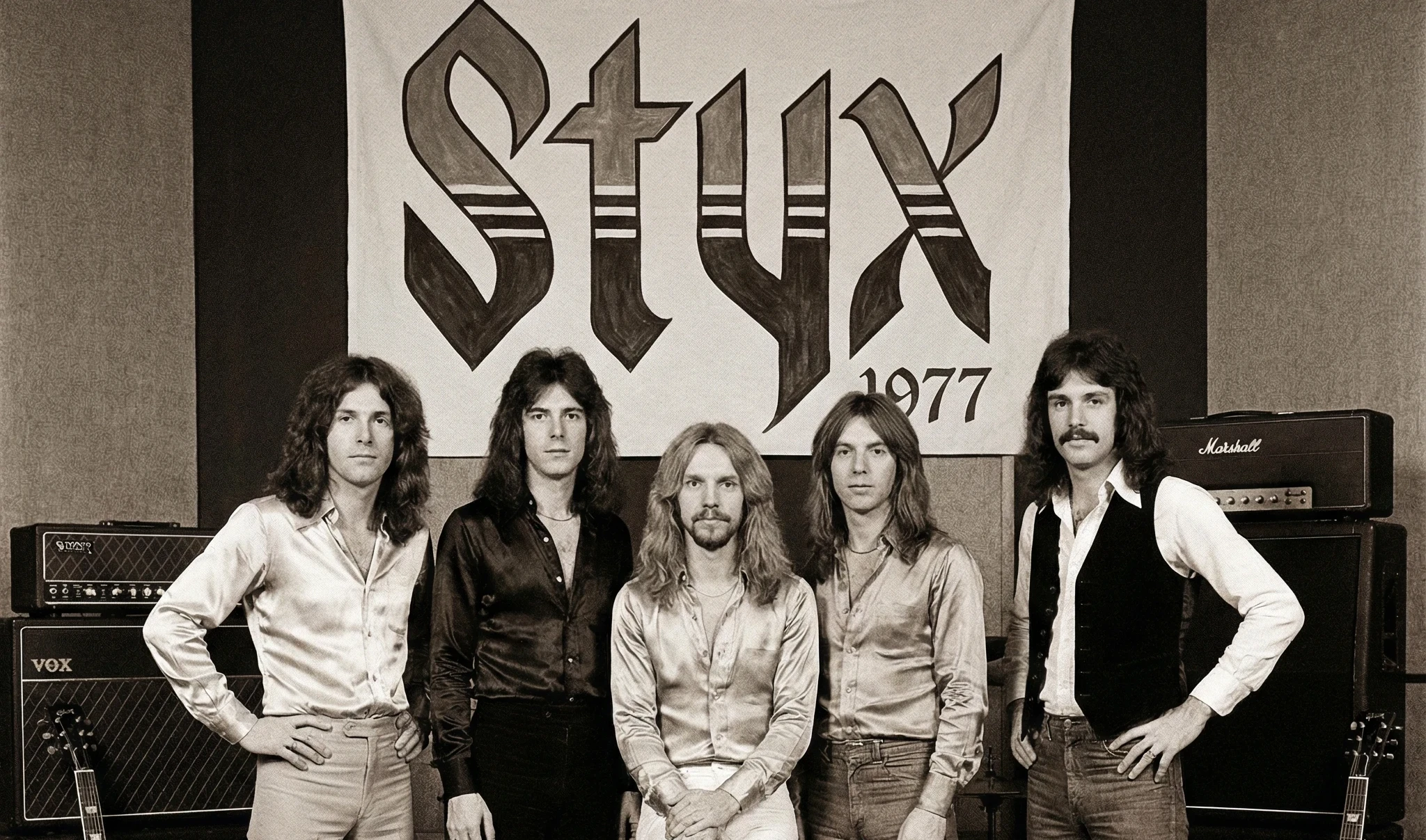
Styx: Styx combined theatrical presentation, synths, and tight harmonies. Their blend made way for other rock bands to experiment with keyboards and visual flair. Even metalcore and poppunk bands are pulling off multipart harmonies and theatrical touches today.
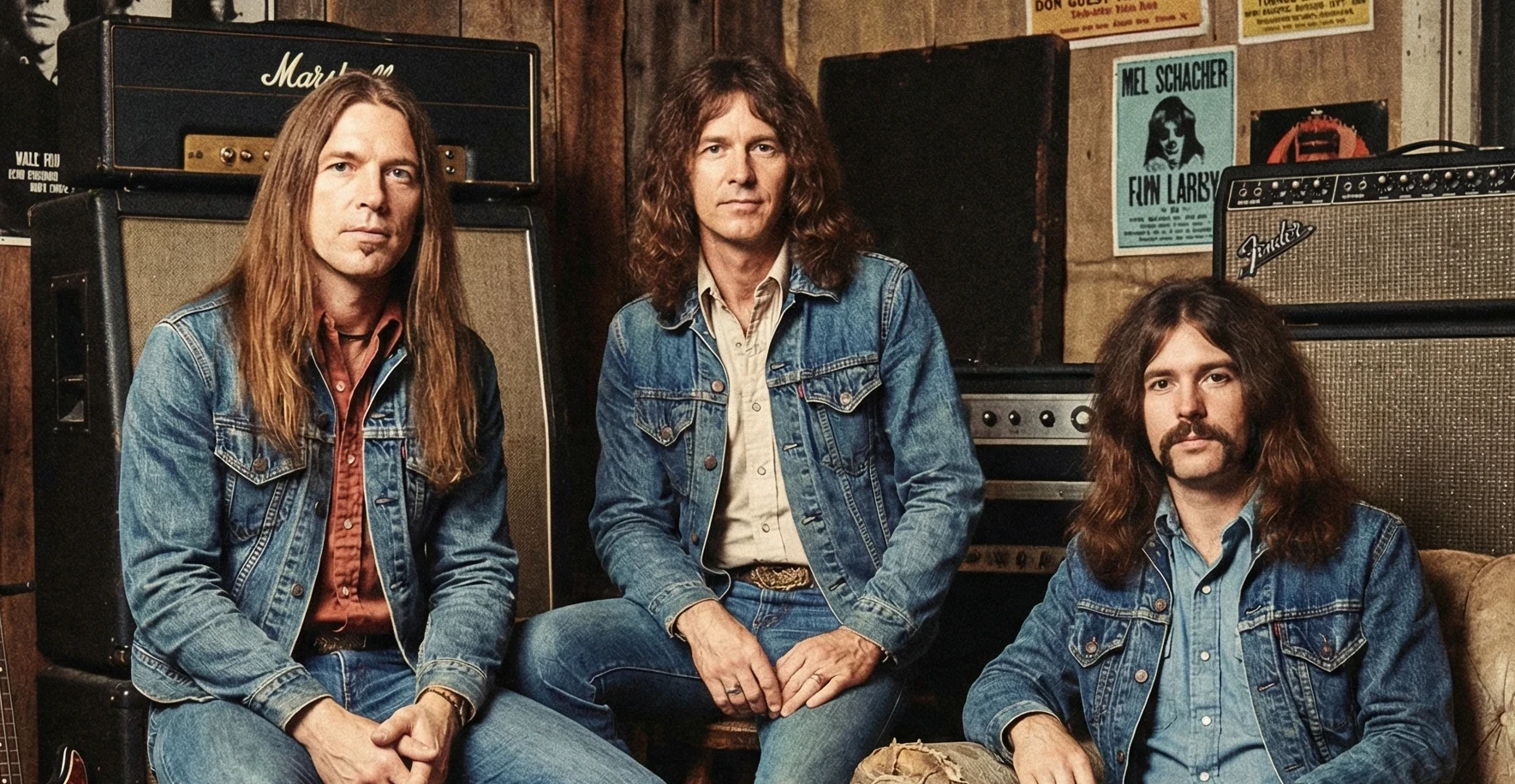
Grand Funk Railroad: Grand Funk proved you don’t have to be flashy to fill arenas. Their groove heavy, soulful rock influenced later hard rock and grunge bands who mixed accessibility with just enough of a raw edge.
Big Features That Arena Rock Gifted Modern Rock
Some features from the arena era became best practices for current bands. Here’s what I’ve noticed playing in bands and chatting with other guitar nerds and songwriters.
- Hook Based Songwriting: If you want radio or Spotify plays, you need a catchy hook. Arena rockers basically set this up, with songs that zap straight into your head.
- Sonic Layers: Giant layered guitars and vocal harmonies set the standard for a lush sound. Sometimes, modern bands use digital production, but the idea comes from those Boston and Styx records.
- Big Builds and Drops: It’s all about dynamics. Just like in an arena, big energy shifts grab people’s attention; quiet verses, explosive choruses, and that all in final breakdown.
- Audience Connection: Arena rock was written for shared live experiences. Modern rockers still think about how a song will hit live, whether they’re in a dive bar or playing a sold out festival.
Additionally, arena rock’s focus on unity and inclusion in massive crowds led to lyrics and themes that cross genres today. Modern pop and indie acts often use the same emotional hooks and collective chants established by these 70s anthems, aiming to give fans not just songs but moments that stick with them long after the concert ends.
Challenges of Keeping Arena Rock Alive
Rock bands today love to borrow from the arena formula, but they’re also up against new challenges. For one, streaming platforms favor shorter songs and quicker payoffs, so not every act gets to drop the fiveminute epics or musical intros you heard in the 70s.
Another challenge is just keeping things fresh. When everyone tries for a gigantic anthem or dramatic buildup, it can feel over the top unless the songwriting is tight. A lot of modern groups try to balance those nostalgic elements with modern twists, like electronic influence, fresh lyrics, or stripped down arrangements; but the true arena spirit lives on in how songs are built for maximum impact.
Tech and Production: Then & Now
Modern tech gives bands access to the digital production tools that Tom Scholz would’ve loved. Recording guitar layers is way easier and more flexible, and you can get that huge stadium sound in a home studio environment. Synths and effects pedals, first popularized by these arena rockers, are now pretty much standard gear for every band. The evolution of live sound systems and stage effects means that the eye catching spectacle 70s bands pioneered can now be reimagined for any size venue, keeping the heart of arena rock beating into the present.
Real World Examples of Arena Rock Influence
Recent hits make it super clear how deep arena rock’s roots go. Tracks like The Killers’ “When You Were Young,” Foo Fighters’ “Best of You,” and Kings of Leon’s “Use Somebody” are all built around powerful vocals and chorus hooks designed for packed crowds. Even some poppunk and alternative bands sneak those layered vocals or big riffs into their music, showing how the DNA from Journey and Boston keeps evolving.
- U2 and Coldplay: Both built careers on huge crowd singalongs and dramatic stadium shows. This playbook goes straight back to the arena style of the 70s.
- Muse: Muse loves to blend Queenlike theatrics (another arena favorite) with heavy, energetic riffs that make their live sets totally legendary.
- Paramore & Imagine Dragons: These bands use dynamic builds, infectious hooks, and energetic breakdowns in a style that feels super arenaready, even if they dip their toes into pop and electronic influences sometimes.
In hip hop and pop, the “arena” spirit appears through large scale choruses, crowd participation hooks, and grandiose live presentations. Hip hop artists like Kanye West and JayZ use huge stage productions and mass appeal hooks reminiscent of 70s rockers. Pop stars, from Lady Gaga to Dua Lipa, incorporate the visual spectacle, wide open soundscapes, and charismatic crowd engagement, nodding directly to arena rock’s blueprint.
Frequently Asked Questions
Here are some burning questions folks often have when exploring 70s arena rock and its impact today:
Was arena rock criticized in its day?
Answer: A lot of critics called arena rock “corporate” or too polished, but fans didn’t care. The energy and singalong choruses were just too good to resist, and lots of that polish is now standard in the industry.
How do I spot arena rock influence in modern bands?
Answer: Look for huge hooks, multilayered guitars, crowd pleasing anthems, or dramatic vocal leaps. Any recent rock band aiming for big festival stages probably has some arena rock flavor mixed in.
Did arena rock only influence rock music?
Answer: Not at all. Pop, electronic, and even hip hop artists use similar big hooks, group vocals, and production tricks; arena rock proved that building for an audience gets results.
Arena Rock’s Legacy in Modern Music
Arena rock’s impact lives on in today’s rock, whether it’s a festival headliner or a band hoping for a viral chart hit. The sound might be more polished or mixed with other styles, but the goal is the same: get everyone singing along. Giant choruses, layered sounds, and big dramatic builds are all traces of that original 70s energy.
Listening to old Boston or Journey tunes and then jumping to recent arena ready bands makes it clear just how long lasting and adaptable those ideas are. I always get a kick out of catching those influences in a modern hit; proof that a good hook, a big sound, and a crowd to sing with will never go out of style. From the community unity in a packed stadium to the echo of a favorite anthem in your headphones, arena rock’s spirit keeps the heart of rock music pounding today.
Really enjoyed this deep dive. As someone who grew up on modern rock, it’s fascinating to hear the clear echoes of 70s arena giants in the music. Your analysis made me hear bands like Muse or My Chemical Romance in a new light—the DNA of that bombastic, theatrical performance is absolutely still there. It’s a powerful reminder that rock’s core spirit of spectacle never really went away; it just evolved.
This is a fantastic analysis of how the 70s DNA is still woven into today’s hits. I really enjoyed your point about the ‘Wall of Sound.’ It seems like modern rock is moving back toward those big, analog-feeling guitar layers after a decade of digital polish. In your opinion, which modern band is doing the best job of capturing that classic 70s ‘stadium’ reverb without sounding like a total throwback act?
Honestly, that is a very good question, Leah. Here is a detailed breakdown of the ones I believe do just what you’re asking about:
The War on Drugs
Why they nail it
They understand that 70s stadium sound wasn’t just about loud guitars—it was about space, movement, and emotional distance.
What they do right:
Layered guitars that blur instead of stack
→ More atmosphere than riffs
Long plate- and hall-style reverbs that breathe
Tempo-forward grooves that feel like late-70s Springsteen, Petty, and Dire Straits—but never imitate them directly
Analog sensibility with modern restraint
Albums like Lost in the Dream and A Deeper Understanding sound huge without sounding old. They feel like driving at night under stadium lights, not reenacting 1978.
This is 70s DNA filtered through modern melancholy—not nostalgia.
Strong contenders (each doing it differently)
Foo Fighters (when they lean into it)
When Dave Grohl dials back punk speed and leans into:
Multi-amp guitar layers
Open, roomy drum sounds
Big chorus reverbs
You hear Queen, Bad Company, and arena-era Zeppelin—but with modern punch. Wasting Light is a masterclass in analog bigness without excess gloss.
Royal Blood
They’re fascinating because:
It’s mostly bass
Yet it fills space like a full 70s power trio
They achieve “stadium” scale through:
Aggressive ambience
Saturation instead of sparkle
Minimalism turned massive
It’s not classic 70s tone, but it’s classic 70s impact.
Why some bands don’t quite stick the landing
You can probably guess the elephant in the room:
Greta Van Fleet absolutely captures the sound—but often too literally.
They recreate Zeppelin’s sonic palette so faithfully that it becomes referential rather than evolutionary.
That’s the key distinction:
Influence feels timeless. Imitation feels dated—even when it sounds good.
What all the successful bands understand
The real lesson from 70s stadium rock isn’t:
“Use analog gear”
“Crank the reverb”
“Layer everything”
It’s this:
Leave room for the sound to decay.
Modern bands that succeed:
Let notes hang
Let reverbs tail naturally
Let silence be part of the arrangement
That’s what makes the music feel larger than the speakers.
Adam, this took me back to why rock still matters to people who do not even call themselves rock fans. A big chorus is not just a musical trick. It is a human moment. Many strangers become one voice for a few minutes. That feeling does not expire.
When you describe the layered guitars, the polished production, and the build into a bigger chorus, I can hear it. Even if someone never stood in a stadium, they have felt the stadium effect through headphones. That is the genius of that era. It was built for crowds, but it still works in private.
I also notice how you connect it to modern bands without forcing it. The hooks, the dynamics, the space in the sound, and the way songs are shaped for people to sing back. That is why the influence keeps showing up. A good hook is not a trend. It is memory.
And there is something pro-humanity in the whole arena idea. For one night, people carry each other with rhythm and words. The world is loud, but music can turn loud into unity.
If you had to pick one classic arena track that still teaches the best lesson about writing a chorus people cannot forget, which one would it be?
John
The one track that comes to mind for me is Boston’s “More Than a Feeling.” The chorus line for that song is absolutely timeless. Even for someone that hears the song for the first time, the words in the chorus stick with them even after only hearing it once.