Heavy metal music and visual art go together like leather jackets and band patches. If you check out pretty much any legendary metal album, you’re bound to find wild, elaborate cover art that packs in monsters, ancient symbols, and a whole lot of screaming color. The art scene around metal is just as bold and creative as the music itself, pushing boundaries and carrying some really interesting stories, symbols, and taboos with it. I’m going to break down how these two worlds overlap, with examples that’ll probably give you a whole new perspective next time you spin your favorite record or see an album cover online.
The Power of Album Art in Heavy Metal
If you’ve ever browsed through a pile of vinyl records or CDs from the ‘80s and ‘90s, you probably know the feeling. A metal album cover practically jumps off the shelf, screaming for attention. Iron Maiden’s “Eddie” mascot, Black Sabbath’s shadowy crosses, and Metallica’s famous lightning bolt logos aren’t just pictures; they’re part of the music’s whole identity.
What’s really cool is how metal bands use their album art to set the stage for what you’ll hear. The artwork works almost like a preview: get ready for epic battles, strange worlds, or even giant robots smashing cities. This has made metal a playground for illustrators, painters, and digital artists to completely let it rip, especially compared to more restrained genres. Bands like Dio and Judas Priest love oldschool fantasy styles, while bands like Tool or Mastodon might go for surreal or psychedelic visuals. No matter what, the covers tend to speak just as loudly as the guitar solos inside.
Symphonic Metal: Castles, Magic, and Mythical Beasts
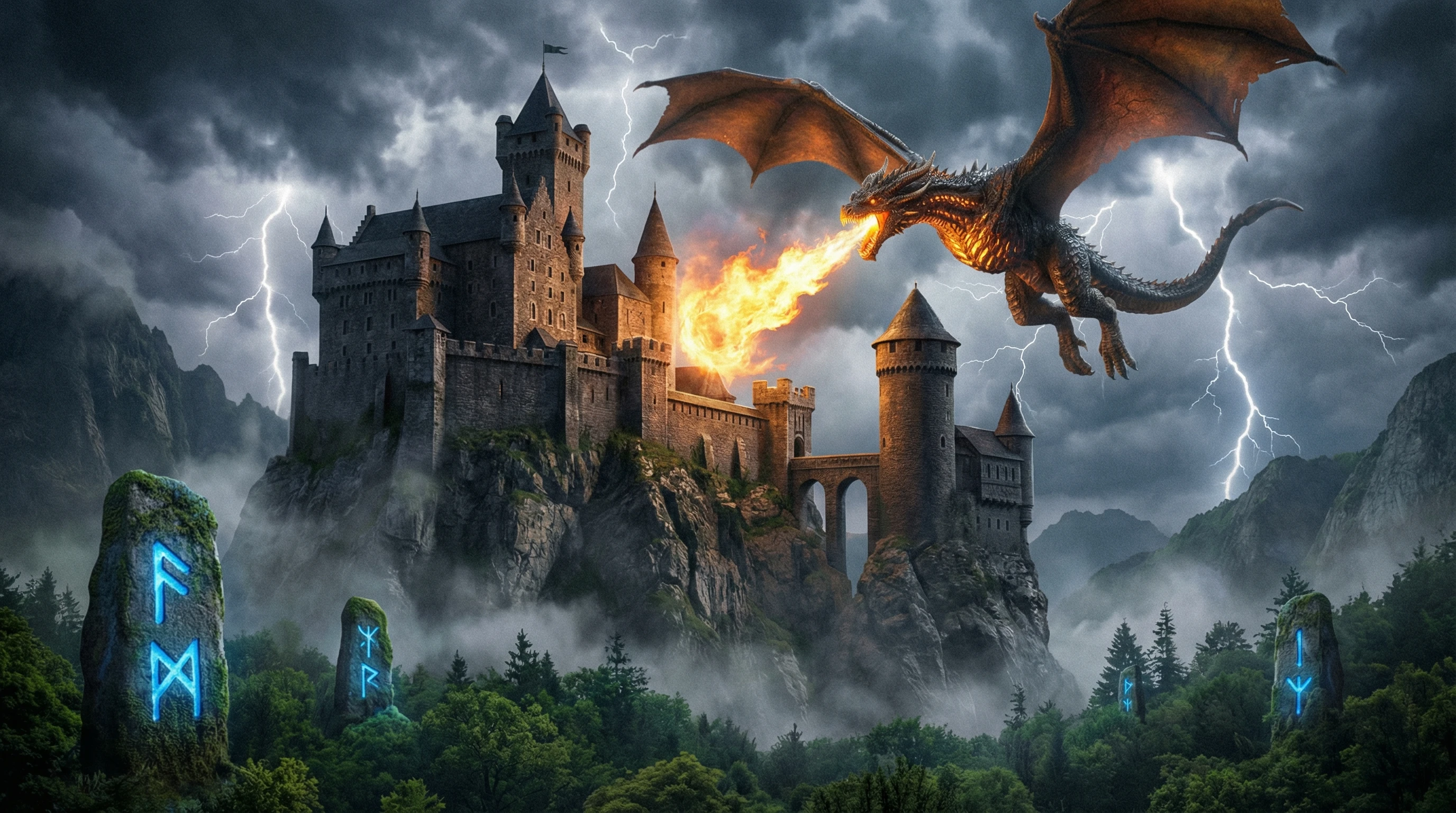
Symphonic metal is where things get especially wild. When Kamelot, Rhapsody of Fire, or Nightwish drop new albums, I expect to see pretty much every page from a fantasy novel splashed across the cover. Elaborate castles with impossibly tall towers loom over misty mountains. There are fire-breathing dragons circling above enchanted fortresses, with lightning arcing between ancient stone spires. Sometimes armored knights or wizard-like figures stand at the center, weapons in hand and cloaks billowing dramatically.
For a lot of fans (myself included), this art isn’t just eye candy; it actually fits the stories the bands weave in their lyrics. Symphonic metal almost always tells stories inspired by medieval quests, lost kingdoms, and magical battles, so the look and the sound work together perfectly. You’ll see jewel-toned skies, cosmic backgrounds, and a lot of mystical symbolism. It’s immersive and can make you feel like you’ve opened the cover of a fantasy novel, with the music as its soundtrack.
This next-level cool artwork also helps pull fans into the band’s universe. It gives a sense of continuity between different albums and sometimes even hints at storylines or recurring characters. People collect these covers like pieces of a puzzle, connecting the visuals to lyrics and the vibe of the music. The combination of music and art really adds a new layer of excitement for fans new and old.
Norse, Greek, and Atlantean Mythology Across Europe’s Metal Scene
It’s not just dragons and castles showing up in the artwork, either. Mythology from Norse, Greek, and Atlantean legends shows up everywhere across European metal scenes. If you flip through albums by bands like Amon Amarth, you’ll spot Odin, Thor, longships, and Viking warriors bathed in the blue and red glow of battle. The band Therion leans heavily on Greek symbols—think Medusa heads, labyrinths, and tridents—while tons of power metal groups riff on Atlantis, showing lost cities underwater or ancient hightech ruins crumbling beneath tentacles or waves.
Artists pull this off with an eye for detail. There might be intricate carvings and runes, mystical portals, or gods locked in combat. The goal is to match the epic sweep of the music; the stories these bands tell are supposed to feel larger than life. That’s why I always feel like heavy metal album art can act as a kind of guided tour through mythology, taking listeners on a visual adventure before the first note plays.
The Shock Factor: Satanic and Demonic Imagery in Metal Art
Metal’s relationship with the more controversial side of visual art can’t really be ignored. Even though I’m personally not a huge fan of this part, it’s worth explaining. When Black Sabbath, Slayer, and even newer bands like Ghost push dark, occult, or demonic themes in their artwork, it’s as much about getting a reaction as it is about reflecting the band’s lyrics. Pentagrams, horned skulls, and abstract images painted in bloodred and pitchblack aren’t rare. This is one reason why metal, fairly or not, got labeled by outsiders as “the devil’s music” for so many years.
The truth is, a lot of this is just exaggerated for show. The imagery is meant to rebel against rules or provoke a reaction, not literally promote anything. Bands often use these visuals the way horror movies use monsters, to create a mood, shock, and build a sort of secret code with fans. The upside is that these visuals have been a big part of giving metal its identity, even driving creativity among artists who want to go as wild and otherworldly as possible.
Iconic Artists Who Helped Define Metal’s Visual Identity
The people behind heavy metal’s most memorable visuals have left a serious mark on both music and art. Derek Riggs, who created Iron Maiden’s Eddie, basically turned a cartoon zombie into one of the most instantly recognizable icons in music. Ken Kelly painted fantasy masterpieces for Manowar and Kiss, helping cement that giant, muscular, sword and sorcery look. Mark Wilkinson did psychedelic, bizarre art for Judas Priest, Marillion, and Fish, while Joe Petagno’s work for Motörhead turned the band’s “Snaggletooth” mascot into an international symbol for rebellion and power.
Even digital artists nowadays are getting in on the action, mixing photorealistic textures with hand-drawn monsters and magical ruins. The bar for creativity keeps getting higher. Fans expect each new release to bring bolder, brasher visuals than the last one. This constant push inspires young artists to take inspiration from metal’s wild roots, adding their own flavor and bringing traditional styles into the digital age. Metal art is a living, evolving tradition that celebrates pushing boundaries each year.
How Metal Imagery Shapes Fashion and Popular Culture
Metal cover art and logos don’t stay stuck on record sleeves. Over time, they’ve become the centerpiece of fashion; think t-shirts, back patches, and tattoos. You’ll see people rocking Iron Maiden’s Eddie, Metallica’s M, or Bathory’s goat skull logo on jackets, bags, and even skateboard decks, not to mention the endless memes and fan art that fill up social media feeds.
This crossover helps metal visuals feel mainstream even while the music itself keeps a bit of an outsider image. A lot of the style comes from that bold freedom to use whatever imagery feels cool, mysterious, or rebellious to the community. Even folks who don’t listen to metal know what a Slayer shirt looks like, and that says a lot about how powerful the visual side of this music has become.
In addition, metal art has been referenced in films, comic books, and even high fashion. Designers borrow themes and colors from classic album covers, sometimes reimagining them for runway shows. This proves how strongly metal’s visual language has soaked into the wider culture, letting metalheads spot each other across music genres and even across generations. The art’s influence keeps spreading, reaching new fans who might stumble upon metal through its distinct look alone.
Tips for Understanding and Enjoying Metal Art
Getting into metal art doesn’t mean you need to know every artist’s name or recognize every symbol. I’ve found that the fun is in noticing what catches your eye and what kind of story an image sets up in your mind. Here are a few ideas I use for digging a little deeper into what you see on album covers or band merch:
- Check out the details: Zoom in and look at the tiny parts; sometimes little symbols or background figures are just as important as the main scene.
- Compare with the music: See how the art’s mood or themes match up with the lyrics or sound. Some covers hint at the story or emotion of the whole album.
- Look up the artists: If something stands out, it’s worth seeing who made it. Many metal artists work with several bands, and their personal styles are fun to follow.
- Explore online communities: Sites like DeviantArt, Reddit, and Instagram are packed with fan interpretations, artist Q&As, and breakdowns of classic covers.
Also, don’t be afraid to reach out or comment on artists’ posts online. Many love sharing the stories behind their work and explaining their creative choices. Engaging with these creators gives fans a behind-the-scenes look that can deepen your appreciation for the art and maybe even inspire you to try your hand at drawing or painting your own version.
Frequently Asked Questions
Question: Why do so many metal covers use castles, dragons, and fantasy themes?
Answer: Metal, especially symphonic, epic, and power metal, often tells stories inspired by fantasy and myth. Castles, dragons, and magical scenes help set the stage for the music’s adventurous vibe and draw fans into the band’s universe.
Question: What’s with all the controversial or “evil” symbols on metal albums?
Answer: Much of the dark, demonic, or satanic imagery in metal is about shock value and rebellion, not actual beliefs. It fits the music’s reputation for breaking social norms and gives artists a dramatic visual language to use.
Question: Who are some famous heavy metal album artists?
Answer: Derek Riggs (Iron Maiden), Ken Kelly (Manowar, Kiss), and Joe Petagno (Motörhead) are legends. Newer digital artists keep building on their style, bringing detailed and wild imagery to new generations of fans.
The Takeaway: Art and Music That Feed Each Other
Heavy metal’s visual art is loud, bold, and packed with meaning, just like the music. Whether it’s a next-level cool magical castle, a furious Viking, or a grim demon, the art world in metal always has something wild to offer. These images keep fans inspired, fuel new creative projects, and help keep the genre fresh and rebellious. No matter how many years have passed since the first power chord rang out, the next metal album or band will surely bring eye-catching new artwork that pushes the genre’s boundaries even further.