
Symphonic metal brings together the heavy sounds of metal and the grandeur of orchestral music, giving listeners a powerful and dramatic ride. If you’ve ever wondered how this style kicked off or why it keeps popping up in playlists from all over the globe, I’m right there with you. Here’s my look into how symphonic metal came to life and kept shaping itself into what we enjoy today.
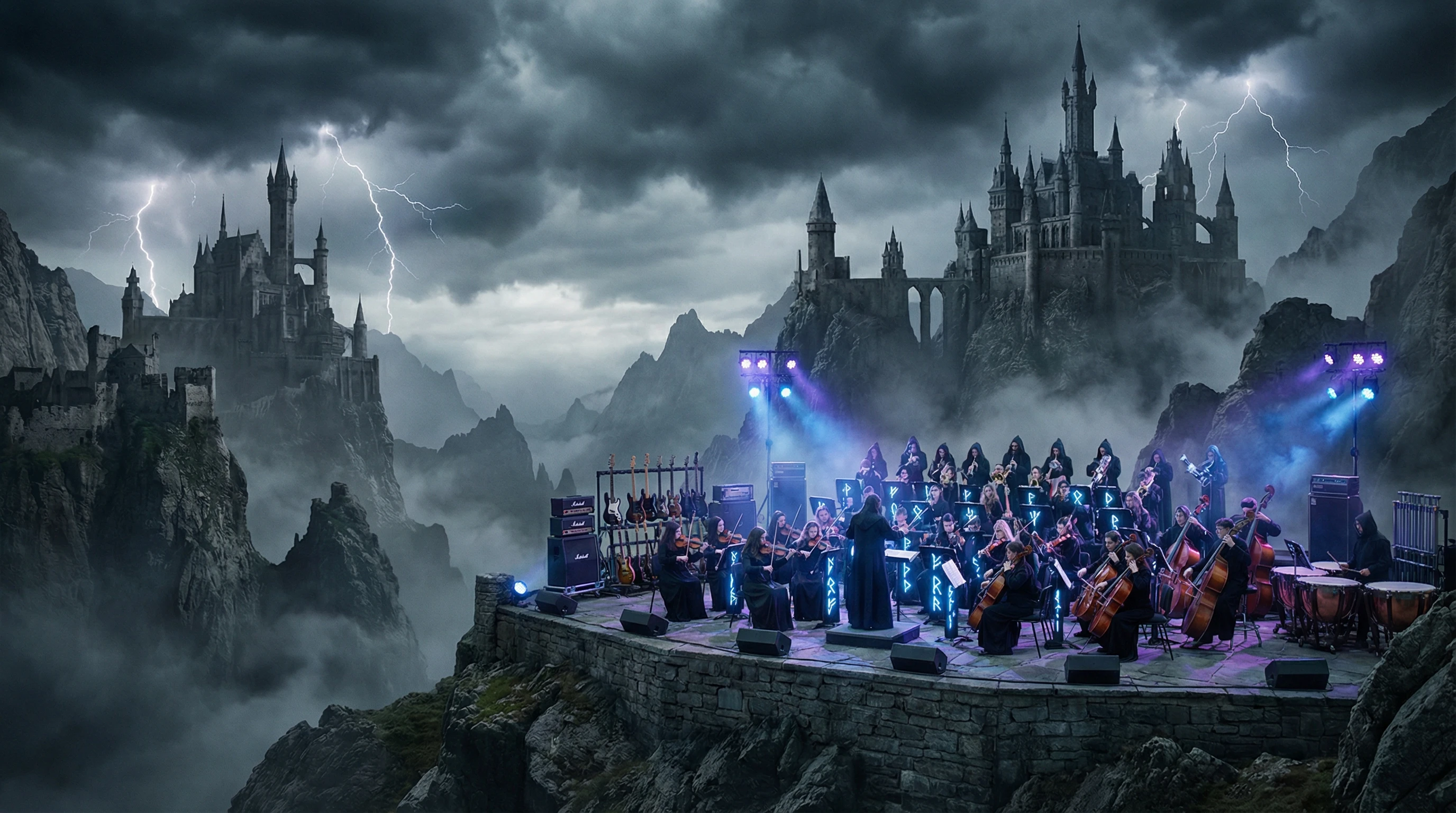
The Birth of Symphonic Metal: Where It All Began
The story behind symphonic metal goes back to the late 1980s and early 1990s, a time when metal bands started mixing it up by adding orchestras, keyboards, and choirs. Power metal and gothic metal were picking up momentum, but some groups wanted that cinematic edge in their songs. This experiment sparked the idea of mixing classical music with heavy metal, and pretty soon it took off.
Bands like Celtic Frost and Therion were among the trailblazers who mixed orchestral sounds into metal albums. Therion’s 1996 offering, “Theli,” caught ears everywhere with its operatic choir and symphonic arrangements layered over heavy guitar work. Their big swing inspired other metal musicians to try weaving in similar elements, starting a trend that just kept rolling.
The Influence of Classical Music and Metal Pioneers
One thing that sets symphonic metal apart is how much it “borrows” from both classical music and metal. Metal naturally brings intensity, punchy rhythms, and speed, while classical music throws in the drama of epic symphonies and choral arrangements. Surprisingly, these two worlds have a lot in common.
Within metal, substyles like doom, power, and gothic metal created a dark, emotional foundation for symphonic elements to shine. Many symphonic metal bands draw from classical heavyweights like Wagner and Beethoven, whose theatrical storytelling and dramatic swells make a good match for metal’s thunderous riffs and booming drums. In fact, symphonic metal sometimes feels like a next-level cool classical symphony, just electrified.
The Rise of European Symphonic Metal Bands
Europe, especially Finland, the Netherlands, and Sweden, is where symphonic metal really took flight. Bands from these areas brought the style into the spotlight during the late ’90s and the early 2000s.
- Nightwish (Finland): Their 1998 album “Oceanborn” mixed trademark metal with operatic vocals and lush keyboard layers. Nightwish helped lock in the sound for the whole scene.
- Within Temptation (Netherlands): Starting with gothic influences on “Enter,” they switched things up on their 2000 album “Mother Earth,” where the symphonic sound really stands out.
- Epica (Netherlands): Famous for massive choirs, dramatic strings, and operatic singing, Epica’s music could be the soundtrack to a blockbuster movie.
- Therion (Sweden): Already mentioned, but these guys kept setting trends and showing how symphonic and operatic touches fit into metal.
These bands and others wrote the symphonic metal playbook, blending melodic singing with heavy guitar and orchestration, proving the sound could go mainstream.
Main Elements That Shape Symphonic Metal
If you’ve ever listened to a great symphonic metal track, you know it brings a lot more than guitars and drums to the table. Here’s what makes the genre stand out:
- Orchestration: Live orchestras or high-quality digital sounds provide strings, brass, and epic percussion. Some bands even go the extra mile, recording with full orchestras for albums or tours. Others use their tech to put these layers together in the studio.
- Operatic and Choir Vocals: Instead of classic rock shouts or growls (though those sometimes pop up), many bands feature trained operatic singers and big choir parts. This gives songs a really cinematic sound.
- Lyrical Themes: Symphonic metal dives deep into fantasy worlds, mythology, historical tales, and even big philosophical ideas. Whole albums might be themed around legendary gods, forgotten eras, or epic battles.
- Blending Heavy and Melodic: The key is balancing aggressive guitars, bass, and drums with melodic layers from strings or keyboards. The best tracks make the orchestration feel natural, giving a boost to the band’s energy without overcrowding.
Mixing all these parts takes serious creativity. That’s a big reason why fans gravitate to symphonic metal—the songs never feel like an afterthought.
Challenges Bands Face When Crafting Symphonic Metal
Making symphonic metal isn’t just about adding some strings to a heavy riff. Bands run into a few challenges along the way:
- Finding Balance: If there’s too much orchestra, the guitars might fade into the background; too little, and the music loses its epic vibe.
- Live Performance Hurdles: Bringing the energy of a studio recording to the stage is tough. Live shows often depend on backing tracks, or sometimes bands partner up with local orchestras for special events.
- Production and Budget: Recording with classical musicians and mixing orchestral scores costs a lot more than your standard rock project. Between arranging, rehearsals, and mixing, things get complex and expensive quickly.
How the Best Bands Keep It Balanced
The standout albums always feel like everything’s working in harmony. Bands experiment with different mixes, letting the orchestral parts blend smoothly with the metal instruments. Producers and musicians adjust levels, play with tempos, and make fine tweaks in the studio, making sure no single part takes over the whole track.
Bringing the Sound to the Stage
With symphonic metal, playing live can be a real adventure. Few clubs or arenas can fit a full orchestra, so some bigger acts like Nightwish manage to include them at select shows. Most use digital samples or creative tech setups to recreate the fullness of their records, making sure the live show keeps up the magic.
Bigger Productions, Bigger Price Tags
Creating even one symphonic metal song often means lining up lots of musicians, several recording studios, and a production team. That’s why most bands in this genre have to build up serious fan support or work with large record labels to make it happen without sacrificing quality.
Symphonic Metal’s Glow-Up: Fresh Directions and New Trends
Since the early 2000s, the genre has kept morphing and mixing in new stuff. Some bands bring in even more classical influences with real orchestras, while others add different genres such as folk, death metal, or even electronic beats for a fresh spin.
Groups like Xandria, Delain, and Kamelot add catchy pop hooks or punchier riffs. On the other hand, Fleshgod Apocalypse fuses guttural death metal with soaring piano and strings. Many up-and-coming bands now focus on unique themes, like history or concept albums, helping keep the scene exciting.
Today’s tech matters too. Musicians of any level can use pro-quality orchestral software from their bedroom studios—something that’s made epic arrangements more accessible for everyone.
Common Questions About Symphonic Metal
Since the style might be new to many, here are some typical questions with quick answers:
How is symphonic metal different from other metal styles?
What sets it apart is the mashup of guitars, bass, and drums with orchestral elements like strings and choral vocals. Other metal genres might feature keyboards, but tend not to bring in the big cinematic touches that symphonic metal does.
Do bands actually play with real orchestras?
For bigger acts or special concerts, yes, real orchestras are often hired. For smaller bands, high-end digital samples work as a substitute and still sound epic, so the vibe doesn’t get lost.
Are there symphonic metal bands outside of Europe?
Definitely! Lots of acts from the Americas and Asia join in now as well. The online music world has helped the genre spread fast, grabbing fans all over.
Are operatic vocals a must for symphonic metal?
No way. Some bands go all in on opera-style singing, while others use more rock or metal vocals, or switch things up within songs. It’s all about variety and finding a distinctive sound.
Symphonic Metal’s Place in Today’s Music World
Thanks to streaming and social platforms, it’s never been easier for new fans to stumble upon symphonic metal. Bands often team up with artists from other genres, remake older tracks with orchestras, and play at both traditional metal and mainstream music fests.
New bands keep showing up, while longtime legends stay active, putting out albums and side projects. The online scene is buzzing—people chat about lyrics, share recommendations, and support their favorites. If you want a welcoming, energetic music community, the fans here are some of the best around.
- For Listeners: If you want a soundtrack that’s epic enough to carry you through the day, look no further than symphonic metal.
- For Musicians: Jumping into symphonic metal is a solid way to mix skill with imagination, and to try out new sounds.
- For History and Fantasy Buffs: You’ll find lyrical stories filled with legendary heroes and cosmic battles—way different from typical pop or rock music themes.
Symphonic metal is all about knocking down the barriers between genres, making something that truly feels larger than life. With sweeping orchestras, bold vocals, and riffs that hit like a lightning storm, there’s just nothing else out there that blends these influences quite the same way. It’s a sound that never stops changing or thrilling, and there’s always something new waiting for you to check out.