
KISS’s bold makeup isn’t just for drama on stage. Their iconic face paint has left a major mark on the look and vibe of multiple music scenes, not just their own corner of rock. The visual style they invented in the 1970s helped set up what fans expect from live shows, music videos, merchandise, and even fashion. So, I’m breaking down how the instantly recognizable ‘Demon,’ ‘Starchild,’ ‘Spaceman,’ and ‘Catman’ faces reached far beyond hard rock and changed how musicians connect with their audiences visually.
The Big Impact of KISS Makeup: Setting the Stage
KISS hit the scene in the mid-70s with leather outfits, fireworks, and face paint that made an instant impression. Their striking designs turned every performance into an event, and they didn’t hold back on the spectacle. The band wanted everyone in the back row to see their faces, but the look became a lot more than a way to get noticed. That early shock factor still echoes through rock, punk, even electronic music. The makeup became a form of branding before branding was even a thing in music.
The idea of using visuals to shape a band’s identity wasn’t totally new, but KISS took it to a whole new level. Before them, glam rockers like David Bowie and Alice Cooper were pushing boundaries, but nobody locked in signature faces you replicate for parties like KISS did. Their persistence turned face paint into a symbol, a shortcut to feeling part of something bigger, whether you’re in the audience or behind the mic at a local club.
KISS Makeup Crosses Genres: More Than Just Rock
It’s interesting how often I see KISS’s influence outside hard rock. Their makeup style shows up all over the place, sometimes straight-up copied, sometimes just as inspiration. Here’s a quick look at where their style pops up:
- Metal bands: Groups like Slipknot and Ghost tap into dark, theatrical makeup and masks, making live gigs feel like spooky rituals.
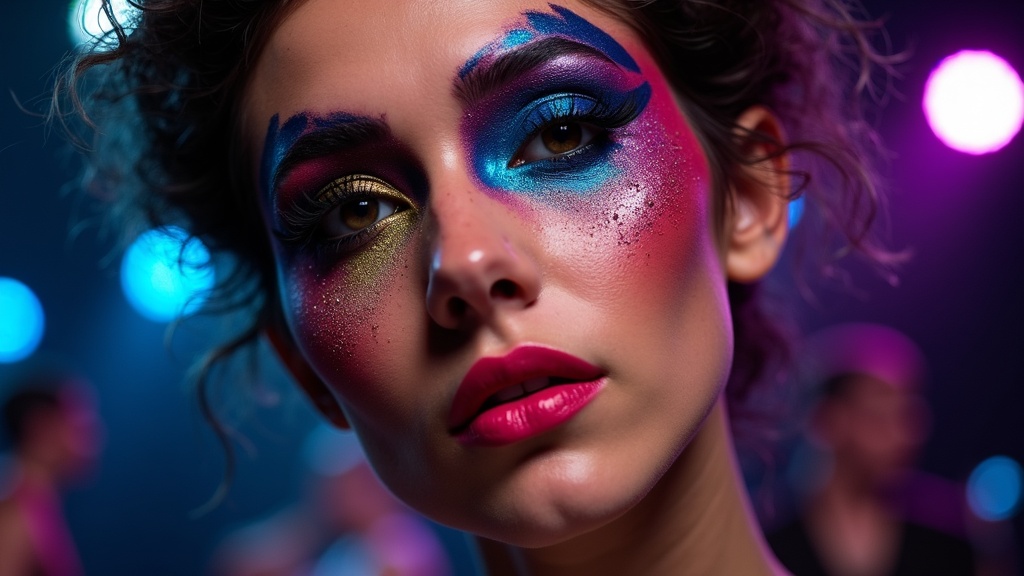
- Pop and electronic music: Sometimes artists cover faces in glitter or bold colors to crank up energy, getting a bit of that KISS “larger than life” feeling.
- Punk and indie scenes: Face paint shows up at shows or in videos for shock value, or simply to signal that being different is cool.
- Costume and cosplay communities: Festivals, comic cons, and even Halloween parties still feature tons of KISS looks, blurring the line between fan and performer.
KISS’s makeup isn’t tied to just one kind of music. It’s become a way for performers in all styles to say, “This is who I am, and you’re about to experience something wild.” Even Lady Gaga and Janelle Monáe have borrowed from this playbook to add edge to their stage personas.
Going Deeper: What Makes the Makeup Work?
I’ve always thought it’s not just about the shapes or colors KISS chose. The success of their look comes down to a few really smart moves:
- High contrast: Black and white is bold and readable from far away, which is super important for packed arenas.
- Strong shapes: Symmetric lines and signature patterns, like Paul Stanley’s star, make each face instantly recognizable.
- Simplicity plus drama: The designs look complex, but you can sketch them with a marker, making it easy for fans to copy at home.
- Consistency: The band stuck with their looks for decades, so fans knew exactly what to expect every time the curtain dropped.
This combo turned four regular guys into superhero-like icons and set up a blueprint for every artist wanting to make a statement. I’ve seen punk bands use bright red instead of black, or electronic DJs swap in neon, but the idea pretty much always comes back to those KISS basics.
How Other Artists Adapted the Look
The makeup blueprint spread fast and bands in all sorts of genres picked and mixed KISS elements to shape their stage personas:
- Marilyn Manson uses creepy, exaggerated face paint to project shock and challenge norms.
- Insane Clown Posse run with clown inspired makeup, dialing up the cartoon factor but relying on black and white faces to create an instant vibe.
- JPop and KPop groups sometimes use dramatic eye makeup (think bold stripes or color patches) in music videos when a video calls for more drama.
- Festival acts from EDM to world music feature body paint and masks that clearly tap into that same need for transformation and spectacle.
What I keep seeing is that it’s not about copying the exact design; it’s more about grabbing the idea that makeup unlocks a kind of alter ego and gives a little “permission” to get weird. This makes gigs more memorable for the crowd and fun for the people onstage too.
KISS Makeup in Music Videos and Merch
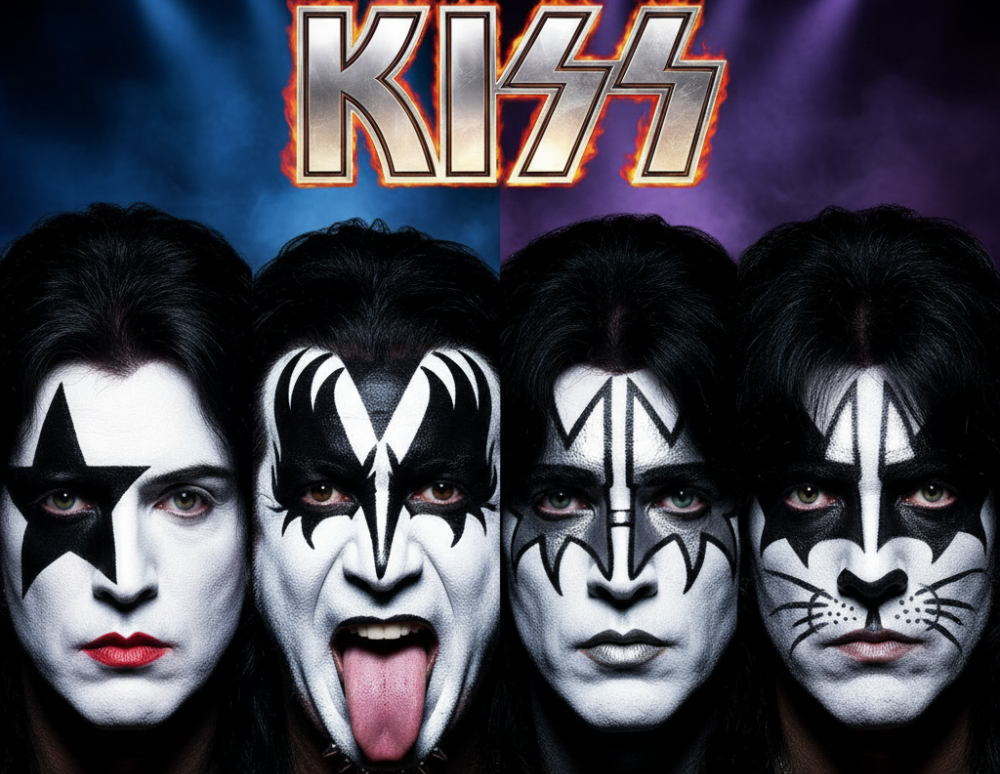
Music videos pushed KISS makeup into a new spotlight. The visual style helps tell the “story” of the band even before you hear the music. In the 80s and beyond, whenever you see a band slide into black eyeliner, glitter, and face paint, KISS probably played a part in setting up that visual shortcut.
This goes double for band merch. From comic books to lunchboxes to action figures, KISS’s painted faces have sold millions in products. Their faces are a shortcut for “rebellion” or “rock and roll” in pop culture, which is why you still see those black stars and cat whiskers on everything from skateboards to sneakers to smartphone cases.
Tips for Using Face Paint to Shape a Musical Identity
I get a lot of questions from friends in local bands asking how or if they should use face paint. Here are a few things I tell them that KISS pretty much proved over the years:
- Pick something that’s easy to repeat
Consistency matters if you want fans to remember you the second you walk onstage. - Blend old with new
Borrow a little from KISS, but change it up; use different colors, materials, or patterns so you create your own twist. - Go bold or go home
Subtle makeup fades under stage lights. High contrast is way easier to see and photograph. - Think about how it works with your music
The look should fit the vibe – if your band is all about positive energy, maybe go with glitter and color instead of dark lines.
For bands starting out, the key is always to make the most of visuals that truly match your music and your message. Don’t just paint your face for shock value; make it count as part of your story.
Common Challenges with Stage Makeup
- Melting under lights: Stage lights can turn even the best face paint into a drip. Waterproof makeup and regular touch-ups keep the look fresh during shows.
- Skin irritation: Some face paints can cause breakouts or rashes. Picking hypoallergenic products and prepping your skin before a show can help.
- Longevity: Not all makeup holds up for a whole concert. Setting powders, sprays, and sweatproof formulas give you a better shot at lasting through the encore.
Spotlight: KISS Makeup in the DIY Scene
The coolest thing is how regular people take KISS’s visual style and adapt it for their own bands, parties, or even just for fun. You don’t need expensive products to copy the basics; a drugstore face paint kit and some creativity are all it takes. Social media has made it easy to share your results, and the comments section is often filled with other music fans offering tweaks and support.
- Fans of punk or metal often go with just one KISS inspired element, like a bold star over one eye or jagged stripes that hint at the Demon or Starchild style.
- Drum circles, parade troupes, and even high school theater programs use similar elements for an instant vibe shift, especially during themed events.
- Some indie performers use face paint to break the ice at bar gigs or parties, making themselves memorable even if you forget the band’s name.
It’s clear that the energy and fun of adding dramatic face paint still brings people together and gives everyone a shot at expressing their unique spin on music and performance. Even kids at carnivals or fans tailgating before a show want to try out their version of a KISS look—it’s that lasting.
Frequently Asked Questions
How did KISS come up with their iconic makeup?
The original members designed their own looks based on things that reflected their personalities. Gene Simmons wanted to be a demon, Paul Stanley was drawn to stars, Ace Frehley loved outer space, and Peter Criss leaned into a cat persona. They took inspiration from comic books, kabuki theater, and glam artists they looked up to.
Is KISS makeup hard to replicate?
It looks complicated but the shapes are repeatable and mostly simple. Plenty of fans try it at home for fun, and some makeup brands even sell KISS themed kits to make it easier.
What other bands are inspired by KISS’s visual style?
Famous examples include Ghost, Twisted Sister, Marilyn Manson, Insane Clown Posse, and numerous tribute or parody groups. Even outside of rock, you’ll find artists in hip-hop and electronic music borrowing aspects of KISS’s bold stage look.
What KISS Makeup Taught the Music World
KISS proved that having a strong, repeatable visual style can turn a good band into a movement people want to join. What started as a wild gimmick evolved into a playbook for artists way outside of hard rock. Their face paint influenced everything from punk and metal subcultures to the biggest pop acts and festival performers, reminding us that the way you present yourself can be just as powerful as the music you play. Keeping your style bold and consistent is still a smart way to stick in people’s minds, whether onstage, online, or wherever you want your music to be remembered.