
Metal music stands out as a genre that feels like a vast maze brimming with sound, energy, and attitude. Over the years, I’ve spent countless hours picking through all sorts of metal bands, chasing the spectrum from power metal’s soaring vocals to death metal’s thunderous growls. Death metal isn’t really my go-to, but I absolutely understand its huge appeal. With so many subgenres out there, figuring out what makes each one tick really helps you find music that sparks something inside you.
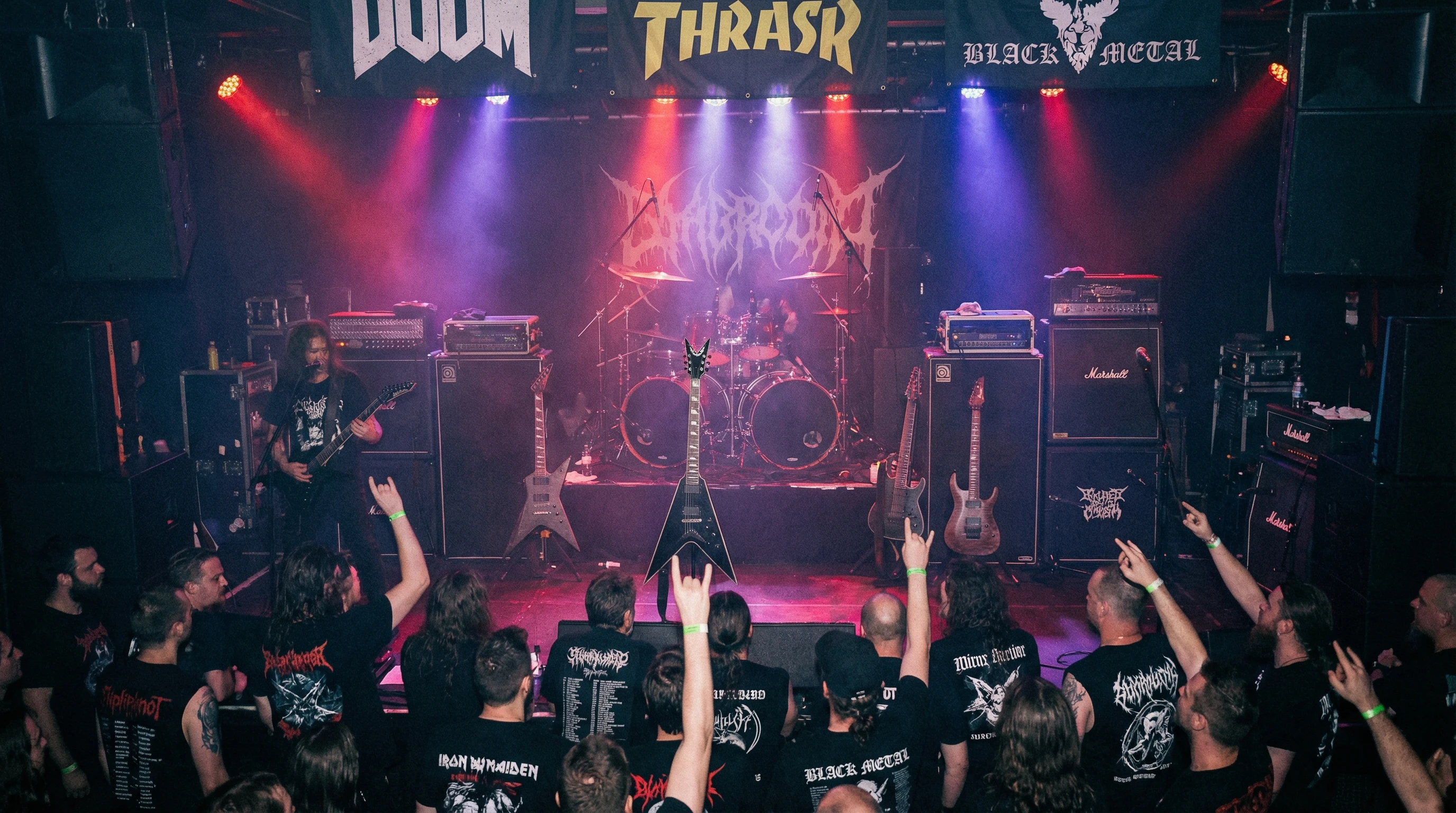
Getting to Know Metal’s Broad Categories and Subgenres
The metal family tree is huge, with every branch packed with its own style, attitude, and vocal flavor. Spotting how these subgenres differ can help you find your way through everything from rapid-fire riffs to melodic choruses or gut-punch growls. Here’s a quick look at how metal branched out and grew so you can get a feel for what might grab your ear.
Metal’s roots go back to the late ’60s and early ’70s, branching out from heavy blues rock. As bands amped up the aggression, distortion, and speed, fresh subgenres started bubbling up. Each one brought its own techniques, instruments, lyrics, and above all, vocal styles. Some subgenres chase melodies, while others roll out raw power and grittiness. There’s a lot of experimenting, so no matter what you like, there’s probably something here for you.
The Most Popular Metal Subgenres and What They Sound Like
This rundown checks out trending subgenres. If you’re after big, clean vocals and catchy choruses, these might suit your taste. Personally, I’m into bands that let their vocalists shine with real singing instead of non-stop growling or screaming, but there’s plenty to stumble upon.
- Power Metal: Picture epic guitar solos, galloping rhythms, and high, clear vocals. Fantasy themes pop up often, with choruses that just beg you to sing along.
- Speed Metal: It’s speedy, full of zest, with melodic solos. Vocals are usually high and clear but carry a sharp edge.
- Symphonic Metal: This style blends metal with orchestra sounds. Operatic female vocals, large choirs, and sometimes actual orchestras join in.
- Death Metal: Overdriven guitars, quick tempos, and growled or guttural vocals steal the show. The lyrics and delivery aren’t always easy to pick up if you’re new. I’ll admit, this one isn’t a personal favorite of mine.
- Thrash Metal: Bold, fast, and riff-heavy. Vocals can be shouted or clean, but there’s always some grit, matching the frantic pace.
- Doom Metal: Slow-moving, heavy riffs, and a moody atmosphere. Vocals can be deep-clean, melodic, or even ghostly.
- Folk Metal: Marrying metal with folk instruments and melodies. Vocals range from clean singing to shouts or the occasional growl.
Big Features of Metal Subgenres
Spotting each subgenre gets easier with a little practice. Here’s what jumps out at me about each:
- Power Metal: Fast tempos, soaring vocals, melodic leads, and fantasy-inspired lyrics.
- Speed Metal: Rapid-fire riffs, clean vocals, simple lyrics compared to power or progressive metal.
- Symphonic Metal: Orchestral elements, stacked vocals, and a theatrical feel throughout.
- Death Metal: Heavy distortion, blast beat drumming, deeply growled vocals, and often dark, violent lyrics.
- Thrash Metal: Fast guitar picking, shouty vocals, often with themes pointing to politics or frustration.
- Doom Metal: Slower pace, heavy riffs, emotion-packed vocals, and overall dark vibes.
- Folk Metal: Traditional melodies, folk instruments like flutes or bagpipes, and a versatile mix of vocal styles.
These features help listeners spot what band or subgenre they’re hearing—even if it’s new to them. To me, it’s almost always the vocal style that decides if a band lands on my playlists.
Metal Vocal Styles Explained
The voice turns each subgenre into its own beast. Some focus all-in on singing, while others push raw, wild power. Here’s what makes each stand out:
- Clean Vocals: Melodic singing that takes control. Found all over power, symphonic, and some progressive metal. If singing along is your thing, look here.
- Harsh Vocals / Growling: Guttural vocals lead death metal, black metal, and heavier corners of the genre. These are all about power, but I personally appreciate lyrics I can understand.
- Screaming/Shouting: Thrash and hardcore outfits turn to shouts and screams for jolt and emotion. Though intense, there’s still a groove and punch to these styles.
- Operatic Vocals: Symphonic and gothic metal show off classically trained singers, especially women. These voices soar and add massive drama to the mix.
- Folk-Inspired Singing: Folk metal blends storytelling with ear-catching regional singing traditions.
For folks who love technically sharp singers, power metal and symphonic metal pretty much hit the jackpot. These bands keep big performances and catchy melodies right in the spotlight.
Spotlight on Vocal Techniques: What Makes Each Stand Out
Wondering what’s going on behind each style? Here’s a peek at what brings the main approaches to life:
- Power Metal; Vibrato, wide range, tons of energy. Just check out Helloween or Blind Guardian for top examples.
- Symphonic Metal; Operatic power, command over dynamics, and polished pitch. Nightwish and Within Temptation nail these aspects.
- Thrash Metal; Edgy, shouty vocals, sometimes layered chorus shouts to bulk things up.
- Death Metal; Deep, distorted growls using special techniques focused on intensity above all else. There’s a real skill to it, even if it’s not for everyone.
- Doom Metal; Emotional, often mournful clean vocals that carry serious weight. Candlemass does this style justice.
Learning about these vocal flavors is more than just music trivia—it sheds light on the hours of training and grit vocalists pour in. Mastering a clean or operatic style can take years, just like working up the stamina and power for harsh or growled vocals that can rattle whole venues.
Things to Think About When Exploring Metal Subgenres
Metal can feel like a lot to take in at first. Every band shakes things up, and albums rarely sound alike. If you want to get started, keep these points in mind:
- Personal Preference: If melody and singing pull you in, try power, symphonic, or some folk metal first.
- Lyrics & Themes: Metal lyrics run from fantasy quests to deep poetry or protest. Finding what stories draw you in makes sampling the music a blast.
- Instrumental Style: Some bands focus on wild guitar solos, while others lock in a specific mood—the instruments often serve the vocals perfectly.
- Experimentation: Don’t be shy about checking out styles you wouldn’t expect to like. That’s when you might stumble upon a new favorite band.
I’ve learned that even as I start in one subgenre, curiosity leads me all over the place. Many modern bands love to blend several of these styles, so you’re bound to find surprises as you roam through the genre.
Common Questions About Metal Subgenres
People new to metal often ask a lot of questions. I’ve put together a handful I hear most, especially from folks checking the genre out for the first time.
What’s the difference between power metal and speed metal?
Power metal leans into melodic singing and larger-than-life themes, often using high vocals and colorful stories. Speed metal prioritizes faster riffs and has clear, direct vocals with less of a theatrical flair.
Why can’t I understand the vocals in death metal?
Death metal employs growled or gruff vocals, making lyrics tricky to catch at first. This style amps up raw force and rhythm more than melody. Some live for the vibe, while others prefer something they can sing along with.
Which subgenre should I start with if I like singers with big voices?
Power metal and symphonic metal put dynamic, powerful vocalists front and center. Bands like Nightwish, Kamelot, and HammerFall are a solid place to kick things off if you want soaring choruses and memorable performances.
Wrapping Up: Choosing the Right Metal Subgenres For You
Metal’s huge array of subgenres means there’s a way for just about anyone to connect—whether you’re excited by singalong choruses, wild guitar work, or punchy heaviness. Fans who want melodic, big vocals can’t go wrong with power metal, symphonic metal, or even folk metal. If you crave more intensity, jump into thrash, doom, or explore death metal—even if it’s not everyone’s first choice for vocals. The key is to keep exploring and listening to what hooks you in.
Tracking down your favorite metal bands turns into a real adventure, which is what makes the scene so appealing. Each subgenre spins things a bit differently, so there’s always more to stumble upon if you stay open and keep listening past your comfort zone. There’s never a dull moment for curious ears in the world of metal.