
If you mention hard rock or metal to almost anyone, chances are good KISS pops up somewhere in the conversation. The face paint, wild live shows, and catchy riffs aren’t just classic. They actually helped shape the direction of rock and metal. KISS has been around since the early ’70s, and their impact just keeps echoing through music, pop culture, and the live performance scene.
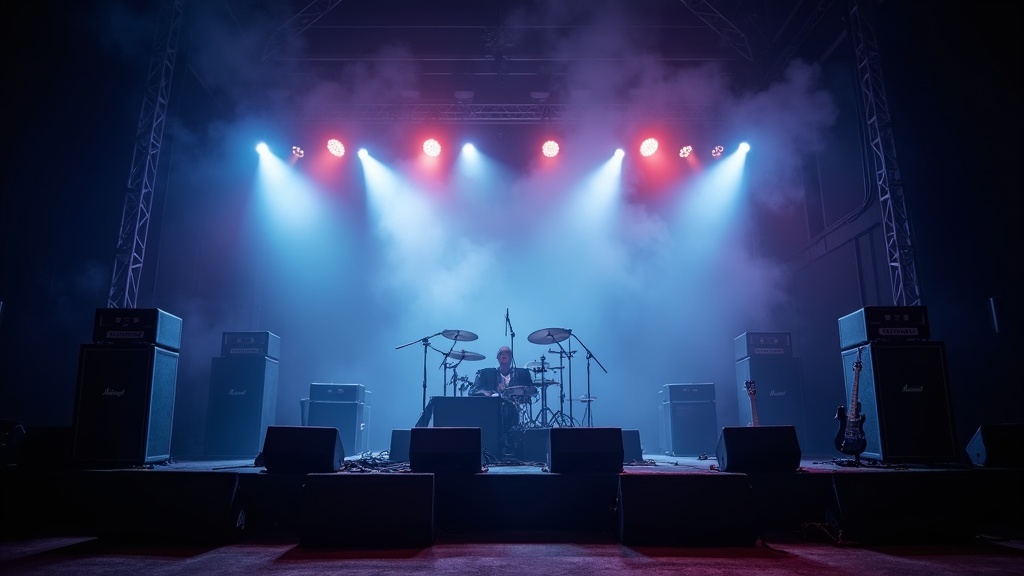
The Foundation: KISS’s Early Influence on Hard Rock and Metal
KISS formed in New York City in 1973, right when hard rock was still finding its style. The band took inspiration from acts like Alice Cooper and the New York Dolls but gave it their own twist. What made KISS different was their blend of gritty riffs, anthemic choruses, and a no-nonsense showmanship. Songs like “Strutter,” “Deuce,” and “Cold Gin” drove out a heavier, more raw energy than much of what was around at the time.
The band’s sound was built on distorted guitars, steady and powerful drums, and punchy vocals. These elements might sound standard for rock now, but in the mid-’70s, KISS’s style set a template for the blend of heaviness and catchy hooks that let hard rock and early metal grow even more strong and inviting.
You can track down KISS’s DNA in the music of plenty of later bands. Artists like Motley Crue, Twisted Sister, and even early Metallica have all pointed out that seeing KISS, either live or on TV, inspired them to pick up guitars or push for bigger sounds and more over-the-top concerts. Their music wasn’t just about volume but about making rock louder, more attention-getting, and unforgettable.
KISS and the Rise of the Live Show
A massive part of KISS’s legacy comes from their concerts. KISS didn’t invent the idea of the dramatic rock show, but they took it farther than anyone had seen before. Fire-breathing, blood-spitting, levitating drums, and explosive effects all became part of what fans expected, not just from KISS, but from all huge rock and metal acts that followed in their wake.
Their 1975 album “Alive!” is a solid example of the live energy they became known for. Recording a live rock album filled with crowd noise and excitement wasn’t new, but KISS made it part of their identity. For bands coming up in the late ‘70s and ‘80s, KISS proved that investing in a wild visual experience wasn’t just for shock value. It was a way to connect with fans and build a reputation fans would never forget.
If you’re into bands like Iron Maiden, Judas Priest, or even Slipknot, you’ve probably spotted bits of KISS’s over-the-top live style somewhere in their shows. KISS set the bar and made it clear: if you wanted to stand out, you had to put on a show worth talking about long after the last encore.
Musical Tools: The KISS Sound That Influenced Generations
One of the most consistent parts of the KISS approach is their knack for straightahead songcraft built around riffs. Simple, punchy power chords blend with memorable lead guitar parts—just check out tracks like “Detroit Rock City” or “Love Gun.” This approach made their music easy to play yet really satisfying for audiences to sing and move along to.
KISS kept their musical structure pretty simple, which influenced punk and some early metal. It told younger musicians they didn’t need fancy gear or advanced theory to make an impact; you just needed to hit hard and write something that stuck.
KISS also brought pop hooks into harder music. Their singalong choruses in songs like “Rock and Roll All Nite” paved the way for glam metal and “hair bands” of the ‘80s. Many of those bands mixed hard rock guitar with big, catchy choruses that could fill arenas, something KISS helped make common practice.
- Riff Simplicity: Catchy, chugging guitar lines became a favorite tool for bands aiming to get crowds moving.
- Arena-Ready Choruses: Loud, unifying lyrics invited big-group participation and cemented the power of audience connection.
- Accessible Song Structures: Musicians without technical backgrounds could easily join in and play.
KISS and Image: More Than Just Face Paint
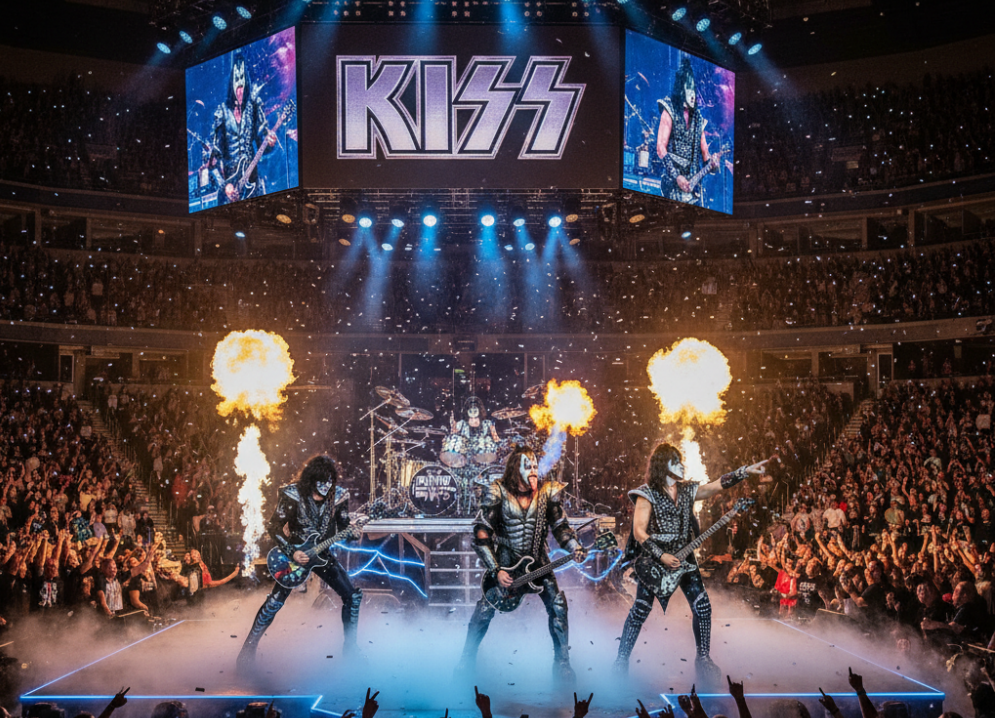
Seeing KISS for the first time is something to remember. The full-face makeup, wild costumes, and platform boots all come together for a visual punch. But it wasn’t just for looks. The visual style helped build a brand that musicians everywhere still study and borrow from today.
KISS showed that your music could be part of a bigger story—something that stretched from the speakers to posters, lunch boxes, and all kinds of collectibles. Plenty of metal and rock bands tried out unique stage outfits and special symbols, but few have managed to stick in people’s minds the way KISS did. Everything about their look was super intentional, and artists from Marilyn Manson to Ghost—even pop stars like Lady Gaga—took notes on building memorable visual identities.
Themes of fantasy, comic book exaggeration, and a playful sense of danger made it engaging for fans of all ages to jump in and have fun. This worldbuilding sense is a big part of why both their music and style have stayed exciting decade after decade.
Challenges on the Road: Criticism and Perseverance
Not everything about KISS’s approach won universal praise. Critics sometimes claimed they were “style over substance” or said the makeup hid basic musicianship. But in spite of all the critics, KISS kept building their empire and sticking to what made them unique.
They leaned into their identity but kept mixing things up to stay fresh. The band even dropped their makeup in the ’80s for a while, letting their music speak for itself, and still scored big hits like “Heaven’s on Fire.” Their success came down to persistence and a willingness to switch things up and stay connected to their roots—a lesson later rock and metal bands paid close attention to.
Dealing with Trends
Music genres changed fast from the ‘70s to the ‘90s. Punk, grunge, and alternative styles rose and fell, but KISS kept their spot in the conversation. They balanced experiments (sometimes pretty unusual ones) with enough of the fun and energy their fans loved. Their ability to endure inspired tons of newer bands to keep pushing, no matter how many times the fashionable style changed.
Navigating Criticism
KISS proved that building a tight community of fans could outweigh pages of bad reviews. Their army of loyal fans, famously known as the “KISS Army,” kept them strong in rough patches. These days, bands all over the world focus on building fanbases, and KISS’s way of showing fan appreciation provided a clear roadmap for creating lasting communities around music.
Advanced Influence: KISS’s Reach Beyond Hard Rock and Metal
KISS’s impact isn’t only inside hard rock and metal circles. Their attitude toward spectacle, fan involvement, and branding has popped up all over music genres, sports, and the broader entertainment world. Even within rock, things like flashy intros, crowd participation, and standout costumes became standard fare—elements KISS helped spotlight from the beginning.
Their anthems turn up in sports arenas and commercials, and their approach to merch changed the game for making music a business. KISS’s willingness to stretch outside the box even reached video games, movies, and celebrity collaborations. Their energy and fun-loving experiments keep drawing in new generations of fans who stumble upon their work in surprising places.
- Merchandising: Turning the band into a brand inspired acts from Metallica to K-pop groups to take their merch more seriously.
- Cross-Genre Inspiration: Musicians and fans in pop, hiphop, and EDM have all nodded to KISS’s wild vibes and unforgettable style.
- Enduring Pop Culture Presence: KISS has shown up in TV, movies, and even memes, letting their look and attitude live on for new generations.
Frequently Asked Questions
Question: How did KISS influence later metal bands?
Answer: Members of bands like Metallica, Pantera, and Anthrax have talked about how KISS’s music and concerts inspired them to pick up instruments and go for bigger, crazier shows. From song structure to killer branding, KISS laid out a game plan for getting noticed and entertaining massive crowds.
Question: Why is KISS’s live show considered so important?
Answer: Before KISS, light shows and pyrotechnics weren’t a big part of concerts. KISS made every concert a spectacle and turned gigs into huge events. Now, many bands aim for the same level of excitement and memorable stage production.
Question: Did KISS really change how bands make money?
Answer: KISS put their brand on everything from toys to comic books, showing musicians how much connecting with fans outside music could give a boost to their influence and earnings. The world of band merch never looked the same afterward.
KISS’s Legacy in Today’s Music World
KISS’s effect on hard rock and metal is easy to pick up on, but it goes even further. Their songs, bold stage style, and larger-than-life branding inspired bands everywhere to play harder, think bigger, and look unforgettable. With every new generation, more bands make use of what KISS started—turning concerts into eye-catching experiences and making music feel larger than notes and lyrics.
The next time you see a blazing light show, a cool band logo, or a guitar solo that seems to unite a crowd, chances are KISS had a role to play somewhere along the line. Their story proves that taking risks, getting creative with imaging and audience connection, and never half-stepping can make waves that last for generations—and that’s worth singing about.
I grew up hearing KISS’s hard rock and metal tracks, and honestly, back then I thought it was just noise ????.
Reading your post gave me a new lens to see how much of that ‘noise’ was actually shaping the future of rock and metal. The way you explained their influence on live shows and branding really stood out. I hadn’t realized how much of today’s concert spectacle traces back to them.
Do you think their simplicity in riffs and choruses was part of why they connected so widely, even with people who weren’t hardcore fans? And in your view, which modern band carries KISS’s legacy most strongly today?
Short answer — yes: KISS’s mix of sonic simplicity and relentless visual/brand clarity is exactly why they connected so widely, and you can still hear and see that playbook in several modern acts — most obviously Ghost, with important echoes in bands like Slipknot, Rob Zombie / Marilyn Manson and arena-ready hard-rock acts that trade on spectacle and big, singable hooks.
Below is a detailed, evidence-backed take you can use as an authoritative reply.
1) Why simplicity mattered
Instant hooks win new listeners. KISS wrote short, riff-driven songs with big choruses that were easy to grasp on first listen. Simple, repetitive riffs and chantable choruses make songs memorable, sing-alongable and radio-friendly — which grows audiences far faster than complexity alone. (Contemporary commentary on KISS’s appeal repeatedly points to the band’s “basic chords and easy sing-along” craft as core to their popularity.) Grantland
Translation to live spectacle. Simple riffs and clear choruses translate perfectly to stadium sing-along moments — the kind of moments KISS built into their show design. When an audience can join a chorus immediately, that track becomes a crowd tool, not just a recorded song. Classic Bands+1
Psychology of taste. Accessibility lowers the barrier to entry: casual fans, kids, and people outside the metal underground can latch on to a riff or chant and become part of the fan culture. Over time that creates cultural momentum and broad brand recognition — exactly what KISS cultivated. Rolling Stone
2) How KISS turned simplicity into a cultural machine
Staging + persona = identity. KISS paired those simple, anthem-style songs with instantly recognizable costumes, makeup and theatrical stunts (pyro, blood, smoking guitars). The combination made the music part of a packaged entertainment product — a show people could describe and bring friends to. Wikipedia+1
Merchandising and brand extension. They monetized their image like few rock acts before them: action figures, lunchboxes, logos, licensing — turning fans’ affection for a simple riff into a durable commercial and cultural franchise. That business model amplified their music’s reach: the songs stayed in people’s heads because the brand was everywhere. (See coverage of KISS as pioneers of band merchandising.) Rolling Stone+1
3) Did simplicity make them “for everyone”? — nuance
Not weak art — strategic clarity. Simplicity ≠ lack of craft. In pop and arena rock, the craft is choosing the single musical idea that will connect and delivering it with conviction. KISS excelled at that.
It’s cultural matchmaking. The same riff that bores a prog fan can excite a thirteen-year-old at their first arena show. KISS deliberately matched their musical choices to a broader entertainment strategy — that’s how they “connected so widely.”
4) Which modern band carries KISS’s legacy most strongly?
I’ll name Ghost as the single best representative today, then give a short list of other heirs and why.
Ghost — the closest heir (musical + theatrical + marketing).
Ghost pairs theatrical personas and anonymity, pop-leaning, melody-first songwriting, and careful stagecraft. Tobias Forge has openly named KISS among early idols; Ghost’s mix of accessible hooks and carefully staged personas mirrors KISS’s playbook (theatrical character, clear melodies, broad mainstream reach). Ghost’s success — mainstream radio placement, big festival slots, and artist collaborations — shows how a KISS-style formula can be adapted for the 21st century. Pitchfork+1
Slipknot — the spectacle and mask lineage.
Slipknot share KISS’s interest in theatrical identity and crowd ritual (masks, uniforms, a strong visual brand). Their music is more extreme, and they take a different aesthetic and cultural posture, but the idea of a band as a larger-than-life visual machine is a through-line. Corey Taylor and other members have spoken about the importance of stage persona and spectacle in ways that echo KISS’s priorities, even as Slipknot’s ambitions are darker and more aggressive. BLABBERMOUTH.NET+1
Rob Zombie / Marilyn Manson — shock and horror theater.
These artists adapted theatricality and branding into shock-horror aesthetics and strong merchandising / film crossovers. Like KISS, they turn an identifiable image into broader cultural currency; they differ by leaning into horror and transgression rather than glam spectacle. Alice Cooper Echive
Arena rock and glam-influenced acts (general).
Many contemporary stadium acts use the KISS rulebook: a single, memorable riff or hook, visual signature, and merch-friendly iconography. You see that model across modern hard-rock and metal that aims for crossover, not just underground respect. Rolling Stone+1
5) Practical takeaway you can quote
“Yes — KISS’s simplicity in riffs and choruses was a major part of why they reached so many people. It made songs immediate and shareable; paired with their theatrical staging and aggressive branding, it created a cultural engine. Today you can see that engine at work most cleanly in Ghost (melodic songs + persona + theatrical marketing), with other major acts echoing the mask-and-spectacle lineage in different directions (Slipknot, Rob Zombie, Marilyn Manson).” Pitchfork+1
6) If someone pushes back
If a reader says “But KISS weren’t a great technical band,” reply: technical virtuosity is only one axis of musical value. KISS’s clear aim was communal spectacle and anthem writing; judged on that axis, they were exceptionally effective. Their influence isn’t just musical technique — it’s how rock could be packaged, merchandised, and staged as a mass entertainment form.
This is a fantastic deep dive into KISS’s massive and long-lasting impact on hard rock, metal, and the entire entertainment landscape. I love how you highlight not just their music, but the way they reshaped the idea of what a live show could be—turning concerts into full-blown events that bands still try to match today. Your breakdown of their riff-driven songwriting, arena-ready choruses, and accessible structures really shows why KISS inspired so many young musicians to pick up guitars. The sections on image, branding, and fan engagement are especially strong, reminding readers that KISS changed the business of music as much as the sound. This post does a great job capturing how their larger-than-life attitude continues to fuel everything from metal theatrics to pop spectacle. A fun, insightful, and well-researched read.