
Christian metal offers a unique blend of heavy sound and faith-driven meaning. While the guitars and drums might draw you in, I’ve found that it’s often the lyrics that keep people coming back. In this article, I’m sharing how lyrics play a huge part in Christian metal, helping bands spread the gospel message in ways that stick with fans well after the music fades.
The Power of Metal Music as a Platform
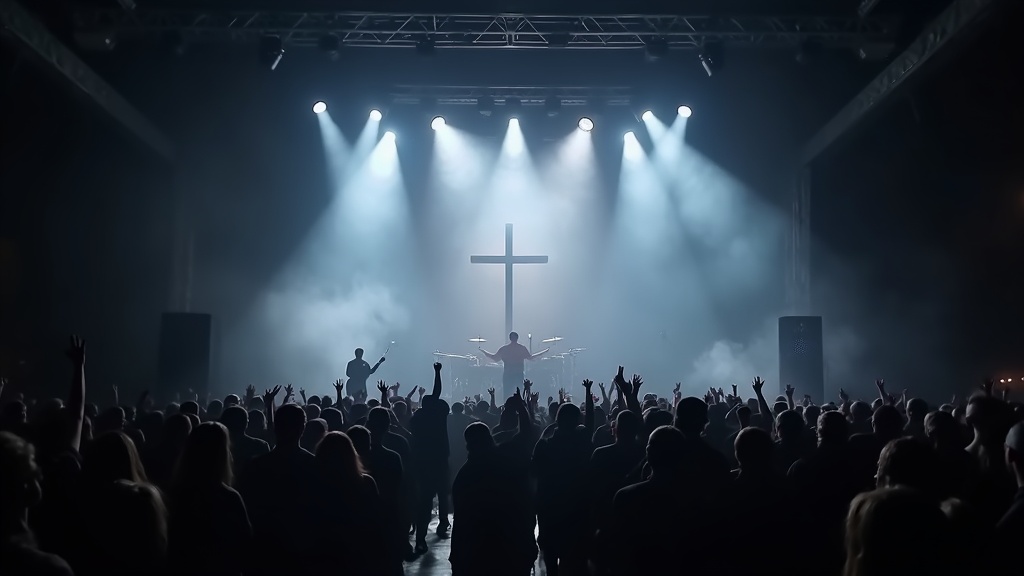
Metal music is bold, intense, and full of energy. That kind of power grabs attention fast. When you listen to metal, you’re not just hearing noise. There’s often a deep message at play, especially in Christian metal. This genre brings heavy music together with bold faith-driven lyrics, creating a space where beliefs can get shared in a pretty powerful way.
The global metal community is massive, stretching from tiny clubs in local towns to massive festivals in Europe, South America, and beyond. Christian metal bands get to step into this scene and use the genre’s energy to reach audiences who might never set foot in a church. With the volume cranked up and the crowd’s energy high, lyrics can have a direct, sometimes surprising, impact.
Why Lyrics Matter in Christian Metal
Christian metal lyrics go way past simple storytelling. These words are carefully thought out by bands who want to connect deeply with listeners. For many fans, metal lyrics have a wild honesty that makes tough questions about faith, hope, and life something you can talk about openly. This openness can lead listeners to reflect on bigger topics or find encouragement in hard times.
- Real-life Stories: Lyrics often pull from real personal experiences. Loss, doubt, redemption, and faith turn regular moments into memorable messages.
- Biblical References: Many songs weave in direct Bible verses or references to famous parables, making scriptural themes more relatable for fans new to the faith.
- Questions and Struggles: Christian metal bands aren’t afraid to wrestle with doubts or ask hard questions, which is part of what makes their lyrics easy to connect with.
How Christian Metal Bands Write Gospel-Centered Lyrics
Writing lyrics for Christian metal isn’t about just putting a Bible verse over heavy riffs. There’s an art to making sure the message fits the emotion behind the music. Most bands I’ve followed take inspiration from their faith adventures, daily struggles, and classic passages from scripture. Here’s how they usually build a gospel-centered song:
- Find a Core Message: This could be about hope, redemption, forgiveness, or overcoming struggles. Picking a theme keeps the lyrics focused.
- Use Honest Language: Bands often skip church jargon. They’ll speak plainly about real emotions like anger or hope.
- Look to Scripture: It’s common to mix in lines or themes from the Bible, sometimes making the lyrics almost a form of modern day psalms.
- Shape the Story: Each verse tells a part of the story, building toward a chorus that drives home the main message—usually a reminder of hope found in Christ.
This style of lyric writing lets people hear the gospel in a fresh, personal way, even if they’re just headbanging in the crowd.
Big Topics Covered in Christian Metal Lyrics
Christian metal addresses a huge range of topics, giving fans lyrics that challenge, encourage, and sometimes even comfort. Some of the most common themes I’ve seen include:
- Struggle and Redemption: Heavy music is perfect for expressing struggle, but these songs nearly always point toward redemption and transformation.
- Hope After Darkness: Many songs talk about going through tough times but finding light on the other side, which mirrors classic gospel stories.
- Justice and Compassion: It’s not just about personal faith; lots of bands sing about social change, caring for the hurting, and standing up for justice.
- Victory in Christ: With metal’s epic sound, declarations of victory and freedom through Jesus feel even bigger and more inspiring.
Lyrics also sometimes touch on themes like forgiveness, inner peace, and unity—important values for both personal growth and community building. Some bands use historical events or parables as metaphors to help listeners track down deeper meanings in their songs. In this way, the music often becomes a channel for ongoing conversation between band and audience.
Lyrical Challenges: Keeping the Message Clear
Mixing faith and metal isn’t always easy. Some listeners prefer lyrics that are subtle and open to interpretation, while others want clear gospel messaging. There’s also the occasional pushback from people inside and outside the church who have trouble seeing how faith and heavy music fit together.
Bands find creative ways to steer through this. Some keep things direct, boldly sharing their testimony or quoting scripture. Others use metaphors and storytelling, making songs that spark curiosity and invite listeners to explore faith on their own terms. No matter the approach, the main goal is always to make sure the message doesn’t get lost in the distortion.
Finding the Balance
Here’s a look at two main approaches bands use:
- Straightforward: Lyrics mention Jesus, salvation, and scripture directly. This approach leaves no doubt about what the band is trying to say.
- Symbolic: Lyrics might talk about light versus darkness, battles, or adventures. The spiritual meaning is there, even if it’s a bit hidden.
Both styles work, but knowing the audience helps bands decide how bold or subtle their lyrics should be.
Impact on Listeners and the Metal Community
I’ve come across countless stories of fans who say Christian metal lyrics helped them through tough times, offered hope, or introduced them to the gospel for the first time. Even people who say they’re not religious sometimes share that the positive, honest lyrics make a difference for them.
Some listeners talk about lyrics that inspire real change. Giving up self-destructive habits, finding strength to get through depression or loss, or simply feeling less alone. The community around Christian metal can be super supportive, with fans and bands often connecting on a personal level about faith and struggles. Bands like For Today, Demon Hunter, and August Burns Red have even seen fans bring friends to shows just to hear the message in the lyrics.
Online forums and social media groups built around Christian metal also let fans support one another. They share song meanings, personal stories, and prayer requests. This digital community keeps the encouragement going long after the concert is over and helps people grow in both their musical taste and their personal faith.
Live Concerts and Worship Experiences
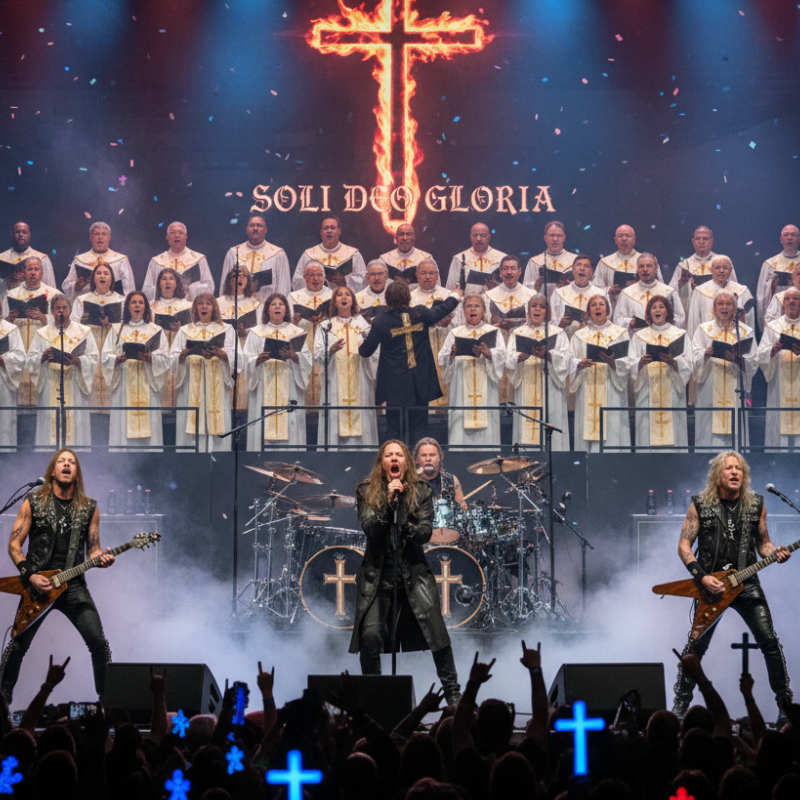
Experiencing Christian metal live is a whole different thing. The lyrics aren’t just words; they become a shared experience, almost like a worship gathering but with a lot more energy. At many shows, there’s a short pause where the vocalist will share the meaning behind a song or even read from the Bible before launching into the next track.
This direct sharing of the gospel can stick with fans for a long time. It’s not rare to see people in the crowd singing along, sometimes with tears in their eyes, finding comfort in knowing others wrestle with the same things they do.
Some Christian metal festivals now include short messages from speakers or group prayers, making these events not just concerts but faith-filled celebrations. These moments allow fans and musicians alike to feel part of something bigger—a movement that celebrates both musical skill and spiritual conviction. In this way, the lyrics take on new meaning when experienced surrounded by others who share your values and passion for the music.
Helpful Tips for Writing Impactful Christian Metal Lyrics
If you’re interested in writing lyrics for Christian metal, here are a few tips that come from watching bands craft their message:
- Be Honest: Write about your real experiences. Authenticity makes lyrics much more relatable.
- Don’t Overcomplicate: Simple language hits home more than complicated phrases.
- Read and Reflect: Spend time with scripture and let your songwriting grow from real faith moments.
- Know Your Audience: Find the right balance between direct and symbolic language, depending on who you want to reach.
- Stay Encouraging: Even when writing about dark subjects, end on a note of hope or transformation.
And don’t be afraid to experiment with structure or try blending different genres to keep things fresh. Collaborate with other musicians or lyricists to get new perspectives and ideas. Most importantly, keep your purpose in mind—writing lyrics that both sound good and offer something meaningful to listeners.
Frequently Asked Questions
Here are some common questions people have about Christian metal lyrics:
Do bands have to use explicit Christian imagery in their lyrics to be considered Christian metal?
Answer: Not always. Some bands use direct biblical references, while others weave faith-based themes into their stories without being as overt.
Can Christian metal lyrics be for people who don’t believe?
Answer: Absolutely. The honesty and hope in Christian metal often connect with people of all backgrounds.
What’s the best way to get started writing Christian metal lyrics?
Answer: Draw from your personal experiences, read scripture for inspiration, and try writing from the heart about what you’re going through.
Looking Ahead: The Ongoing Glow-Up of Christian Metal Lyrics
Christian metal lyrics keep growing and adapting as new bands join the scene and audiences change. Writers keep finding new ways to make faith feel relevant by merging old messages with modern sounds. Through all the changes, sharing encouragement, honesty, and the gospel remains super important to this style of music.
For anyone searching for faith-filled hope mixed with an unforgettable sound, Christian metal delivers both. Loud and clear.
Christian metal lyrics are powerful because they mix the honesty and intensity of metal with messages of hope, faith, and redemption. What I like most is that these bands aren’t afraid to talk about real struggles, doubt, pain, and inner battles, while still pointing listeners toward encouragement and Christ-centred themes. Whether the lyrics are direct or more symbolic, they give people something meaningful to hold onto and often reach fans who might not hear the gospel in traditional ways.
Keep up the good work!
This post does a fantastic job showing how powerful and meaningful Christian metal can be when the lyrics take center stage. I appreciate how you highlight the genre’s ability to blend bold, hard-hitting music with messages of hope, redemption, and honesty. Your breakdown of how bands craft gospel-centered lyrics—balancing raw emotion, scripture, and storytelling—shows just how intentional and thoughtful the writing process is. I especially love the emphasis on real-life struggles and spiritual themes, which help listeners feel understood and uplifted. The section on how fans connect with the lyrics, both at concerts and online, really captures the heart of the community surrounding Christian metal. It’s inspiring to see how these songs offer comfort, spark conversations about faith, and even lead to personal transformation. This piece truly honors the impact lyrics can have in a genre known for its intensity.
Thank you Adam for this masterful series.
In addition to your analysis of a musical genre, you give a map of the electric liturgy, where faith roars and comforts.
Through each extract, I felt the heart beat of a movement that fears neither doubt, nor pain, nor distortion.
A movement where the words confess, cross and transform.
You show us that Christian Metal is not a paradox, but a sonic incarnation of the Gospel,
where the cross stands between two amps,
and where cries become prayers.
Thank you for this transmission which reminds us that faith can be shouted without being lost,
and that even in chaos, the verb can find its way.
As someone who sings hymnals, country gospel, and even contemporary Christian songs, I really connected with your point about lyrics being the heart of Christian metal. For me, what makes a song truly Christian isn’t the style but the message. Whether it’s a simple hymn or a heavy metal anthem, if the lyrics point directly to Jesus and His sacrifice, then it’s fulfilling its purpose.
I appreciate how you showed that Christian metal can carry the gospel with the same clarity and conviction as any other genre. Do you think the boldness of metal actually helps the message stand out even more in today’s music culture?
Metal’s boldness can help the Christian message stand out — not because loudness or distortion make truth truer, but because the genre’s intensity, emotional honesty, and cultural distinctiveness create powerful vehicles for clear, urgent gospel language. When the theology is sound and the lyrics intelligible, metal’s force amplifies conviction and reaches people other styles won’t reach.
Why lyrics are the heart (the theological / practical case)
The New Testament focus: Christian music’s purpose is proclamation, teaching, worship, and formation. Words carry doctrine, call people to repentance, and name the gospel. Style is servant to content.
Scripture and clarity: Clear, Christ-centered language that points to Jesus’ person and work is what makes a song “Christian” in a substantive sense — not instrumentation or cultural packaging.
Memory and catechesis: Music lodges truth in memory. Strong, repeatable lyrics teach theology and shape devotion over time.
Why metal’s boldness helps the message
Attention and contrast. In a crowded media landscape, aggressive dynamics and unusual textures cut through apathy. That contrast can make gospel statements land with weight.
Emotional authenticity. Metal commonly communicates grappling, anger, grief, and longing — emotions that honest gospel songs need to address. The genre’s palette fits lament and deliverance narratives well.
Cultural access. Metal opens doors to subcultures where traditional worship or contemporary CCM may not be heard. It’s a contextual tool for mission.
Aesthetic metaphor. Heavy riffs, tension/release, and cathartic breakdowns can mirror spiritual realities (struggle with sin, the cross, victory, lament to resurrection).
Community identity. For people who resonate with heavier music, hearing the gospel in that idiom reduces cultural barriers and increases credibility.
Conditions for effectiveness — what must be true
Lyrical clarity. Aggressive music often obscures words; mix and arrangement must support intelligibility. If the message is garbled by production, the point is lost.
Theological integrity. Bold affect is no substitute for right doctrine. Clear Christ-centered theology (incarnation, atonement, resurrection, grace) must anchor the lyrics.
Intentional pastoral sensitivity. Metal can be raw; the lyrics should shepherd (call, comfort, exhort) rather than only provoke.
Context awareness. A stadium-level metal track may not fit corporate liturgy; know the venue (concert, youth group, private worship).
Practical advice for artists and worship leaders
Write with theological anchors. Start with a biblical truth or passage; build the song’s arc around confession → confrontation → Christ’s work → response.
Prioritize diction in the mix. Use vocal placement, doubling, strategic clean sections, or shout/chant lines to reinforce key phrases so listeners can sing and remember them.
Use dynamics for preaching. Contrast clean verses with crushing choruses so the theological climax hits at the right moment.
Balance ambiguity and specificity. Poetic language invites reflection, but include unmistakable gospel lines (e.g., mention Christ, cross, resurrection, grace) so listeners know the gospel content.
Consider multiple entry points. Not every listener will decode a long theological bridge; include a short, memorable hook that encapsulates the gospel claim.
Be pastoral on stage. Between songs, invite, pray, or briefly explain the message so the audience can connect music to faith.
Test with your community. Play songs for trusted listeners from different backgrounds to confirm clarity and pastoral tone.
Uses where metal particularly shines
Evangelistic concerts aimed at subcultural audiences.
Youth and young adult ministries where heavy music is culturally relevant.
Songs for lament and deliverance — addressing real brokenness, anger, and addiction.
Personal formation — for listeners who need intensity to process spiritual wrestling.
Pitfalls to avoid
Shock without substance. Extreme aesthetics that attract attention but lack gospel content can mislead.
Unclear vocals/production. If nobody can sing or hear the words, the mission fails.
Triumphalism that ignores suffering. Metal’s catharsis should not paper over real pain; gospel truth meets suffering honestly.
Alienating the church family. Using metal in corporate worship requires sensitivity to a congregation’s capacity and liturgical expectations.
Final encouragement
You nailed the key truth: style is secondary to message. When metal is used with theological seriousness, musical craft, and pastoral care, its boldness becomes a powerful amplifier for the gospel — proclaiming Jesus with clarity, urgency, and authenticity to people who might never hear the message in another idiom. Keep writing and singing with that priority: let the lyrics point to Christ, and let the music serve the proclamation. If you’d like, I can help analyze a set of lyrics or suggest arrangement choices to make a specific song’s message land more clearly.