
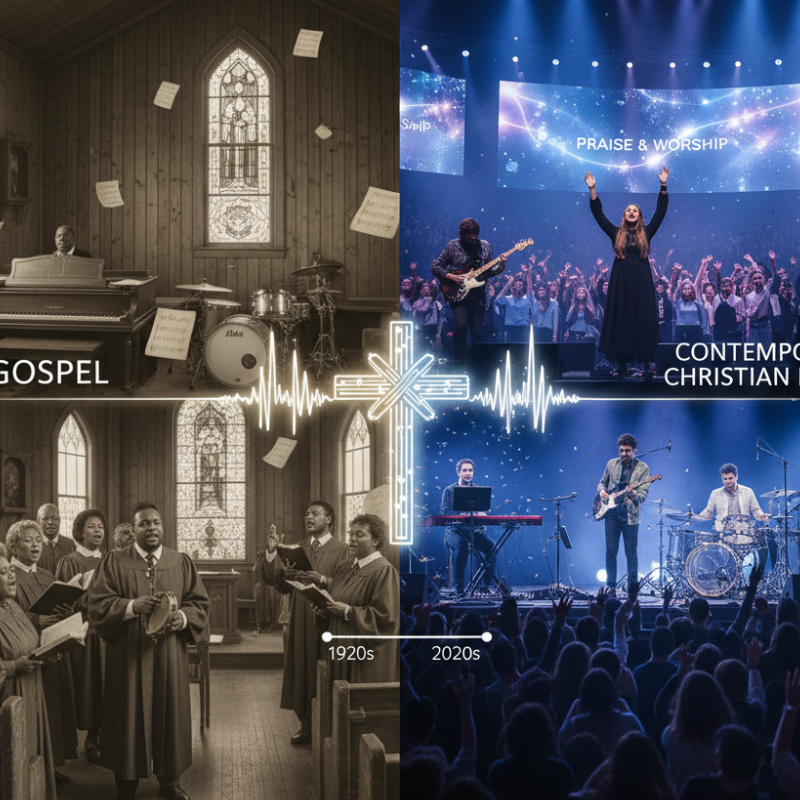
Gospel music has a rich and soulful history that’s steeped in tradition, culture, and unity. This genre, rooted in African-American spirituals and hymns, has played a significant role in shaping not just music but entire community identities. The tapestry of gospel is woven with call-and-response chants, heartfelt lyrics, and spirited rhythms that reflect a deep connection to faith and resilience.
Mahalia Jackson and Thomas A. Dorsey stand as titans in this genre, pioneering a sound that merged religious fervor with musical innovation. Mahalia’s powerful voice transcended the boundaries of gospel, influencing numerous artists across various genres. Her performances went beyond entertainment; they were profound expressions of faith and humanity. Meanwhile, Dorsey, often hailed as the “Father of Gospel Music,” brought jazz and blues into the hymnal, creating compositions that remain classics even today.
The transition from old-school gospel to modern Christian sounds paved the way for artists like the Gaithers. Bill and Gloria Gaither embraced the old while innovating with the new. They introduced harmonies that echoed traditional gospel but with a fresh perspective. Their approach resonated with audiences, bridging the generations and setting a vital foundation for the contemporary Christian genre we know today.
Gaithers’ Harmonious Impact: A Legacy of Sound and Faith
Bill and Gloria Gaither have been trailblazers in the world of gospel music, creating timeless melodies that resonate with deep spiritual significance. Their journey in music is less about fame and more about a sincere devotion to faith and community, seamlessly blending traditional sounds with modern influences.
The Gaither Vocal Band, under their guidance, became a phenomenon that fused classic gospel harmonies with a contemporary twist. This blend opened new doors for the genre, appealing to both traditional audiences and newer generations looking for relatable expressions of faith. Through their concerts and recordings, the Gaithers have built a community where music serves as a bridge connecting people of diverse backgrounds.
Their influence extends beyond music; it’s about uplifting communities through song and spirit. Many contemporary artists have drawn inspiration from the Gaithers’ ability to keep their sound fresh while staying true to their roots. This adaptability makes their music timeless and a staple in households across the globe, proving that genuine artistry and faith resonate timelessly.
The Gaithers have mentored numerous musicians, providing a platform for emerging artists to shine. Young talents discover that it’s possible to honor tradition while crafting something uniquely theirs, thanks to the Gaithers’ approach. This legacy of passing the torch ensures that the harmonious sounds of gospel continue to evolve, inspiring each new wave of Christian artists.
Point of Grace: Embracing Change with Melodic Consistency
Point of Grace emerged onto the scene as a fresh voice within the Christian music landscape, bringing with them a commitment to harmonious melodies and relatable lyrics. Known for their tight vocal harmonies and heartfelt messages, they carved out a niche that resonated widely within both the Christian and pop music scenes.
The group’s journey reflects a seamless transition from traditional gospel roots to an appealing pop sound that hasn’t lost its core spiritual focus. This shift didn’t just happen overnight but evolved as they responded to the changing tides of the music industry and the spiritual needs of their audience. Their ability to adapt musically while maintaining a consistent focus on faith and community earned them a devoted following.
Point of Grace has been instrumental in opening doors for women in the genre, challenging the norms and expectations once predominantly male-dominated. Through their music and message, they’ve championed issues like women’s empowerment, faith-based community building, and personal growth, inspiring many upcoming female artists to pursue their unique sound in Christian music.
Their influence extends as they continue to reach new audiences with a message that boldly embraces love, faith, and hope. By balancing tradition with modern sounds, Point of Grace offers a blueprint for artists today: evolve with the times while holding onto the message that first inspired their journey.
Bridging the Gap: Inspirations and Legacies of Key Transformative Artists
The transition from traditional gospel to modern Christian music is shaped by the innovative spirit of artists who aren’t afraid to blend old and new sounds. Early pioneers like Mahalia Jackson and Thomas A. Dorsey laid the groundwork, which subsequent artists have artfully built upon.
Contemporary artists such as Lauren Daigle and Third Day have drawn heavily from these early influences. Their music reflects a modern twist while holding onto the essence of gospel. Lauren Daigle’s soulful voice and emotive delivery echo the passionate expressions found in traditional spirituals. Meanwhile, Third Day’s rock edge marries biblical messages with vibrant instrumentation.
Artistic evolution often means finding new avenues to express timeless truths. These musicians excel at adapting the core tenets of gospel to fit contemporary sounds. This adaptive process isn’t just about altering beats or styles—it’s about translating the powerful messages of hope and redemption into a language today’s audiences understand.
By honoring the past while innovating for the future, these artists create a bridge that links generations. Modern musicians learn from the passion and mission that guided their predecessors, ensuring the message remains as powerful today as it was then. This continuity embodies the dynamic progression of Christian music, offering lessons on staying true to one’s roots while embracing change.
Current Voices, Future Sounds: The Continuing Evolution of Christian Music
Contemporary Christian music is a landscape rich with diversity and innovation, propelled by artists like Lauren Daigle and Third Day. These musicians have pushed boundaries while staying true to the central messages of faith, hope, and love. Their ability to meld gospel’s emotional depth with modern styles creates a dynamic sound uniquely suited for today’s audiences.
The infusion of modern technology into the music creation process has opened doors to global collaborations, allowing artists to experiment with diverse sounds and genres. This technological progress doesn’t dilute the message; it amplifies it, reaching broader audiences and engaging listeners who might never have encountered gospel music before.
Cultural influences seep into Christian music, enriching it with global sounds and rhythms. As artists incorporate elements from various musical traditions, they craft songs that resonate across borders and cultures, uniting listeners under a shared message of faith and humanity.
Looking to the future, the possibilities for Christian music are vast. Artists will continue to explore new musical territories while keeping the genre’s heart—the message of spirituality and connection—intact. As the world changes, music will remain a constant, adapting to reflect the times while preserving the spiritual essence that has defined the genre for generations.
The journey of Christian music is one of continuous evolution. It invites listeners and creators alike to explore and engage, ensuring that whether through hymnals or pop anthems, the soul of gospel music lives on, ever relevant and ever resonant with the human experience.