
Learning blues guitar can be truly rewarding, even if you’re just starting out. There’s a special sound and feeling in the blues that’s totally unique. If you’re new to guitar, getting that classic blues vibe might seem a bit tricky at first. However, with a bit of focused practice, you can definitely get there. Below, I’ve collected some tips and ideas that can help you make solid progress and actually start enjoying those soulful sounds.
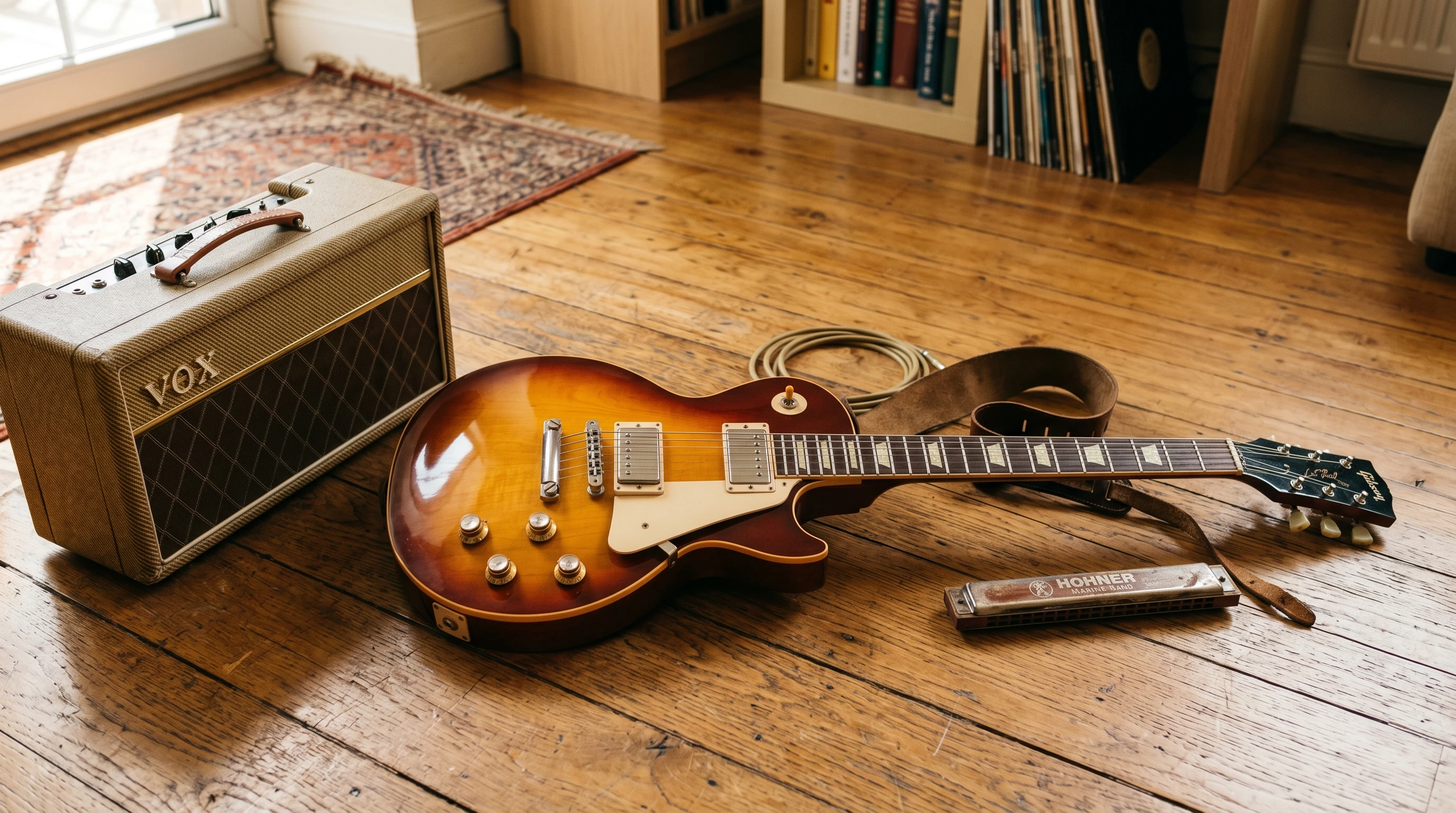
Understanding the Basics of Blues Guitar
It’s really important to become familiar with what sets blues guitar apart from other styles. Blues music blends feeling, technique, and a bit of creative improvisation. One thing I noticed early on when I started playing blues is how crucial rhythm and phrasing are. It’s less about playing a ton of notes, and more about choosing the right notes and playing them your way.
Most classic blues songs follow a twelve-bar structure, using a repeating chord sequence over twelve measures. Getting comfortable with this pattern is one of the best routes to mastering the style. You’ll spot this structure in loads of blues classics, so once you can recognize it, you’ll start seeing it pop up all around.
- Common Blues Chords: Begin with basic open chords like E, A, and D, then try their “seventh” versions: E7, A7, D7. These bring out a more “bluesy” vibe.
- Shuffle Rhythm: This is the heartbeat of blues. Practice switching between single notes and slightly swinging the rhythm for a laid-back groove.
- Bends and Slides: These techniques add expression to your playing. Even sliding into a chord or bending a note can bring a lot more interest to your sound.
First Steps: Building a Solid Foundation
Picking up a blues guitar for the first time is exciting. It helps to go slow and focus on the basics. Rushing can make things more confusing later. I found that taking extra care to get clean chord transitions and nailing your timing pays off big time when you move forward.
- Learn Basic Blues Progressions: Get familiar with the 12-bar blues pattern in the key of E or A. Repeat it until you can play it smoothly without much effort.
- Practice Consistently: Short, regular practice beats one long session any day. Even 15–20 minutes of focused playing every day adds up quickly.
- Listen to the Classics: Checking out artists like B.B. King, Stevie Ray Vaughan, and Muddy Waters helps you get a sense for real blues phrasing and tone. You’ll also notice common patterns and licks.
- Use a Metronome: Good timing is crucial for blues. Practicing with a metronome or a backing track really locks in your rhythm and helps you groove with others.
Common Challenges for Beginners (and How to Get Past Them)
Starting something new always comes with challenges and blues guitar is no different. Here are a few common issues and some solutions:
- Sore Fingers or Hand Fatigue: Everybody faces this at first. Make sure your guitar setup is comfortable and take breaks when necessary. Your hands build up strength over time if you keep at it.
- Timing Issues: Many new players speed up between chords or slow down when things get tough. Practicing slowly and gradually picking up speed helps a lot.
- Boredom from Repetition: Playing the same progression can get dull, but it’s repeating these patterns that lead to improvement. Keep things interesting by adding new licks or improvising along with a backing track.
- Not Sounding “Bluesy” Enough: If your playing sounds too stiff, use slides, bends, and vibrato. Copying simple licks from your favorite blues records by ear really helps you nail that classic feel.
Dealing with Sore Fingers
Tough fingertips come from sticking with it. Daily play will build up calluses, and soon it’ll be much easier. Lighter gauge strings or lower action on your guitar can help minimize discomfort when you’re starting out.
Timing and Rhythm
Solid timekeeping is vital. Tapping your foot as you play, or recording yourself and reflecting on it, helps keep your rhythm in check. You may even hear places where you unintentionally speed up or slow down.
Getting the “Feel” Right
Blues is about emotion, so don’t stress if you don’t sound just like the pros. Play along with recordings, try to inject your own personality, and keep at it. Over time, your playing will naturally get more authentic.
Helpful Gear for Beginner Blues Guitarists
You don’t need expensive equipment to play blues, but a few things make the process a lot smoother:
- Guitar Type: Both electric and acoustic guitars work for learning blues, but the classic electric blues sound comes from guitars with single coil pickups (like a Fender Stratocaster). Acoustic blues has its own raw, punchy vibe worth checking out too.
- Amp and Effects: For electric gear, a basic practice amp with some overdrive or “blues” tone setting is perfect. You don’t need a ton of pedals; a hint of reverb or gain can get you that vintage growl.
- Online Resources and Backing Tracks: Loads of free blues backing tracks and instructional videos are online (sites like YouTube or platforms such as JustinGuitar and GuitarLessons365). Jamming with these is a great confidence booster and helps with learning improvisation.
- Guitar Tuner: Staying in tune is essential. Clipon tuners are easy to use and effective, making sure you’re always ready to practice.
Advanced Tips and Tricks for Blues Guitar
Once you’ve mastered the basic 12-bar blues and can move between chords smoothly, it’s exciting to add new techniques. Here are a few that helped me take things up a notch:
Learn and Use Pentatonic Scales: Most blues solos come from the minor and major pentatonic scales. Start with the first position of the minor pentatonic in A or E. Play over a backing track to hear how they fit with the typical blues progression.
Try Call and Response: Classic blues often feels conversational. Create a “question” phrase, then answer it on your guitar. This makes your solos sound more complete and less random.
Record Yourself: Saving your practice and listening later helps you catch things like timing or phrasing you might want to improve. It’s a great way to track your growth over time.
Improvise Regularly: Since blues thrives on improvisation, spend a few minutes every session making up melodies or riffs. Rely on your ear and let your instincts guide you—sometimes the best parts come from happy accidents.
Where Can Blues Guitar Skills Take You?
Learning blues guitar lays a strong musical foundation and opens the door to many other styles: rock, country, jazz, and more. Lots of great players started with blues and then branched out, playing everything from classic rock to funk and folk.
- Jamming with Others: Knowing those basic blues progressions lets you step in at open mics or jam sessions. It’s a social adventure; playing with other musicians is a huge part of the fun.
- Songwriting: Many songwriting skills stem from blues, especially catchy riffs and memorable solos.
- Exploring Techniques: Beyond basics, try experimenting with slide guitar, fingerstyle, or collaborating with harmonica players for a full blues ensemble flavor.
Blues guitar isn’t just something you learn; it’s an ongoing adventure that connects you with musical traditions and lets you write your own story.
Frequently Asked Questions
Q: What guitar is best for beginner blues players?
A: Any guitar will work, but many people find electric guitars with single coil pickups (like a Fender Strat or Telecaster) very friendly for blues. If you prefer acoustic, look for a comfortable neck and low string action so playing feels easier.
Q: How long does it take to start playing real blues songs?
A: With daily practice, you can start playing basic blues progressions in just a few weeks. Getting confident with solos and improvising takes a bit longer but is well worth the effort as you go along.
Q: Do I need to read music to play blues guitar?
A: No, not at all! Tab notation and chord charts are much more common for blues. Listening and playing by ear are key skills since so much of the blues is about feel, not just written notes.
Why Sticking with It Pays Off
Patience and enjoying the ride make all the difference when learning blues guitar. Once you find your groove and begin making real music that starts to sound like your favorite artists, it feels genuinely rewarding. There’s no need for piles of gear or a deep technical background to have fun. With steady practice, curiosity, and a willingness to just let loose, you’ll soon be discovering your unique blues voice.
Whether your goal is to jam with friends, write new music, or just play for yourself, blues guitar is a next-level cool way to get there. Invest some time, trust your ears, and before long you’ll be right at home creating those classic grooves and making the music your own.