Country music stands out thanks to its unique sound, rich history, and deeply personal storytelling. Even if you’ve only caught a few country tunes on the radio, it’s easy to notice how different this genre feels compared to pop, rock, or hip hop. I’ve spent a good deal of time listening to and learning about country music, so I wanted to highlight what makes it so special. Here’s a look at the distinctive features that give country music its unmistakable vibe.
The Roots and Origins of Country Music
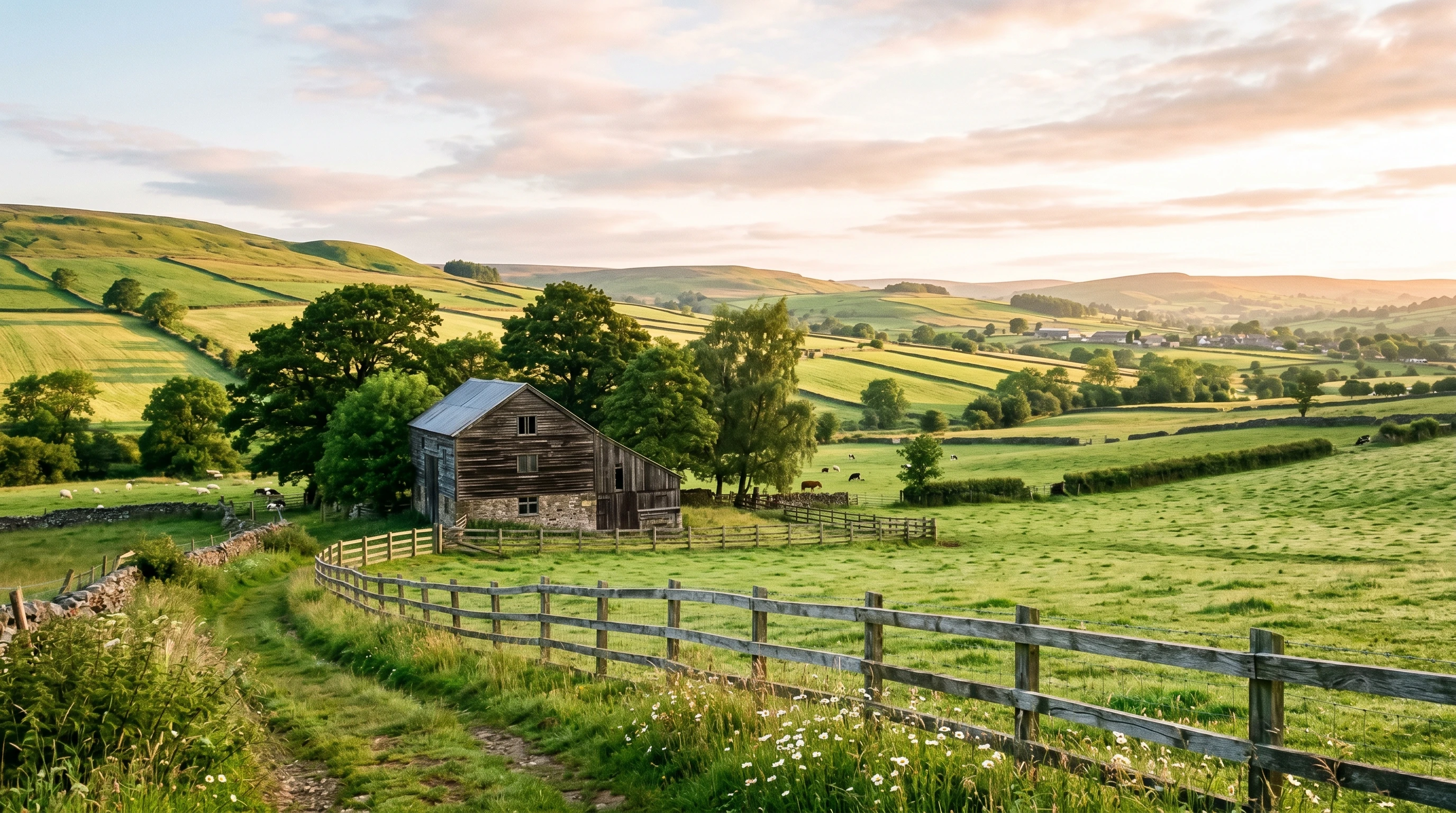
Country music can trace its roots back to the folk songs and dance tunes brought over by immigrants from the British Isles, mixed with blues and spirituals from the American South. It’s a genre shaped by ordinary people telling honest stories. Starting out mostly in rural Appalachia in the early 20th century, the music was first known as “hillbilly” or “mountain music.” That downhome vibe stuck around as the sound evolved.
By the 1920s, the first country records were being made. Instruments like the banjo (brought over by African slaves), the fiddle, and the guitar all became standard tools for country performers. These roots are still part of country’s DNA, and you’ll hear echoes of old American folk, gospel, and early blues traditions in even the newest country tracks. In fact, many modern artists intentionally bring traditional elements into their songs to keep that connection to the past alive while still bringing new ideas and sounds to their music.
The early stars of country, like Jimmie Rodgers and The Carter Family, laid the groundwork for future generations. Their sound set a foundation, helping country music catch on with national audiences and eventually find its place as a staple of American culture.
Core Elements: Lyrics, Storytelling, and Everyday Life
If you ask someone what makes a country song a country song, they’ll probably mention the lyrics first. Country tracks are driven by storytelling. The songs talk about real life, love, heartbreak, family, working hard, and trying to get by. There’s a straightshooting honesty in the writing, and that’s something I really appreciate about this genre.
- Relatable Stories: Many songs feel like conversations with friends around the kitchen table. No fancy language or hidden meanings, just stories that hit close to home.
- Regional Detail: References to small towns, farms, pickup trucks, rivers, and local bars show up all the time. Lyrics paint really specific pictures of rural and Southern life, making them easy to picture even if you didn’t grow up there.
- Common Themes: Love, faith, heartbreak, growing up, and nostalgia pop up everywhere in country songwriting. The music also covers topics like loss, redemption, and chasing dreams. Sometimes all in a single album.
Artists like Johnny Cash, Dolly Parton, and more recently, Kacey Musgraves have all mastered the art of telling clear, concise stories that still pack an emotional punch. Their songs are filled with details about everyday life, making it easy for listeners to feel seen and understood. Country songwriting also values authenticity; there’s a real sense that these songs come from lived experiences, whether bittersweet or joyful.
One of the things that stands out about country lyrics is how they put ordinary people and places in the spotlight. That means listeners from any walk of life can see parts of their own story in country music, which helps explain its enduring popularity. Over time, this direct and relatable storytelling has made country music a comfort to many people around the world.
Instrumentation: What You’ll Hear in Country Music
Country music’s sound is shaped by a few key instruments. If you’re new to the genre, here are the sounds you’re most likely to spot:
- Acoustic Guitar: Almost every country tune includes strummed or picked acoustic guitar, giving songs that warm, homey feel.
- Steel Guitar and Dobro: That smooth, sliding sound in the background? It’s probably a pedal steel or dobro. These add a signature twang that screams “country.”
- Banjo: Especially in bluegrass and older country, the banjo brings a really bouncy, sunny tone.
- Fiddle: Classic country often features lively or mournful fiddle parts. Whether it’s upbeat or sad, the fiddle always adds extra character.
- Bass and Drums: Upright or electric bass keeps a steady pulse, while drummers often stick with simple, toetapping rhythms.
- Mouth Harp (Harmonica): You’ll hear this especially in more bluesy or folksy tracks.
- Mandolin: A common supporting instrument in bluegrass and folkinfluenced country.
Artists mix and match these sounds, but the overall effect stays familiar: rootsy, honest, and grounded. Electric guitar also has its place, especially in modern country, where a little distortion or reverb can give songs a rock edge. In recent years, producers have started adding subtle synths or pop elements in some tracks, yet the heart of country instrumentation remains strong no matter the updates.
Some artists like to experiment with less typical instruments—like accordion or piano—bringing a fresh twist to classic country arrangements. This keeps the genre versatile and allows artists to let their personalities shine through in their productions.
Vocal Style and Harmony
Country vocalists usually deliver songs in a straightforward way, focusing on the message more than technical flourishes. There’s often a little twang, an accent from the Southern U.S., and it feels like the singer is talking directly to you instead of performing for a crowd.
- Clear, Natural Tone: vocals usually aren’t autotuned or overly polished.
- StoryDriven Delivery: Emotions like heartbreak, joy, or nostalgia come through in the lyrics and the way they’re sung.
- Harmonies: Groups like The Carter Family and modern bands like Little Big Town use layered vocal harmonies that fill out the song and give it that lush sound you’ll recognize instantly.
It’s not about showing off vocal power, but really connecting with the feelings in the story. Duets and group vocals are common, often highlighting the communal spirit of the genre. In bluegrass, you’ll hear groups master tightly woven vocal harmonies, often swapping solos or using callandresponse tricks to bring songs to life.
Country vocalists also have a knack for bringing just the right amount of roughness or vulnerability to their performances. That rawness makes their stories believable and relatable, helping listeners really connect with what’s being sung.
Major Styles and Subgenres in Country Music
Country music isn’t just one sound. Over the years, it’s branched into several distinct styles, each with its own twist. Here are types that are worth checking out:
- Honky Tonk: Upbeat, rowdy, and built for dancing. Classic artists include Hank Williams and Ernest Tubb.
- Bluegrass: Fast, acoustic music with banjo, mandolin, and tight harmonies. Think Bill Monroe and Alison Krauss.
- Outlaw Country: A rebellious brand of country pioneered by artists like Willie Nelson and Waylon Jennings. Lyrics often focus on independence and bucking tradition.
- Pop Country: Slicker production, catchy melodies, and crossover appeal. Modern names include Shania Twain, Taylor Swift (early records), and Luke Bryan.
- AltCountry/Americana: Rootsy, indie leaning, and blending rock, folk, and country. Artists like Jason Isbell and Lucinda Williams fit in here.
Exploring different subgenres is a fun way to see just how flexible country music can get, even while keeping its core sound. Depending on your taste, you might find yourself drawn to traditional country ballads, high energy bluegrass, or even modern tracks that flirt with pop sensibilities.
Within each subgenre, artists often put their own spin on classic conventions. For example, the country rock hybrid popularized by bands in the ’70s took rural storytelling and mixed it with electric guitars. Likewise, the Americana movement in recent years has brought in influences from blues, folk, and indie rock, making the boundaries of country ever more exciting.
Things to Know Before Exploring Country Music
Country music is easy to jump into, but a little background knowledge makes the experience smoother. Here are a few tips I wish someone shared with me when I got into the genre:
- Not Just for the South: Even though it started in the American South, country music resonates with fans all over the world. Themes about family, love, and hard work hit home for a lot of people.
- Music Festivals: Country festivals like CMA Fest (Nashville) or Stagecoach (California) showcase both legends and new voices. They’re a good way to hear different styles in one spot.
- Country Isn’t Stuck in the Past: While plenty of tracks stick to classic themes, artists keep experimenting with genre mashups, new production, and lyrics that reflect modern life.
- Community Vibe: A lot of country fans love the sense of community that comes along with the music. Concerts and tailgates are social events where everyone’s included.
You don’t have to dress like a cowboy or know every Johnny Cash song to fit in. If you connect with the stories, you’re on the right track. Even small shows or local venues often welcome new listeners and foster a community where music brings everyone together.
For people just getting into country music, don’t be afraid to explore! New artists are emerging all the time, often drawing from a huge range of influences. Whether you prefer old school classics or newer, more popleaning sounds, there’s a place in country music for every kind of fan.
Pro Tips for Enjoying Country Music More
Digging into country a bit deeper can make listening way more interesting. Here’s how I get more out of the music:
Read Songwriting Credits: Learning who wrote your favorite tracks can uncover a world of hit songwriters. It also helps you spot trends and recurring collaborators.
Create Mixes that Span Eras: Try mixing classic hits with new releases. It’s surprising how much older and newer artists have in common, especially when it comes to lyrics and themes.
Check Out Live Albums: Country shines in a live setting. Listening to concert recordings shows how audiences connect with the stories and performers, adding an extra layer of energy to the music.
Follow Indie Country and Americana Artists: Not everything makes it to country radio. Spotify, Bandcamp, and local music scenes are full of upandcoming artists worth checking out.
In addition, try attending songwriter rounds or song swaps (common in Nashville and Texas), where artists perform strippeddown versions of songs, often sharing the backstory. This gives you unique insight into the creative process and shows just how much storytelling matters in the genre. Podcasts and countryfocused radio shows can also help you learn the stories and context behind big hits and hidden gems.
Common Questions About Country Music
People ask me about country music all the time, so here are some of the questions I hear most often:
Question: What makes a song country?
Answer: It usually comes down to storytelling lyrics, downtoearth themes, and classic country instruments like acoustic guitar, fiddle, or pedal steel. Even modern tracks typically hold onto those basics, even if they add newer sounds.
Question: Is country music only popular in the U.S.?
Answer: While country is huge in the U.S., it’s also got a devoted following in places like Canada, Australia, and parts of Europe. The themes are really universal.
Question: Do all country songs sound the same?
Answer: Not really; there’s way more variety than most people think. Styles range from bluegrass jams to stadiumready pop country, with everything in between.
Why Country Music Stays Timeless
What draws so many people to country music isn’t just the sound, it’s the way the songs connect the listener to honest, lived experiences. Whether it’s an old ballad or a dancefloor anthem, the best country tracks feel like stories handed down from friend to friend. When I put on a country playlist, I know I’m in for songs that actually mean something, delivered by musicians who care about keeping that tradition alive.
Country music keeps switching up while holding on to its roots, so there’s always something new to stumble upon, even if you’re just starting your own adventure with country tunes. That’s a big part of why country music never goes out of style and continues to resonate with new generations of listeners.