
If you’re hoping to get comfortable with jazz improvisation, digging into jazz standards is a really solid place to start. Jazz standards are tried and true pieces that keep coming up in jam sessions, classes, and gigs, and learning them is almost like picking up the jazz musician’s secret language. Here’s a down to earth roadmap for tackling jazz standards, building your confidence, and having some fun along the way.
What Are Jazz Standards and Why Bother With Them?
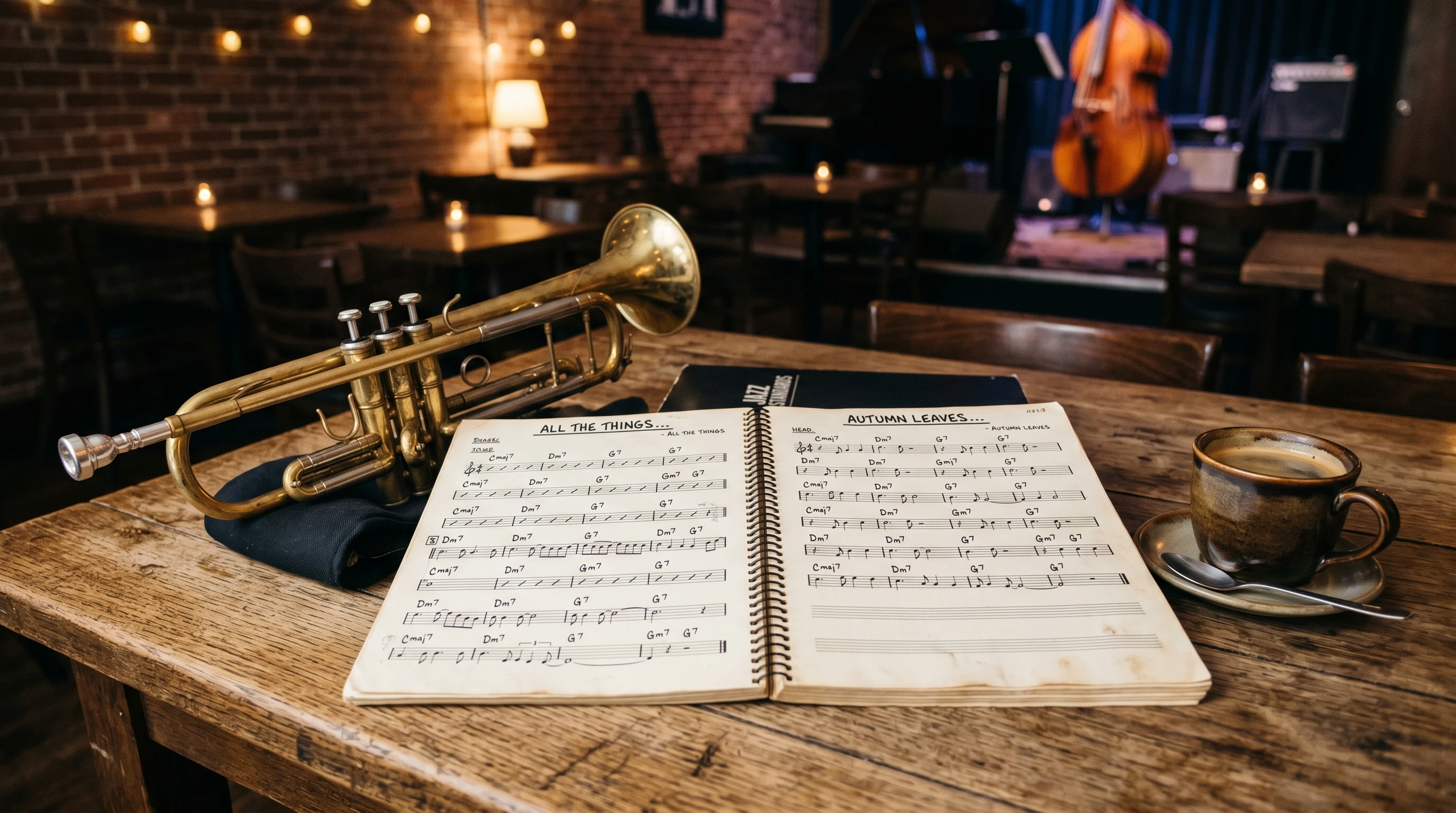
Jazz standards are songs that almost every jazz musician knows or is expected to pick up sooner or later. Think of classics like “Autumn Leaves,” “All The Things You Are,” or “Blue Bossa.” These tunes pop up everywhere and still get played for a reason; they offer a workout in harmony, melody, and rhythm that you can always learn from.
Picking up jazz standards isn’t just a box to tick. It gives you vocabulary, gets you playing with others, and helps you unlock the structure behind a lot of jazz music. If you show up to a jam session, there’s a good chance these will come up, and the more tunes you know, the easier it is to jump in, connect, and contribute.
Starting Out: How To Pick Your First Jazz Standards
Starting small helps. It’s tempting to go for big flashy pieces, but honestly, simple standards with clear structures are best when you’re beginning. Here’s what I usually suggest looking for in those first 5-10 tunes:
- Familiar Melodies: Songs you’ve actually heard before; this just makes it easier to memorize and internalize them.
- Standard Forms: Pick tunes with an AABA or ABAC structure, or even a simple 12 bar blues (“C Jam Blues” and “Blue Monk” are classics with a blues form).
- Manageable Key Signatures: Avoid tunes with tons of accidentals or tricky keys at first. Standards in C, F, and Bb major are easier for most instruments.
For example, “Autumn Leaves,” “Blue Bossa,” and “Fly Me to the Moon” are excellent starters; the chords don’t move too fast, and plenty of recordings exist for reference.
Basics: Breaking Down a Jazz Standard
Every jazz standard gives you a mini lesson in form, chords, melody, and improvisation. Here are the main parts to get familiar with for any new tune:
- Learn the Melody: The melody is king. Try singing or playing it slowly before anything else. If you can hum the tune away from your instrument, you’re on the right track.
- Understand the Chord Progression: Even a quick sketch of the basic chords makes everything easier. Look for common patterns like II V I progressions, turnarounds, and basic reharmonizations.
- Feel the Form: Many jazz standards repeat sections. Mark where each section starts and ends (A, B parts, and bridges) and practice tracking the roadmap while listening or playing.
Studying these parts separately helps you break down the music into manageable pieces. Not only does this make memorizing easier, but it also provides a stronger foundation for improvising and interacting with other musicians later.
Step By Step Plan: Internalizing Jazz Standards
Getting a tune under your fingers is only part of the work. You want the song living in your ears, mind, and muscle memory. Here’s a five part plan that’s worked for me and a lot of my friends:
- Listen to Multiple Versions: Load up different recordings (classic, modern, even vocal and instrumental). Listening helps you learn phrasing, style, and what’s possible on your own instrument.
- Simplify and Sing Along: Start by singing or humming the tune. Even if you’re not a singer, this helps you hear phrasing and strengthens memory. Try singing along with your favorite recording or with a backing track for extra practice.
- Play the Melody in Different Keys: Shifting the tune to new keys (even just a half step up or down) makes you much more comfortable and helps you handle variety at jam sessions. This is a great way to work your ears and fingers in sync.
- Comp (Play Chords) Even If You’re a Soloist: If you’re a horn or vocalist, learning the rhythm section’s part (piano or guitar chords) is super useful. You get the tune in your hands and understand how the song fits together. This can make improvising over the chords much easier.
- Improvise Simple Lines: Use just the basic chord tones at first, then add in passing notes, scales, or your own little melodic ideas to keep it musical.
Follow these steps for each new standard, and with time, you’ll find your confidence and musical vocabulary growing with each tune.
Common Roadblocks and How To Beat Them
Everyone runs into a few bumps when picking up jazz standards. Here’s what tripped me up and some tricks that helped:
- Getting Lost in the Form: Losing your spot happens to everyone. I found it helps to mark the start of each section and feel the changes internally as you play or sing along. Stepping away from sheet music and letting your ears guide you is a big help here.
- Overwhelmed by Chord Changes: Some songs move faster than others. Break big sections into short phrases. Practice looped vamps on tricky parts until they feel normal and second nature.
- Forgetting the Melody: Sometimes after all that improvising, the original melody just fades out of your head. Run through the melody alone (no chords, no solos) at the start and end of practice. This keeps it fresh and rooted in your ear.
Memory Tips
Visualizing the chord shapes or fingerings, singing through the changes, or even jotting down your own “cheat sheet” are all very effective. I keep a little notebook of changes, form cues, and lyric snippets just in case. Not only does this help with recall, but it also comes in handy during live situations or jam sessions where you might get stuck.
Taking It Further: Practice Routines and Playing With Others
Consistency is key. Spending even 15 minutes a day with a standard (focusing on a new one every week or two) works wonders. Here’s my go to routine when drilling a new tune:
- Play the melody slowly three times
- Comp the chords, focusing on smooth transitions
- Improvise over the form, sticking to chord tones
- Record yourself and listen back
- Try playing the whole thing with a backing track or along with a recording
Joining a group or attending a local jam session is where everything comes together. Even if you’re stumbling at first, playing with others teaches you to react, listen, and keep going. There’s no substitute for this experience. Plus, the energy and feedback you get in group settings will help solidify your confidence and skills faster than solo practice alone.
Jazz Standards in Context: Why They Matter for Your Growth
Jazz standards open doors to musical situations you might never find in other styles. Knowing standards lets you:
- Play with musicians all over the world
- Sit in at clubs or jams, even if you’ve never met the group before
- Build a solid base in harmony and ear training, making other music styles easier to pick up
For example, I once met a group of musicians at a festival who spoke almost no English; once we agreed on “All of Me,” everyone just clicked. That’s the sort of thing only jazz standards will do for you. The universality of these songs breaks down barriers and gets everyone making music together with hardly any extra effort.
Helpful Tools and Resources For Learning Jazz Standards
- The Real Book or iReal Pro: Both offer tons of fakebookstyle charts. The Real Book is a classic, and iReal Pro is a superhandy app with playalongs and transposable charts.
- Backing Tracks: Playalong tracks on YouTube or specialized apps are great for solo practice at home and can even help you get comfortable playing through full arrangements at different tempos.
- Transcription Software: Slow down recordings or isolate sections for ear training. Amazing Slow Downer and Transcribe! work nicely. You can use these to pick apart tricky solos or focus on challenging chord changes.
Frequently Asked Questions
What’s the best way to memorize a jazz standard?
Spending time listening over and over, then singing or playing the melody without looking at the sheet music works really well. Breaking things into small sections helps new material stick, and doing regular reviews cements tunes in long term memory.
How many jazz standards should I know?
Knowing 10 to 15 core standards gives you a big head start for most situations. Eventually, you’ll want a bigger list, but a handful is enough to join in and have fun. Focus on quality and confidence over quantity.
How do I get faster at learning new standards?
The more you learn, the more patterns you’ll recognize between tunes. The process gets quicker as you spot familiar chord moves and structures. It’s like picking up a dialect after learning a few words; the lingo gets easier and more natural as your list grows.
Wrapping Up the Jazz Standard Adventure
Learning jazz standards isn’t a checklist. It’s more of an ongoing adventure that keeps opening new doors. Focusing on simple melodies, comfy keys, and real listening time turns these classic tunes into something personal and musically meaningful. Build your list one tune at a time, jam with friends, and let each standard bring you closer to the heart of jazz. The more you play, the more these songs start to feel like home—enjoy the ride and keep playing.