
Metal music has a reputation for being intense, loud, powerful, and packed with energy. That intensity isn’t an accident. There’s a whole history behind the way metal bands play, write, and perform. Everything comes together to create that hard-hitting sound. Starting from the genre’s early days, metal music has always looked for new ways to crank up the energy, the emotion, and the sheer force of each song.
The Origins: How Metal Found Its Sound
Metal began taking shape in the late 1960s, and its roots go pretty deep. Black Sabbath, led by Ozzy Osbourne, pretty much set the standard for what metal could feel like. Heavy guitar riffs, dark lyrics, and a slow, pounding rhythm were things most mainstream rock bands weren’t doing. While Led Zeppelin and Deep Purple mixed in a heavier sound, Black Sabbath leaned fully into it, adding an almost haunting edge to their music.
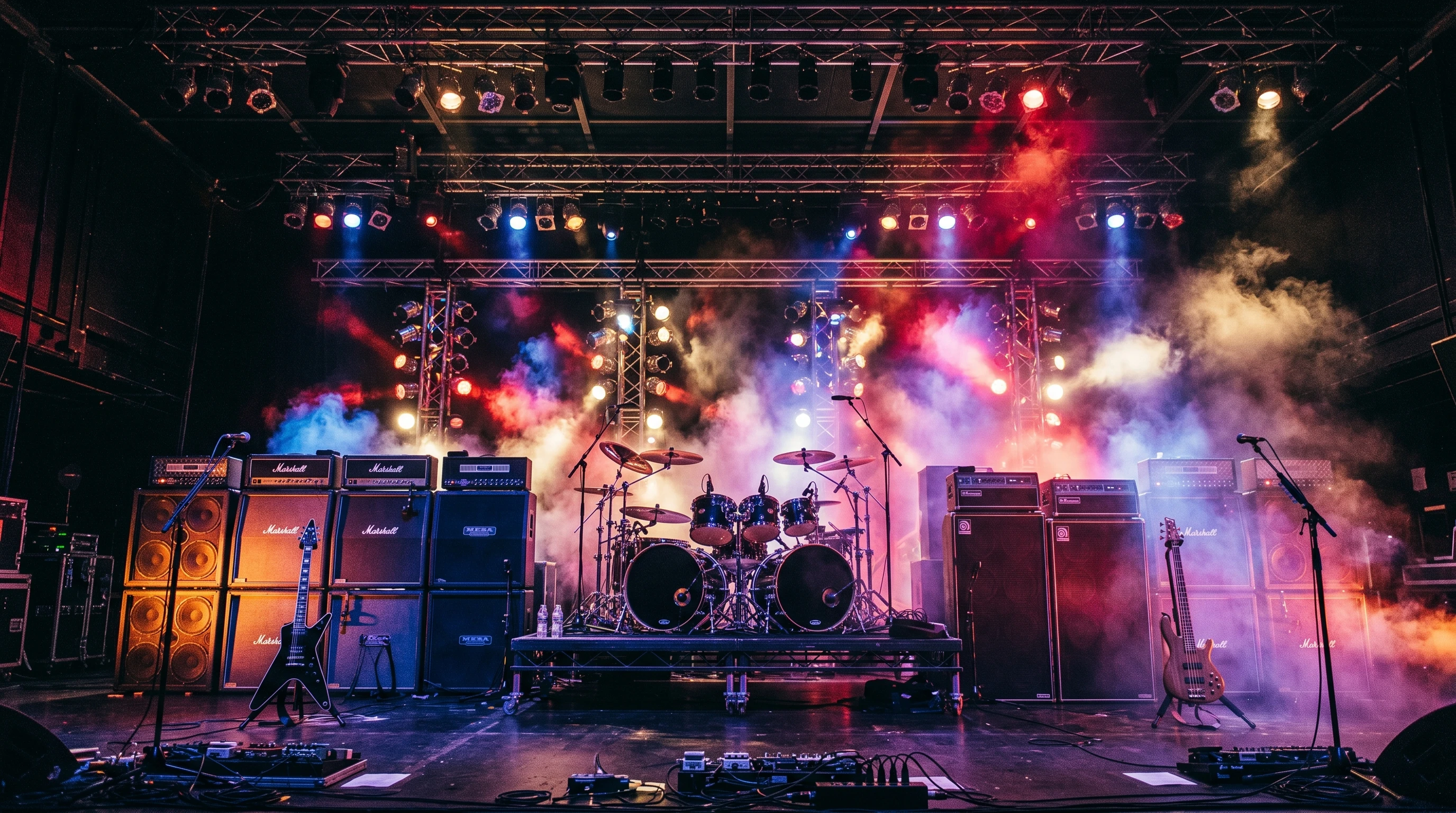
Those early metal bands relied on downtuned guitars and massive amplifiers, cranking up both distortion and volume. This approach made their songs gritty and loud, even before the singing started. The intensity wasn’t just about how the music sounded; it also hit you right in the gut. Bands would use minor scales and unsettling melodies to dig into emotions from anger all the way to dread.
Glow-Up: Metal in the ‘70s and ‘80s
By the time the ‘70s ended, metal music was mixing things up fast. Judas Priest and Iron Maiden, both from the UK, brought a new wave of metal focused on faster tempos, cleaner guitar solos, and epic storytelling. Where Black Sabbath set the mood, these bands zeroed in on speed, technical skill, and dramatic guitar harmonies. Iron Maiden’s twin-guitar leads and Judas Priest’s energetic vocals helped bring an anthemic vibe—something that really gets crowds pumped at live shows.
Stage performances got bigger, with stadium tours and elaborate sets turning even ordinary shows into eye-catching spectacles. Lyrics zeroed in on mythology, sci-fi, and social themes, helping fans escape the ordinary. Metal’s spot in pop culture was locked in, and the door to more extreme styles swung wide open.
The Rise of American Metal Bands in the ‘80s and ‘90s
Metallica, Megadeth, Slayer, and Pantera took metal to new levels in the 1980s and 1990s. These American bands, often grouped under “thrash metal,” pushed speed and aggression to their limits. Metallica’s riffs in songs like “Master of Puppets” aren’t just fast; they’re relentlessly tight, locking the band into a groove that feels unstoppable. Slayer went further with razor-sharp guitar leads and pounding drums edging toward chaos, while Pantera brought in groovemetal, adding even more rhythmic punch.
The big switch for American bands? They added a sense of discipline to metal while keeping the fury. Lyrics addressed topics like politics, war, and alienation, connecting with fans who didn’t want sugary pop tunes. Mosh pits, that aggressive posture on stage, and even DIY approaches from these bands let you feel the intensity at every live show.
Europe’s Contribution: Subgenres and the Ongoing Glow-Up
Metal’s next stage didn’t stop in the US or UK. Across Europe, metal branched out into dozens of subgenres, each adding its own flavor of intensity. Scandinavian bands created black metal and death metal, ramping up the tempo, blending in tremolo picking (superfast strumming), and using guttural or shrieked vocals. Mayhem, Bathory, and Entombed made raw and sometimes controversial music—feeling like a rebellion not just against pop, but even against mainstream metal itself.
Meanwhile, over in Germany and Finland, power metal and symphonic metal took off. Bands like Helloween, Nightwish, and Stratovarius chased melody, theatrical vocals, and complex arrangements. Even though they leaned into melody, it was still fierce—the speed, technical skill, and huge stage productions kept the energy sky-high.
Metal’s ability to branch out while keeping its signature power is fascinating. Subgenres like doom metal and progressive metal let musicians experiment but never lose that signature drive. No matter the subgenre, there’s always a strong undercurrent of fierce expression and bold stagecraft that stands out from any other genre.
What Makes Metal Sound So Intense?
A big part of metal’s punch comes from the instruments and the playing style. The guitar is the main weapon—distorted, loud, and powered by huge amplifiers. Most metal guitarists use palm muting and rapid alternate picking to build riffs that are tight and sharp. Bass guitar is crucial too, usually mixed loud with a growling sound for added weight.
Drumming in metal stands out because of its speed and complexity. Double bass pedals allow drummers to play crazy-fast rhythms that keep the whole band charging forward. Blast beats, a staple of more extreme subgenres, make songs feel like they’re racing straight at you. Metal vocals range from guttural growls to piercing high notes, always delivered with real force and commitment.
The loudness helps, but rhythm matters just as much. Metal loves syncopation, odd time signatures, and fast tempo changes. When everyone is locked in together, the surge is like an adrenaline shot—even when listening on headphones. Plus, the music is built for live action: shouting, headbanging, and moving as a crowd all amp up the experience.
Common Hurdles When Getting Into Metal Music
Metal can definitely be tough to step into at first. There are so many styles, and the aggressive sound isn’t for everyone. Here are a few common issues new listeners mention, with some quick tips if you’re curious about digging into metal:
- Overwhelming Sound: Metal tracks can seem noisy or chaotic at first. Starting with classic bands like Black Sabbath or Iron Maiden might ease you in before tackling more extreme metal.
- Complex Song Structures: Some metal songs are long with unexpected changes. Listening while reading lyrics or checking out the album art can help you catch the story.
- Harsh Vocals: Growling or screaming vocals take time to appreciate. Trying out styles with clean vocals, like powermetal or symphonicmetal, can be a great first step.
- The Image: Metal bands often use shocking visuals or themes. Keep in mind, much of this is dramatic flair—it’s part of the show and a way to draw you in.
Breaking Down the Sound
One of the coolest things about metal is that the more you listen, the more the layers pop out. Guitar solos, shifting drum patterns, and the way musicians trade off the spotlight all become clear with time. Finding a band or style that fits your tastes can totally change the way you look at the genre.
Tips for Enjoying Metal Music
If you want to get a deeper appreciation of metal, here are a few things that really help:
- Explore Different Subgenres: Try everything from classic heavymetal and thrash to melodic death metal, doom, or folkmetal. Each one adds something different to the table.
- See It Live If You Can: The roaring crowd, the volume, and the wild sense of community make live shows unforgettable. There’s a special energy at a metal show you just can’t get from streaming music at home.
- Read About the Bands: Learning how bands write and perform gives you a new appreciation—especially once you see the skills needed to keep music both intense and tight.
- Check out Full Albums: Many metal bands write concept albums or use recurring themes. Listening start-to-finish helps you catch the whole story.
Frequently Asked Questions
Here are some popular questions about metal music:
Question: Why do so many people find metal music energizing?
Answer: A big reason is the tempo, volume, and straight-up emotion. The music is built to start excitement and channel strong feelings, making it super energizing whether you’re at a show or just need a pick-me-up.
Question: Is there a “right way” to get into metal?
Answer: Not at all. Some people start with classic bands, others jump into newer bands or different styles. It’s all about finding what clicks for you.
Question: Are metal lyrics always dark or violent?
Answer: Not every time. While lots of songs talk about darker subjects, plenty of lyrics look at triumph, fantasy, or personal struggles. There’s a huge range when you start to get into it.
Why Metal Music’s Intensity Keeps It Thriving
Wrapping up, metal music is all about passion and power. The ride from Black Sabbath’s heavy riffs up to today’s fast, technical bands shows how much musicians can progress while still keeping the energy that makes metal electrifying. Whether you love that wall of sound at a live show or feel goosebumps from a blazing guitar solo, this sense of intensity is the heartbeat of metal.
There’s always more to check out, with new bands and subgenres taking the sound in next-level cool directions. If metal is new to you, or you’ve wondered why it feels so intense, just play a classic track and let the energy hit you. You might stumble upon something that shakes up your playlist in the best way.