
Jazz might seem a little mysterious if you’re just starting out, but the world of jazz instruments and their unique roles is actually pretty welcoming once you get to know the basics. Different instruments bring their own personalities to each jazz band, creating the trademark sound that makes jazz such a fun and lively style of music. I’m sharing what I’ve picked up along the way, including my own favorite memory, playing trombone for two years in my high school jazz band. Those afternoons bouncing between rehearsals and gigs showed me just how each instrument fits together to create something really special.
Meet the Instruments: The Core of a Jazz Band
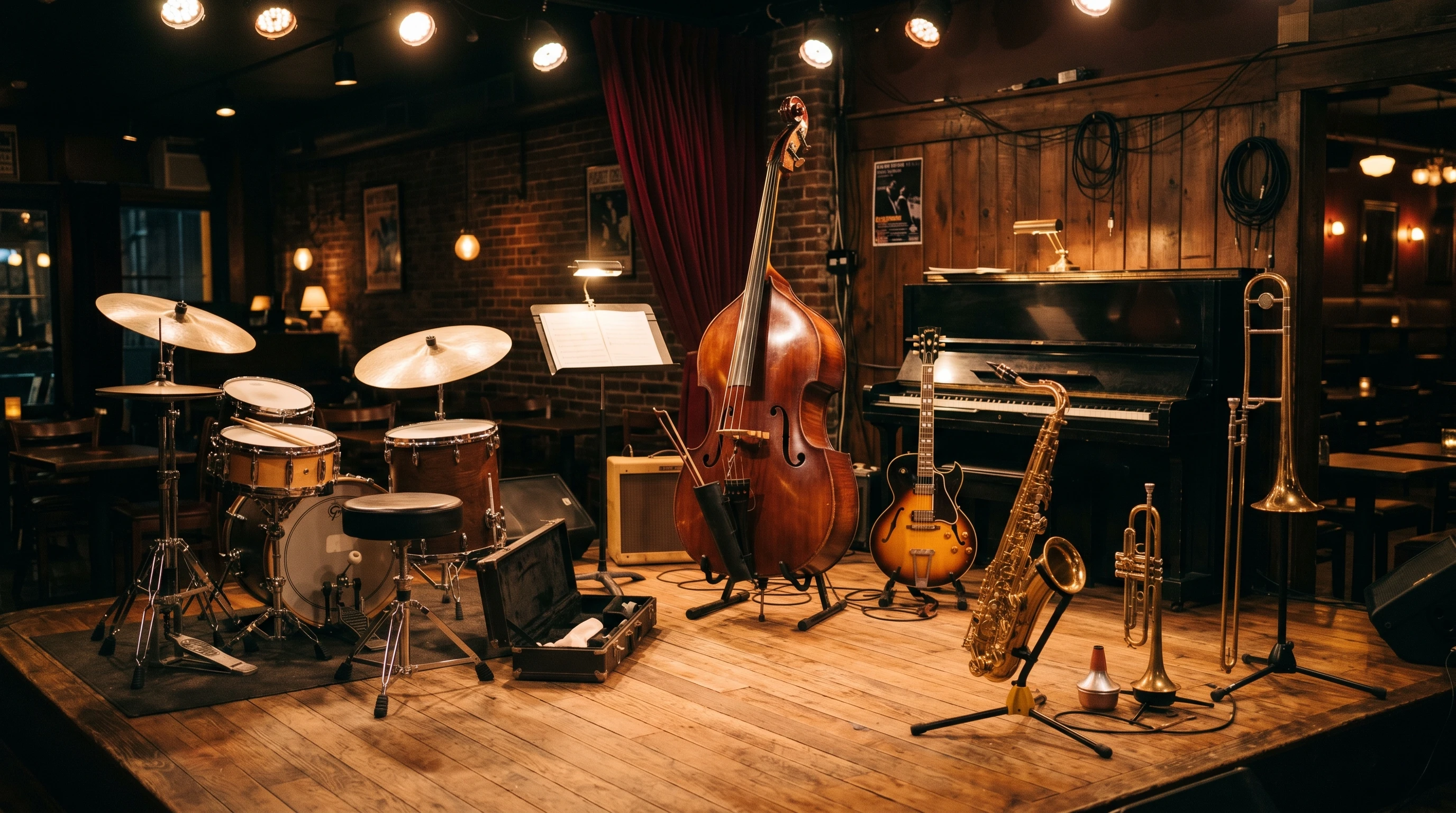
Most jazz groups feature a range of instruments. The standard lineup includes a rhythm section and a horn section, though sometimes you’ll find vocals or extra instruments that add even more flare. Each instrument brings its own sound, and together, they build the rich texture of the music. Here’s a quick rundown of the usual suspects and what they do:
- Saxophone: Leads with melody, improvises boldly, and brings a lot of the classic jazz feeling.
- Trumpet: Delivers bright, piercing lines, often the star player for energetic solos.
- Trombone: Adds a warm, deep, and sliding sound (and I personally had a blast with it in my high school jazz band).
- Piano: Glues harmonies together, throws in some solos, and offers rhythmic variety.
- Bass (upright or electric): Grounds the group with walking bass lines and rhythm.
- Drums: Drives the groove and keeps the band locked in time.
- Guitar (sometimes): Colors the harmonies and can take solos in more modern groups.
No matter which instrument you end up drawn to, understanding each one’s job helps you listen actively and get more from what you hear, or play!
Jazz Rhythm Section: Holding Everything Together
The rhythm section is like the engine of the jazz band. It lays down the groove and supports soloists. This section usually includes piano, bass, and drums, and sometimes guitar. Here’s how it works:
- Piano: Besides playing chords and rhythms, pianists create inventive fills and solos. They often “comp,” which means playing chordal rhythms that respond to the solos and melody lines.
- Bass: Whether upright or electric, the bassist keeps the pulse steady with walking bass lines, outlining the chord changes one note at a time.
- Drums: The drummer is responsible for the beat, adding syncopation and choice accents. Jazz drumming is all about snare and cymbal work, with subtle dynamics and creative fills.
- Guitar: Not in every jazz group, but when it’s there, it tends to play chords and short melodic fills, weaving around the piano and keeping the harmony rich.
Hearing these instruments interact, especially when the band is really cooking, is one of my favorite things about live jazz. For example, watching a pianist and guitarist “chatter” together with impromptu chords adds another dimension to the sound. The rhythm section’s pulse not only keeps the beat but shapes the energy of the whole tune from subtle ballads to swinging uptempo numbers.
The Horn Section: Melodies and Solos That Shine
Nothing says jazz quite like the brassy power of the horn section. This part of the band includes saxophones, trumpets, and trombones. They provide the big melodies (called “the head” in jazz lingo), and also deliver memorable solos. Here’s what each does:
- Saxophone: There are several types, alto, tenor, and baritone being most common. Each one covers a different range. Sax players often trade solos or join up for harmonized lines.
- Trumpet: The trumpet’s bright, sharp edge cuts through any mix. It often leads the section and gets a lot of spotlight time for improvisation.
- Trombone: Adds fullness and a soulful touch. I really enjoyed how much expressiveness the slide brings, since you can actually bend notes for that signature jazzy vibe.
These instruments don’t just play melodies, they riff, harmonize, and add all-important punch to the music. In my experience, there’s nothing quite like being right in the middle of a horn section, exchanging looks between phrases and building the music on the fly. Sometimes, the horn section will even work up special harmonies behind a soloist, raising the excitement in a live performance.
Improvisation: The Heart of Jazz
Jazz is pretty unique among music styles because of its focus on improvisation. Every instrument gets the chance to improvise, or “solo,” over the structure of the song. Here’s how that usually plays out:
- Horn Players: Sax, trumpet, and trombone players step out front and invent new melodies while the rhythm section keeps the beat steady and the background simple.
- Rhythm Section: Pianists, guitarists, or even bassists can take turns soloing, showing off their own ideas and techniques.
- Drummers: Drummers sometimes get short features called “trading fours” where they play solo breaks for four bars at a time, answering or challenging the horn players in call-and-response style.
Improvising can seem scary at first, but it’s really about listening and reacting to the other musicians. When I was playing trombone, some of my favorite nights were those where someone tossed me a solo and everyone backed me up. The freedom and energy can be addictive! The open nature of improvisation means every performance is one-of-a-kind, which is a big part of the thrill for both the band and the audience.
Choosing Your First Jazz Instrument
If you’re inspired to try jazz yourself, think about which instrument holds your attention when you’re listening to a recording or watching a live band. Here are a couple ideas that helped me and my friends pick an instrument:
- If you love bold melodies and attentiongrabbing lines: Trumpet or saxophone could be your thing.
- If you want to lay the groove and enjoy some spotlight: Bass or drums offer rhythm and solo opportunities.
- If you’re into harmonies and flexibility: Piano and guitar let you play chords and improvise.
- If you’re up for something a bit quirky and unique: I can absolutely recommend trombone, I had a blast, and the sliding action is pretty entertaining!
Starting out, it’s easier if you join a school band or find a community group, since they often have spare instruments and experienced players who can offer advice. Also, trying out more than one instrument early on can help you stumble upon the right fit—sometimes you won’t know until you pick up an instrument in person!
What to Know Before You Start
Learning jazz isn’t much different from learning other types of music, but there are a few things that’ll help you out right away:
- Practice scales: Jazz tunes often use scales in creative ways, so spending time on these really helps.
- Listen to classic recordings: Albums by Miles Davis, Duke Ellington, and Charlie Parker give you a feel for how the pros approached their instruments and their roles.
- Play with others: Even if you’re new, playing in groups brings out the best (and most fun) in jazz.
- Understand basic jazz forms: Many jazz pieces use 12-bar blues or a 32-bar AABA structure. Recognizing these makes it way easier to follow along and even improvise solos.
Consistency is key. Try practicing a little bit every day, and don’t be afraid to experiment. The jazz community is really supportive of newcomers, so you’ll never be alone as you get started. Listening broadly is just as important as practicing. Explore old school swing, bebop, and funky modern jazz, and you’ll start to get a sense of how your instrument could fit in.
Common Questions for Jazz Beginners
If you’re launching into jazz for the first time, a few questions probably come up:
Question: Is it hard to learn jazz instruments?
Answer: Every instrument has a learning curve, but with regular practice and lots of listening, anyone can make progress. Jazz might seem complex at first, especially with improvisation, but lots of simple tunes help beginners get comfortable quickly.
Question: What’s a good age to start playing jazz?
Answer: You can start any time! Kids often begin around middle school, but plenty of people pick up a jazz instrument as adults. The real key is enjoying the adventure, not worrying about starting too late or too early.
Question: How does playing in a jazz band differ from other groups?
Answer: Jazz bands give each player more freedom to improvise and interact than most other types of ensembles. The combination of written music (“charts”) and open solos makes rehearsals and performances lively and unpredictable; in a good way!
Final Thoughts
Jumping into jazz means meeting a whole family of instruments, each with its own character and role. Whether you’re shouting out a solo on trumpet, locking in with the rhythm section, or sliding through melodies on a trombone like I did in high school, there’s definitely something for everyone. Getting to know the roles of each instrument opens up the music in a fresh way, whether you’re playing or just enjoying the sounds. Give a few instruments a try, and see which one fits your style best; you might find a new favorite just like I did!