
World music covers a wide range of traditional sounds, instruments, and rhythms from almost every corner of the globe. Over time, these influences have blended with modern music, leading to a huge mix of styles in genres like pop, rock, hiphop, and electronic. If you’re curious how sounds from different cultures end up topping the charts or shaping your favorite playlists, I’ll break down how world music keeps making waves in modern genres, and why it’s still a really big deal for both musicians and fans.
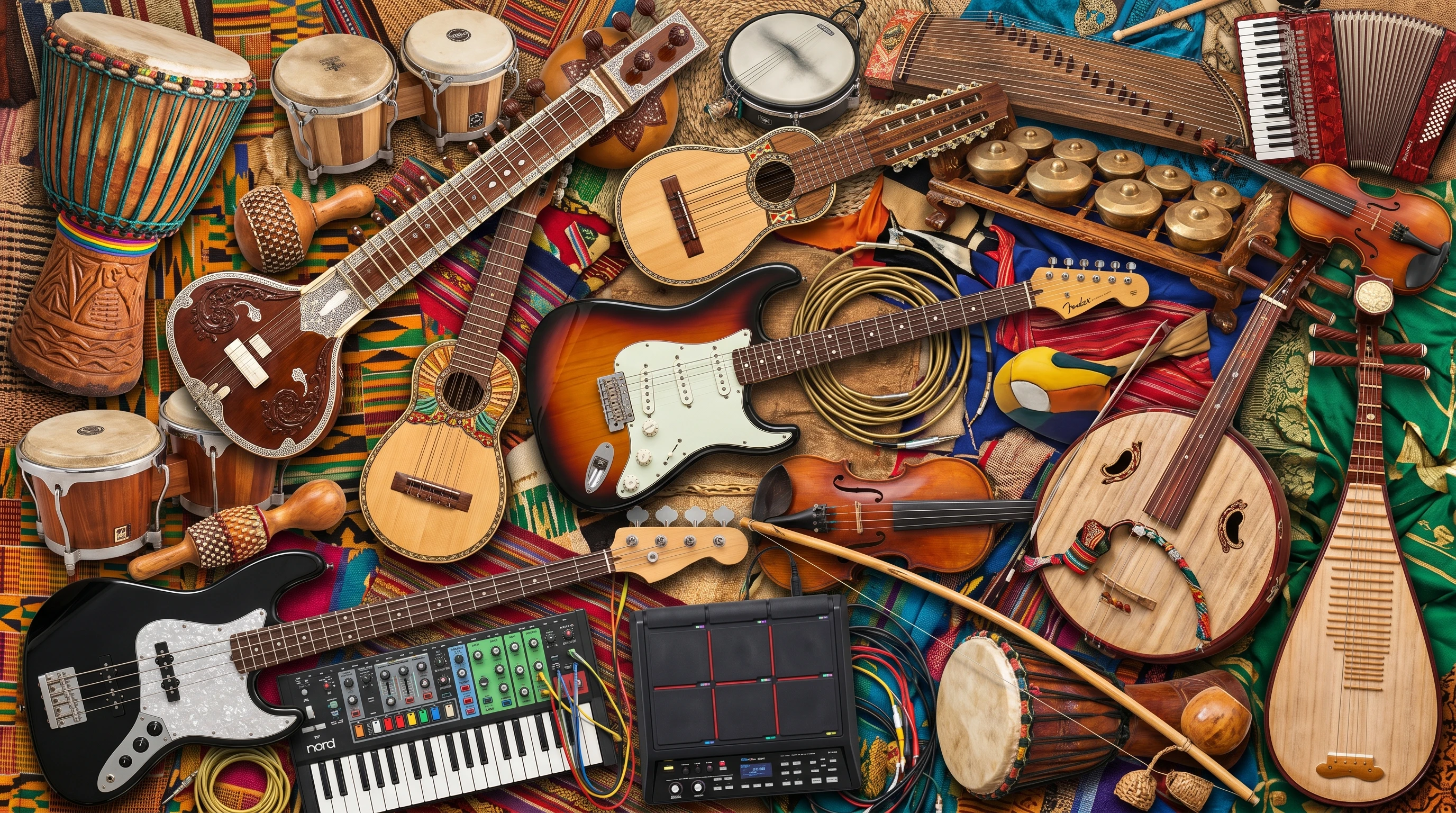
The Influence of World Music in the Modern Age
World music and its influence on popular styles have been around for longer than most people think. Musicians started borrowing from different cultures before the term “world music” even existed. Today, streaming platforms and digital sharing mean anyone can listen to Afrobeat, KPop, or Brazilian bossanova just by tapping their phone. The global music market is thriving, with international genres capturing bigger and bigger audiences every year.
Mixing bits of world music with familiar beats gives artists fresh sounds to work with. The classic example is Paul Simon’s “Graceland” album, which introduced millions to South African rhythms. You’ll also find reggae pops up all over rock and ska, and Latin beats have reshaped mainstream pop in the last few years. Crosscultural collaborations in music aren’t new, but they’re now way more common and accessible to everyone, from bedroom producers to big-name stars.
How World Music Shapes Modern Genres
Every modern genre has felt the impact of world music in some way. Sometimes it’s easy to spot, like a sitar weaving its way through a Beatles track, or a reggaeton beat powering a global pop hit. Other times, the influence is in the details. Maybe the scales used, the rhythm, or the way lyrics are sung.
- Pop Music: Latin rhythms, African percussion, and dancehall grooves have become regular features in pop hits. Songs like “Despacito” show how global styles can take over the charts.
- HipHop and Rap: Producers often use beats and samples from West African or Middle Eastern music. The genre’s flexibility lets these influences blend in smoothly.
- Electronic Music: DJs and electronic musicians sample everything from Indian classical melodies to Balkan brass, creating completely new listening experiences.
- Rock and Indie: From blues (rooted in African musical traditions) to psychedelia’s use of Indian instruments and rhythms, rock music has routinely borrowed outside its base.
Chances are, your favorite tracks owe something to global influences, even if it’s not obvious at first listen.
Getting Started: What Is World Music, Really?
“World music” isn’t really a single genre but more a general label for sounds that come from outside the mainstream Western tradition. That covers African drumming, Chinese folk, Brazilian samba, Middle Eastern oud music, and much more. Some use the term for traditional and indigenous music; others for any fusion that pulls ideas from “elsewhere.” Because of this broad definition, world music acts as a starting pool for constant experimentation and surprises.
If you’re new to world music, a good first step is to jump into global playlists on streaming apps or check out festivals devoted to international acts. You’ll hear everything from salsa to Tuvan throat singing, and you’ll start to pick up how musicians take these traditions and remix them into modern tracks. Many cities even feature world music nights at local venues, and online radio stations make it easy to check out music from any continent, broadening your musical horizons without leaving home.
Key Ideas That Help World Music Cross Over
Blending sounds from different cultures isn’t just about adding exotic instruments or samples. A few core ideas help these musical crossovers connect with listeners:
- Rhythms and Groove: Syncopated beats, polyrhythms, and offbeat grooves from West Africa, Latin America, and the Middle East get crowds moving across the world. These patterns feel fresh, even when set against electronic or pop backdrops.
- Unique Instruments: Bringing in the sounds of the sitar, djembe, shamisen, or balalaika adds texture modern audiences don’t usually hear in mainstream music. Electronic producers often sample or digitally recreate these instruments for a different twist.
- Unusual Song Structures: Many cultures approach song arrangements differently. Some music is all about improvisation, while other traditions use repeated cycles or drones. These new structures inspire musicians to break out of versechorus routines.
- Vocal Styles and Languages: Techniques like yodeling, call-and-response, or microtonal singing make songs stand out. Lyrics in multiple languages, or even madeup ones, are more common as audiences open up to new sounds.
Tips for Musicians Experimenting With World Music
If you’re making music or just love digging deeper into tracks, adding world music flavors is easier than ever. Here are a few practical ways to get started and avoid accidental missteps:
- Listen Actively: Explore authentic recordings and pay attention to what makes them unique: rhythm, melody, production, or emotion.
- Start Small: Experiment with one or two sounds or instruments first, rather than overloading your track. Layering a djembe or oud onto your beat is a good way to keep things balanced.
- Work With Experts: When sampling or teaming up, it’s always a good move to reach out to musicians who actually know the tradition you’re interested in. This keeps things respectful and helps everyone learn something new.
- Credit Your Sources: Sharing where your influences come from and who inspired you lays down the groundwork for connection and respect.
- Explore Workshops and Cultural Exchanges: Many cities have local music workshops, and online classes make it easy to pick up basics about global instruments or rhythms. It’s a great way to move past copying and start building real skills.
Mixing world music into your style means being open to learning and curiosity, and remembering that even tiny tweaks can make a track stand out. Attending crosscultural jam sessions or joining online forums focused on world music can offer unexpected inspiration and help you spot common missteps.
Challenges and Things to Watch For
Bringing world music into mainstream genres isn’t always smooth. There are a few common hurdles musicians and listeners run into:
- Authenticity: Trying to capture the feeling of another culture’s music isn’t always easy if you’re not part of that tradition. Sometimes attempts can come off as shallow or forced.
- Cultural Appropriation: Borrowing melodies or imagery without understanding or crediting the original context can be frustrating to the original creators. Going in with respect and research helps avoid this.
- Technical Skills: Many world music instruments (like the kora or erhu) take years to master. Digital samples sound cool, but using them well means understanding how they’re played in real life.
- Balancing Originality: There’s a line between using global influence creatively and just copying. The best results usually bring something new to the table instead of just mashing two things together.
Authenticity in World Music Fusion
Staying authentic means taking time to research the history and traditions behind the sounds you love. For example, learning about the cultural importance of a taiko drum or samba rhythm can change the way you include those elements in your own projects. Working with musicians from those traditions is a great way to make sure your fusion feels genuine, and you might pick up new skills or perspectives.
Keeping Cultural Respect Front and Center
Music is a great way to learn about the world, but it’s really important to show appreciation rather than just take what sounds nextlevel cool. That means crediting your inspirations, inviting other voices into your projects, and always being open to feedback. Asking questions like, “How would someone from that culture feel about this use?” helps keep things respectful and fun for everyone involved.
Cool Real World Examples of World Music Fusion
Some of today’s biggest sounds wouldn’t even exist without world music influences:
- Reggaeton: Born in Panama and Puerto Rico, reggaeton fuses reggae, Latin, and hiphop for an international sound. It now dominates pop radio and streaming.
- KPop: Korean pop pulls from American hiphop, traditional Korean instruments, and Afrobeat grooves. Its mix of styles makes KPop a global sensation.
- Afrobeats: This modern style from West Africa mixes highlife, juju, hiphop, and electronic music. Afrobeats artists fill stadiums across the globe.
- BhangraPop Collabs: Bhangra meets dancehall, EDM, and hiphop all the time. You’ll find these tracks in clubs from London to Vancouver.
Apart from these, you might stumble upon interesting collaborations, such as Western orchestras featuring Indian classical soloists, or rappers making use of Balkan brass to create a new backdrop for their lyrics. Each genre mashup expands what modern music can be.
Frequently Asked Questions
Question: How can I recognize world music influences in modern songs?
Answer: Listen for instruments you don’t often hear in Western pop (like steel drums, tablas, or bouzoukis), or notice the rhythm. Offbeat or syncopated patterns can tip you off. Sometimes it’s just a vocal style or language change in the chorus that gives away the influence.
Question: Does streaming make it easier to find authentic world music?
Answer: Absolutely. Most platforms now have curated world music playlists and suggestion algorithms that bring you new artists from all over. It’s much easier to dig deep and track down sounds outside your usual listening habits than even a few years ago.
Question: What’s the difference between world music and fusion genres?
Answer: World music usually refers to authentic traditional or folk music from specific cultures. Fusion genres combine these influences with modern styles, so a pop song with sitar or a hiphop track using African rhythms would count as fusion rather than pure world music.
The Lasting Power of Global Influence in Modern Music
The diversity and crosspollination in today’s hits owe a lot to world music’s global spread. Musical innovation keeps happening whenever cultures learn from each other, whether it’s a pop single featuring Afro-Cuban jazz rhythms or a rock band adding Mongolian overtone singing.
For artists and fans alike, paying attention to world music isn’t just about stumbling upon new sounds, it’s about respecting a huge range of cultural stories, traditions, and voices that shape what we hear every day. Bringing a sense of curiosity, openness, and respect makes the experience richer for everyone. The next time you turn on your favorite playlist, take a moment to listen for echoes of rhythms and melodies that have traveled the world before reaching your ears, carrying generations of tradition and next- level cool energy to modern music.