Breakdancing, or breaking as many in the community call it, sits at the heart of hip hop culture. This dynamic dance form, packed with athletic moves, spins, freezes, and floorbased footwork, has shaped both the music scene and street culture worldwide. I love checking out how it grew from humble beginnings into a global movement, blending competition, selfexpression, and community. If you’ve ever wondered where breakdancing came from and why it matters to hip hop, you’re in for some cool facts and stories right here.
The Roots of Breakdancing in Hip Hop
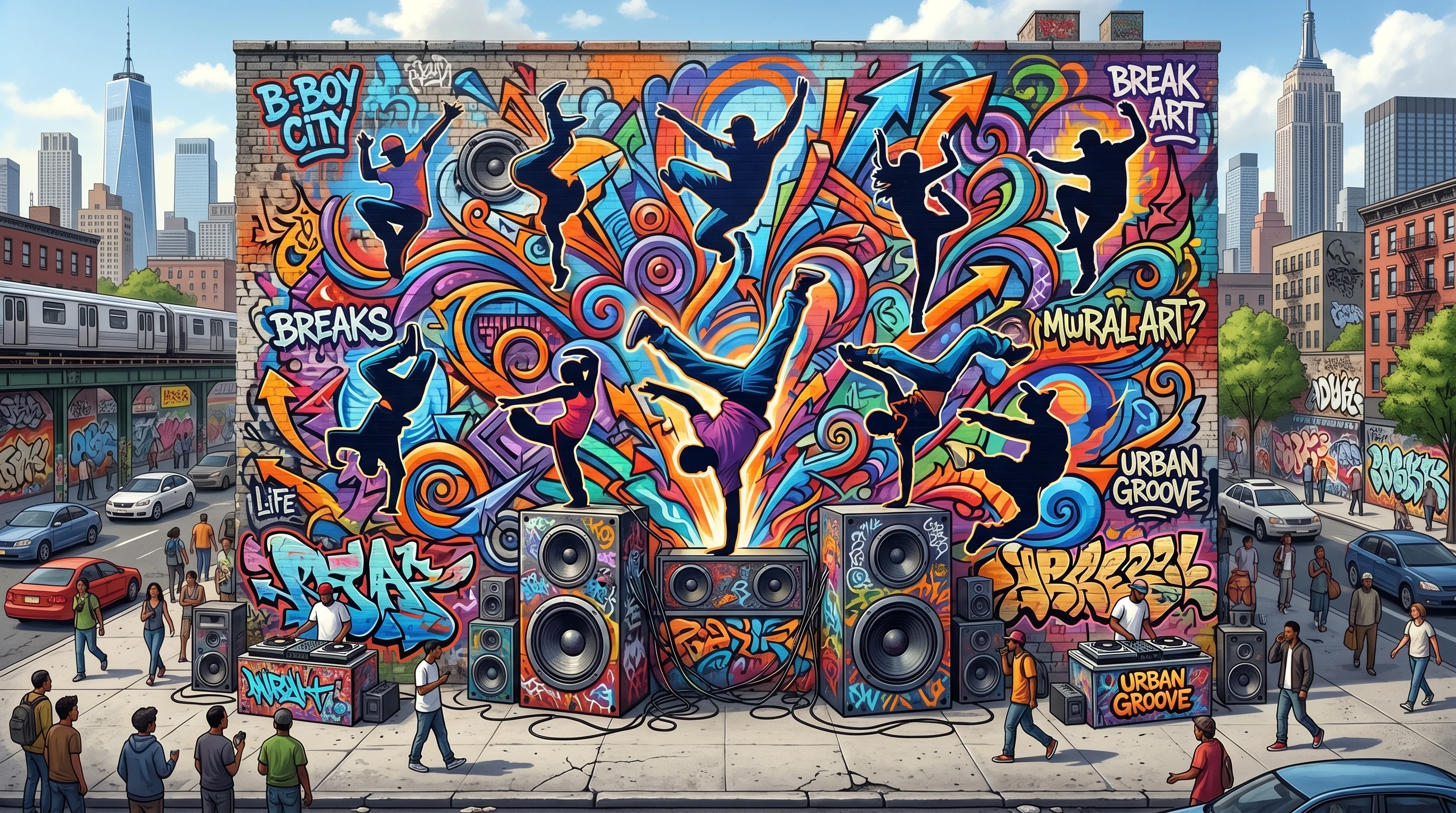
Breakdancing first took shape in the early 1970s in the Bronx, New York City. Hip hop was just getting started, with block parties uniting DJs, MCs, graffiti artists, and young dancers ready to show off their skills. The Bronx was bursting with energy, and there was a real need for creative outlets for young people. Many kids of the area, often facing tough situations and limited resources, used dance as a way to connect, compete, and escape daily struggles.
DJs like Kool Herc, Afrika Bambaataa, and Grandmaster Flash helped set the stage by playing funky beats and extending “breaks” in records. These breaks were sections with heavy percussion meant for dancing. When these breaks came on, the so-called “B-boys” and “B-girls” (short for breakboys and breakgirls) would hit the floor, pulling off moves that were flashy, fast, and packed with improvisation. This is where the word “breaking” comes from: dancing during the break part of the music.
What Makes Breakdancing Unique?
Breaking is a mix of different moves, each with its own style and attitude. Here are a few core elements that set breakdancing apart:
- Toprock: This is the dancing you do while still standing. Think fancy footwork, rhythm, and personal flair before heading to the floor.
- Downrock (or Footwork): Now it’s time to move to the ground, spinning and sliding your legs in cool patterns close to the floor.
- Power Moves: These are the super showy, gymnastic tricks; windmills, headspins, flares, and more. Power moves grab attention and really test a dancer’s strength and balance.
- Freezes: Everything stops. Freezes are those signature poses that cap off a set, where dancers hold their bodies in dramatic, sometimes gravitydefying shapes.
Adding a personal touch is really important. Creativity and originality outrank copying someone else’s steps. That’s why you’ll find dancers everywhere developing their own style and even coming up with completely new moves. The freedom to invent, adapt, and design new movements is woven into the breakdancing culture.
How Breaking Influenced Hip Hop Culture
For me, it’s fascinating how breakdancing helped shape the image, music, and spirit of hip hop itself. In the early days, break battles became the talk of the neighborhood. Crews, or small groups of dancers, would face off at community centers, parks, or right in the street, settling rivalries with dance instead of fists. These battles fuel creativity and bring people together.
As hip hop spread from the Bronx to the rest of New York City and eventually the world, the four “pillars” of hip hop—DJing, MCing, breakdancing, and graffiti—set the blueprint for a culture that’s still growing today. It’s tough to picture a classic street jam or hip hop festival without a circle forming for dancers to get loose on the floor.
Breakdancing also had a huge effect outside of just music. The style, lingo, and even clothing connected with breaking found their way into other aspects of pop culture. Fashion trends like tracksuits, sneakers, and hats often started with the breakdancing community before spreading to wider audiences. And, of course, the music itself—especially the beats and breaks—often reflected the energy of the dancers.
Breakdancing Goes Global
Things started changing in the 1980s when music videos like Afrika Bambaataa’s “Planet Rock” and movies like “Wild Style,” “Beat Street,” and “Breakin'” brought hip hop and breakdancing to new audiences. Soon, kids everywhere—from Los Angeles to Tokyo to Paris—were rolling out cardboard mats and practicing windmills after school. Street corners, schoolyards, and recreation centers became the sites of spontaneous break battles.
Breaking switched things up along with hip hop, blending with local dance traditions and soaking up different musical styles. The rise of international competitions in the 1990s and 2000s, especially events like Battle of the Year and Red Bull BC One, helped lock in its spot as a global phenomenon. Today, you can track down worldclass Bboys and Bgirls from Russia, Korea, France, Brazil, and beyond.
There’s also a strong sense of international community. Dancers regularly hop countries for competitions and workshops, learning from each other, sharing new techniques, and often coming home with new ideas that push the art form even further. This constant exchange has caused breakdancing to grow fast and stay fresh, with the boundaries of what’s possible always being pushed.
Modern Significance: Beyond Street Corners
Breakdancing is making some big moves lately. In 2020, the International Olympic Committee announced that breaking will be an official Olympic sport, debuting at the Paris 2024 Games. That’s a huge step, and it shines a light on breakdancing’s athletic side and global popularity.
Even with the Olympics and the competition circuits, breaking still thrives on its original values; creativity, respect, and selfexpression. In battles, judges care about style, innovation, and how a dancer feels the music just as much as strength and speed. This mix of authenticity and skill helps keep breaking true to its roots, even as it gets more popular worldwide.
Local community centers and nontraditional venues continue to support breakdancing across the globe. You’ll find classes for beginners, jams for seasoned dancers, and community events aimed at bridging generations. These gatherings help preserve hip hop history and mentor the next wave of talent.
Breakdancing Lingo and Community
The world of breakdancing has its own language and tightknit networks. Crews or teams aren’t just dance squads; they’re like families. You’ll also hear folks talking about ciphers (open circles anyone can get into to share moves), routines, and callouts (where one dancer challenges another).
- “Props”: When a dancer earns genuine respect for a move or round.
- “Burns”: Clever gestures or tricks meant to mock an opponent during a battle.
- “Foundation”: The basic moves every Bboy or Bgirl learns at first; these never go out of style.
- “Stamina”: Breakdancing is tough; dancers train for strength and cardio just like athletes.
You can spot generations of breakers at local community centers, parks, and even schools. Workshops, jams, and classes keep the scene alive, and connect young dancers to the history and values that shaped hip hop in the first place.
Another special aspect of the community is mentorship. Experienced dancers often help out newcomers, sharing tips on learning moves, avoiding injuries, and respecting the art form’s roots. This sense of passing down knowledge helps keep breakdancing inclusive and evolving.
How To Get Started With Breakdancing
Curiosity and an open mind help a lot if you want to learn breaking. You don’t need fancy equipment or even a dance studio at first. Here’s what I’d recommend if you’re looking to get into it:
- Watch Breakdancing Clips: Track down battle videos and tutorials online. There’s a treasure trove on YouTube, Instagram, and even TikTok.
- Start With The Basics: Give yourself time to learn toprock, footwork, and the easier freezes. Don’t stress about jumping straight into headspins.
- Practice In Groups Or Ciphers: Teaming up with friends or joining a local crew helps push your skills and keeps practice fun.
- Respect The Culture: For Bboys and Bgirls, history and community come first. Give props to the OGs and look up some classic battles for inspiration.
- Stay Active: Breaking is tough, but it’s worth sticking with. Regular practice and keeping fit will help you progress fast.
There are plenty of beginner classes around the world, from gyms to community spaces, or even local dance studios. Jumping into such a welcoming space can make learning the basics a lot easier, and you’ll meet others along the way.
Common Questions About Breakdancing
People ask me lots of things about breakdancing, especially if they’re new. Here are some of the most popular ones:
Question: Is breakdancing hard to learn?
Answer: The basics are pretty accessible; anyone can learn simple toprock and footwork steps. Power moves take more time and practice, but starting slow helps.
Question: Is breakdancing only for young people?
Answer: Not at all. I’ve seen people of all ages get into breaking. The dance can be adapted, and there are even over40s crews out there.
Question: Do you need to have a certain body type for breakdancing?
Answer: Breaking suits different bodies and styles. Strength, rhythm, and focus help, but anyone can shape the dance around their unique skills.
Question: Where can I learn more about breakdancing history?
Answer: There are some really great documentaries and books out there; “The Freshest Kids” is a good watch for hip hop’s early years. Local hip hop museums and online communities are also packed with interesting info.
Breakdancing’s Lasting Impact on Hip Hop and Beyond
Breakdancing’s adventure from the streets of the Bronx to every corner of the globe shows just how powerful dance can be. It’s about much more than moves; there’s a ton of meaning wrapped up in every step, spin, and freeze. Breaking continues to inspire music, fashion, language, and new generations who want to make their mark on hip hop. Now with its Olympic debut, breakdancing keeps evolving, connecting history with the future of street culture and sports. That story is still being written, and you might just end up being a part of it.