When people think of hip hop, MCs and rappers are often the first to come to mind. But from the very start, DJs have played a really important part in shaping this culture. Understanding what DJs actually do in hip hop gives a much deeper appreciation for those legendary parties, classic tracks, and even the way newer artists build their sound. Whether you’re into scratching, sampling, or just want to know how DJing influences hip hop, let’s break down the role of DJs in hip hop culture and see why you still spot turntables at so many shows.
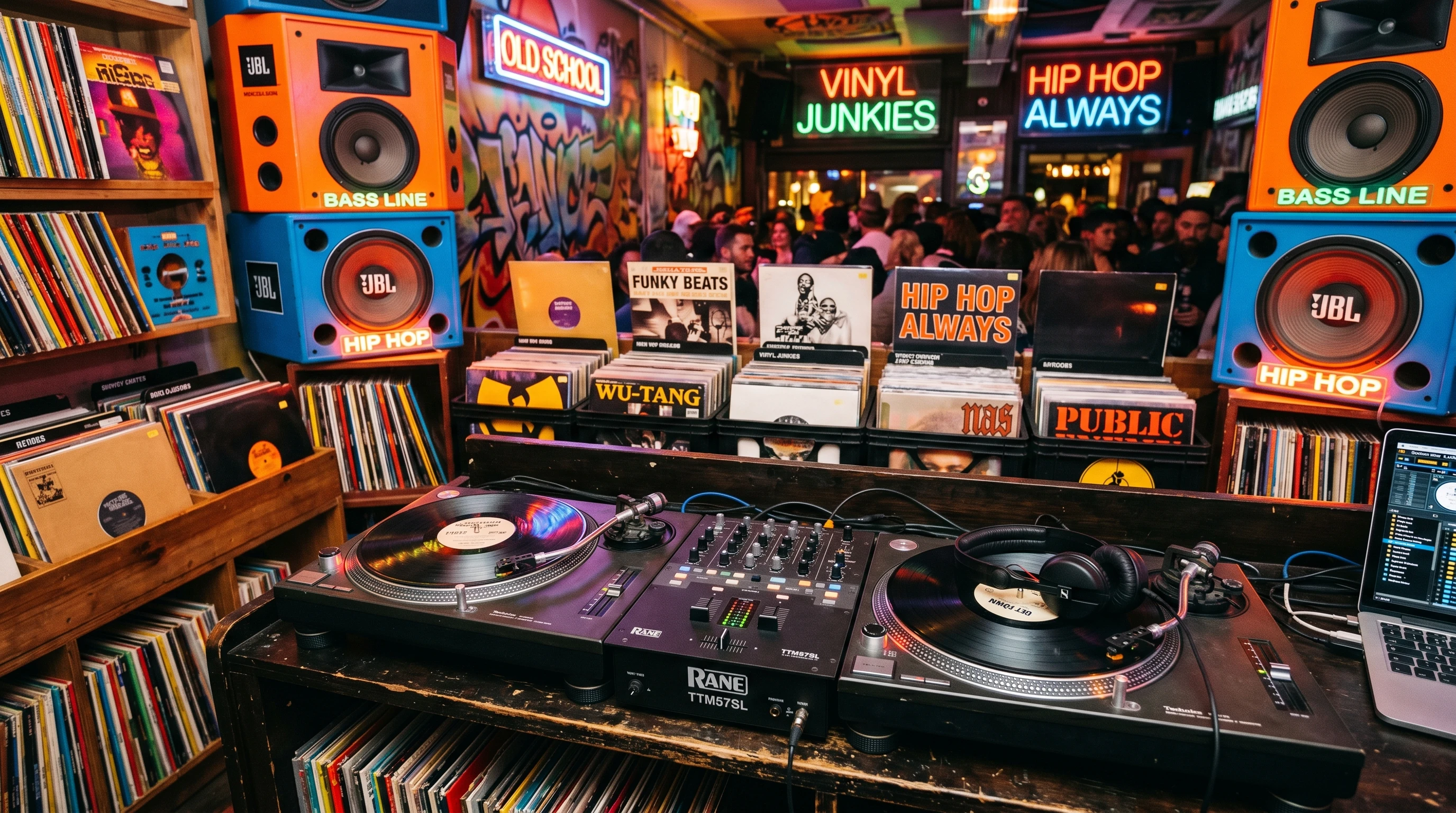
The Origins of DJing in Hip Hop
Hip hop wouldn’t really exist without DJs. Back in the early 1970s, before rap became the bigger focus, DJs were the center of every party in the Bronx, New York. Clive Campbell, better known as DJ Kool Herc, is often credited with putting it all in motion. He noticed the crowd would go wild during the instrumental parts of funk records—the breakbeats—so he started using two turntables to loop these sections for longer chunks of time. This change added new energy to parties, with dancers (what we now know as breakdancers) showing off their moves during these extended breaks.
The DJ booth was the heart of these gatherings. Kool Herc, Grandmaster Flash, and Afrika Bambaataa, to name a few, pushed the boundaries of what you could do with records and mixers. DJs were the rock stars of these early block parties, and their innovations built the foundation for everything else that makes hip hop what it is today. Even before MCs took center stage, DJs were already making their mark, letting everyone track down new sounds and step up party energy.
What DJs Actually Do in Hip Hop
Being a hip hop DJ is a mix of art, technology, and showmanship. At its core, DJing is about moving the crowd and spotting the energy of the room. Here’s a quick breakdown of what a hip hop DJ’s job usually covers:
- Beat Matching: Lining up two separate tracks so the rhythm and tempo match, creating smooth transitions from one song to another.
- Scratching: Moving a vinyl record back and forth to make those famous sounds you usually hear in classic rap songs. Scratching isn’t just for show; it adds rhythm, energy, and drama to a performance.
- Mixing and Blending: Combining different songs or instrumentals in creative ways, often layering vocal tracks over different beats or mashing up samples.
- Sampling: Taking short parts of one song and reusing it in a new track. Sampling forms the backbone of many iconic hip hop beats.
- MC Support: DJs control the energy levels, cue up an MC’s tracks, add effects, or back up the MC during live shows to make sure everything flows smoothly.
The DJ’s ability to mix together different records and sounds, adjust tempo on the fly, and throw in custom scratches gives them a unique space in hip hop—even in today’s digital age.
How DJs Influenced Hip Hop’s Growth
Early on, hip hop was about the party, and DJs were the main stars. The way DJs used breakbeats shaped the sound of hip hop. Long before MCs took the spotlight, DJs set the style. Kool Herc’s “Merry-Go-Round” technique was literally about looping the best, most danceworthy parts of different records with two turntables. This wasn’t just a technical skill; it introduced a whole new mindset around music.
Grandmaster Flash took things even further by bringing in legendary moves like the “quick-mix theory,” which let him extend breaks instantly. He’d mark records with crayon to find the best part of a track without losing a beat. Techniques like these didn’t just make the local parties pop—they influenced the entire global scene. DJs mixed together new sounds, shaped new dance styles, and set the language for making hip hop music.
Mastering the Turntables: Skills Every Hip Hop DJ Needs
It’s easy to overlook just how much skill goes into real hip hop DJing. Whether rocking a house party or backing a top artist, DJs need technical muscle and keen instincts for what the crowd wants. Here’s what real hip hop DJing calls for:
- Timing and Rhythm: DJs need rock-steady timing to keep the party moving and the dancers engaged. Even tiny mistakes can throw off the energy.
- Sharp Ears: Knowing exactly where to start, fade, or cut in a track helps keep transitions smooth. DJs develop a sense for what sounds great together.
- Crate Digging: Searching for unique records, rare breaks, or fresh instrumentals to stand out. Some DJs own collections that reach back decades, always hunting for that perfect beat.
- Equipment Knowledge: Handling turntables, mixers, needles, controllers, and sound systems is half the game. Many DJs mix vinyl classics with digital platforms like Serato or Traktor, learning both worlds.
- Crowd Reading: Watching the crowd to figure out what will keep everyone hyped, when to drop a classic, and when to mix things up if energy dips.
Building these skills takes hours of practice, listening, and live experience. The best DJs keep pushing themselves to learn, adapt, and make their sets stand out.
Staying Relevant: The DJ in Modern Hip Hop
Over the years, the focus in hip hop shifted mainly toward rappers and producers, but DJs never faded from view. You’ll spot a DJ at nearly every major hip hop event, running live sets and showing off creative scratches and tricks. DJ battle culture—like the DMC World DJ Championships—still gets lots of attention and has thousands watching.
In the studio, DJs guide many trending sounds. Producers, often starting as DJs, experiment with blending samples and building beats. DJs such as DJ Premier and J Dilla have gained legendary status by combining DJ skills with production, creating iconic hip hop moments. Even as technology evolves, the hands-on vibe and joy of stumbling upon new grooves keeps the DJ’s style crucial to hip hop’s continuing story.
Common Challenges and How DJs Handle Them
DJing in hip hop brings its set of headaches, and even the pros face plenty of problems. Here are some of the most common ones, plus practical advice for handling them:
- Equipment Problems: Needles skip, mixers malfunction, and laptops sometimes freeze up. Packing backup gear and having a checklist makes it easier to beat those last-minute surprises.
- Changing Tastes: The beats that work this season might flop next time. Staying fresh by checking out rising artists, exploring new styles, and listening to different genres keeps a DJ’s set feeling new.
- Respect as an Artist: DJs sometimes struggle to get the recognition of MCs or producers. Carving out a signature style, producing fresh music, or running local events is a good way to stand out.
- Venue Sound Issues: Not every place is set up well. Arriving early, checking wires, and testing playlists in advance help avoid technical mishaps.
Equipment Issues
Turntables, mixers, and modern controllers are sensitive and can break down quickly. Having spares and testing everything before the show can keep things running. I’ve seen sets saved simply because a DJ had an extra cable or new needle on hand.
Staying Fresh
DJs build their names on unique taste and an ear for surprises. Digging for old tracks, remixing classics, and putting hours into scratch routines keeps their sound from getting stale. The best DJs always look for ways to mix things up, keeping fans engaged year after year.
Tips for Aspiring Hip Hop DJs
Getting started as a hip hop DJ is pretty straightforward in theory, but sticking with it takes real effort. Here are quick tips that actually help:
- Start Simple: Use basic gear, train in beat matching and scratching before upgrading to high-end setups.
- Study the Best: Check out live sets and classic party tapes from greats like Jazzy Jeff, DJ Qbert, or Grand Wizzard Theodore. You’ll get technical ideas and loads of inspiration.
- Build Your Library: Even today, crafting a digital crate or vinyl collection helps you shape a unique style and stay ready for any type of gig.
- Practice with People: Invite friends over, test out mixes, and ask for direct feedback. Playing for a live audience, even if it’s small, beats solo practice every time.
Patience and dedication matter most; keep learning, and your style will keep growing.
Real-World DJing: How DJs Shape Hip Hop Events
Every big hip hop show, from packed clubs to huge festivals, usually relies on a DJ to keep momentum and the vibes right. DJs open for headliners, hype up the crowd between sets, and even run themed parties or entire tribute nights. At club gigs, DJs frequently introduce new bangers and give rising artists their first break. During battles, they show off next-level cool turntable tricks that can go viral. Even for album launches or radio shows, having a DJ’s stamp of approval brings built-in respect.
- Live Battles: DJs compete with creative routines, scratching, and musical skills. These battles keep new ideas coming and encourage innovation.
- Club Events: Resident DJs guide the mood at local scenes. Picking just the right tracks brings crowds together and spotlights the latest hits.
- Supporting MCs: DJs hype the room, pull the beat to highlight punchlines, or spin the latest singles, proving the DJ is often the backbone of hip hop’s live energy.
Frequently Asked Questions
Here are some questions I often get about hip hop DJs:
Question: What gear do beginner hip hop DJs need?
Answer: All you really need are two turntables (or a digital controller), a mixer, and a collection of tracks—vinyl, digital files, or both. Good headphones and some speakers round out your setup.
Question: Should someone train on vinyl or digital first?
Answer: Vinyl helps you learn hand skills and timing, while digital controllers are usually more affordable and flexible. Mixing both methods gives you the best of both worlds.
Question: What’s an essential skill for a hip hop DJ?
Answer: Being able to read a crowd and know how to keep the mood up is most important. Technical moves like scratching are helpful, but real crowd connection is key.
Why DJs Matter More Than Ever in Hip Hop Culture
Even as hip hop continues its next stage, DJs remain at the heart of the culture. Their influence stretches from clubs to studios to global radio. Figuring out what DJs do helps explain hip hop’s story, its biggest moments, and why the scene keeps spreading. Whether you’re just nodding to the music or thinking about grabbing your own decks, hip hop DJs are always worth tracking down—because their impact goes much further than just spinning records.