Hip hop has traveled quite an adventure from block parties in the Bronx to dominating global music charts. If you’re curious about where rap started and how it’s grown into such a massive force, it really helps to know the artists who’ve shaped its direction. For anyone looking to build a playlist or just better understand the culture, here’s my breakdown of ten influential hip hop artists you’ll want to have on your radar.
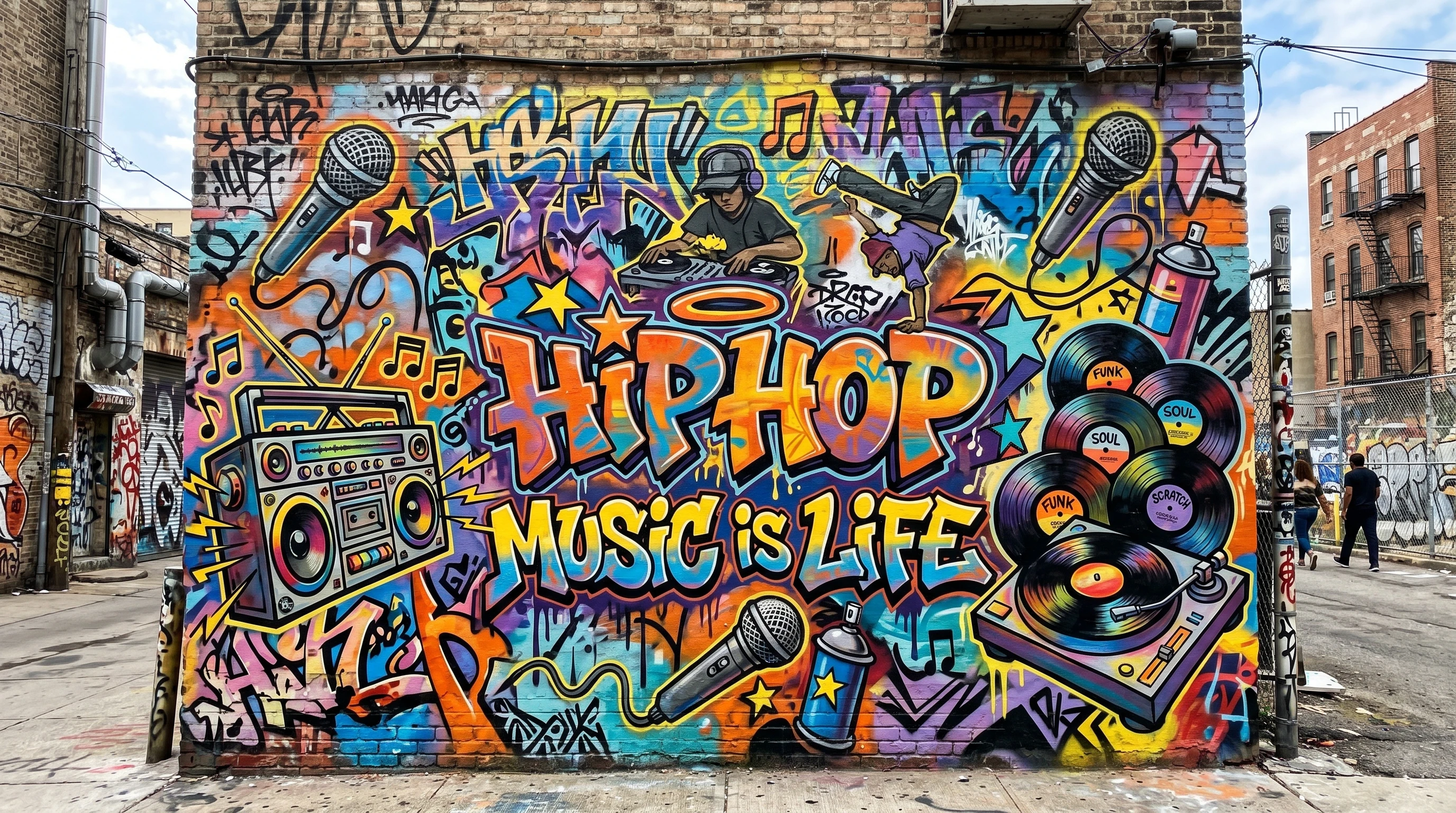
The Birth of Hip Hop: Where It All Began
Hip hop culture got its start in the 1970s, with DJs looping the breaks from funk and soul records and MCs hyping up parties. While you won’t hear most of those early pioneers on mainstream Spotify playlists, their influence runs strong. Throughout the decades, a few names really stand out for changing how hip hop sounds, looks, and feels.
Understanding this history can make you appreciate the creativity and grit that shaped the genre. Some of today’s biggest trends, like sampling, storytelling, and boundary-pushing beats, get their roots from these legends. Hip hop also became a platform for social commentary, style, and a whole lot of self-expression. Knowing the frontrunners puts all the new stuff in perspective.
Top 10 Influential Hip Hop Artists Everyone Should Know
I pulled together a list of ten artists (and one legendary group) that I feel made a lasting impact. Some brought lyrical storytelling to a new level; others flipped production entirely. Here are my picks, plus some thoughts on why each is worth checking out.
- The Notorious B.I.G. (Biggie Smalls)
Biggie left a huge mark on East Coast rap with a smooth flow and cinematic lyrics about street life, ambition, and struggle. His albums, especially Ready to Die and Life After Death, are packed with hits that are still played everywhere. Biggie made storytelling sound so effortless, and his presence in the culture is still felt decades later. - Tupac Shakur (2Pac)
2Pac’s words were raw, poetic, and deeply personal—from political anthems like “Changes” to songs about pain and hope like “Dear Mama.” He used his music to address real-world problems and challenge listeners to think. Tupac’s catalog is as moving now as it was in the ’90s, and he’s become a symbol for activism through art. - Dr. Dre
Dr. Dre started out with N.W.A. and then moved on to create the slick, funkheavy West Coast sound known as G-funk. Albums like The Chronic changed the way hip hop was produced and paved the way for new stars like Snoop Dogg and Eminem. Dre’s influence behind the mixing desk is massive, and his beats have powered tons of classics. - Snoop Dogg
Snoop brought laidback, melodic rapping to worldwide audiences after debuting on Dr. Dre’s The Chronic. His voice and style are instantly recognizable, and he’s kept his career fresh for decades. Songs like “Gin and Juice” pretty much define West Coast vibes, and Snoop’s persona is just as big as his music. - Wu-Tang Clan
This group brought New York street culture and kung fu movie inspiration together. With tons of members, including Method Man, RZA, Raekwon, and Ghostface Killah, WuTang made rugged group tracks and diverse solo albums that keep influencing artists today. Their debut, Enter the Wu-Tang (36 Chambers), is an absolute must-hear. - Nas
Nas arrived with Illmatic in 1994, and it’s still considered one of the best hip hop records out there. His lyrics are vivid and thoughtful, painting stories about life in Queensbridge Projects. Nas has stayed relevant for decades with clever wordplay and honest self-reflection. - Jay-Z
Jay-Z turned his streetwise hustle into a global empire. He’s known for sharp rhymes about ambition and money, but also has a knack for flipping flows and adapting to new styles. Jay-Z’s impact isn’t just musical; his business acumen set new standards for what artists can achieve outside the studio. - Missy Elliott
Missy knocked down barriers for women in hip hop, bringing futuristic beats, playful lyrics, and wild visuals to the mainstream. Tracks like “Work It” and “Get Ur Freak On” blend funk, hip hop, and electronic textures in a way that feels entirely her own. Missy’s influence shows up whenever artists push the envelope with sound or style. - Kanye West
Kanye changed the shape of hip hop production, bringing in soul samples, dramatic orchestration, and confessional lyrics. Records like The College Dropout and My Beautiful Dark Twisted Fantasy blurred genre lines and showed that rap can be vulnerable, experimental, and big. Kanye’s mark on both production and style is impossible to ignore. - Eminem
Eminem raps with jawdropping technical skill; his rhyme schemes, flows, and emotional storytelling have won him fans across generations. Known for songs that are brutally honest and sometimes wild, he turned personal trauma and dark humor into worldwide hits. Albums like The Marshall Mathers LP hold up as creative, sometimes controversial, milestones in hip hop.
How These Artists Changed Hip Hop
Each of these names shaped hip hop in their own way. Some brought attention to social issues or told stories from neighborhoods that never got spotlighted. Others switched up the sound of production, opening the door for crisp West Coast beats, lush New York sampling, or wide open experimentation. Quite a few have used fashion, business, or activism to expand what hip hop could be.
Following their careers, and checking out who they’ve inspired, is a great way to trace big switches in the genre, from gritty, underground tapes to festivalready bangers. If you notice, a lot of the new wave artists constantly reference or get compared to these legends, showing just how long their influence sticks around.
Essential Terms and Concepts in Hip Hop Culture
- Flow: This is how an artist rides the beat with their words and rhythm. Everyone has their own unique flow, and it’s what can make a rapper instantly recognizable.
- Sampling: Taking parts of older songs (like a drumbeat or melody) and flipping them into something new. Hip hop has always been about building on the past in fresh ways.
- Cypher: A group freestyle session, sometimes in a circle, great for hearing different styles back to back and seeing artists feed off each other’s energy.
- Verse/Hook: Verses are where you’ll usually find the more complex rhymes and narratives, while hooks are the catchy, repeated parts that stick in your head.
Challenges Artists Faced (and Still Face) in Hip Hop
Hip hop’s next stage wasn’t always smooth, and the artists above had their own uphill climbs. From censorship and media backlash to personal struggles, these legends often pushed through big obstacles:
- Social and Political Barriers: Many faced criticism and even bans for unfiltered commentary on race, class, and injustice.
- Industry Gatekeeping: Radio, record labels, and TV weren’t always eager to back hip hop at first, forcing artists to prove their value through independent releases and word of mouth.
- Personal and Community Struggles: Lyrics about violence, poverty, or pain often reflected real issues in artists’ lives, and making it out wasn’t easy.
- Creative Pressure: Staying fresh and original while balancing mainstream appeal has always kept even the best names on their toes.
Why These Artists Stay Relevant
A lot is said about the golden era of hip hop, but these names show real staying power, inspiring new generations of creators. From updating their sound to mentoring the next big stars, they keep finding ways to matter. It helps that their songs still get sampled or freestyled over, popping up in ads, movies, and TikTok trends.
Ways to Explore Hip Hop Further
- Listen to a Full Album: Start with one artist, like Nas’s Illmatic or Wu-Tang’s Enter the Wu-Tang, and play it all the way through. Albums were made to be listened to as a whole experience.
- Check Music Documentaries: Shows like “Hip-Hop Evolution” (Netflix) or “The Defiant Ones” tell behind-the-scenes stories that show just how much work and creativity goes into this music.
- Follow Lyric Sites: Reading lyrics while listening often reveals new layers of meaning, clever wordplay, and subtle references.
- Keep Up With New Artists: See how the influence of these legends carries over by finding new acts inspired by them.
Hip Hop Artists FAQ
Q: Are there any influential women in hip hop besides Missy Elliott?
A: Absolutely. Artists like Queen Latifah, Lauryn Hill, MC Lyte, Nicki Minaj, and Cardi B have all brought their own unique spin, paving new roads for future talent.
Q: Do these classic artists still release music?
A: Some, like Snoop Dogg and Nas, still put out new albums and collaborate with both older and newer artists. Others, like Tupac and Biggie, live on through posthumous releases and tribute projects.
Q: How can I tell if a new artist is inspired by a classic artist?
A: Listen for familiar beats, shoutouts in lyrics, and collaborations. A lot of up-and-comers sample or remix tracks as a nod to past greats.
Jumping Into Hip Hop’s Legacy
Learning about these artists can give anyone a stronger sense of the roots and creative spirit behind hip hop. Even if you only add a few of their songs to your playlist, you’ll be getting a window into how culture, community, and personal stories all shaped this powerful genre. The cool thing is that hip hop is always growing, so you’re never late to the party.