
Hip hop albums have shaped not just music but also style, language, and even politics. It’s been nearly fifty years since the genre started out in the Bronx, and the number of classic hip hop albums keeps growing. But a handful of albums did more than just top the charts; they changed the culture and paved the way for new directions. So, I’m sharing a look at the best hip hop albums that really shaped the genre, and why they’re still so relevant today.
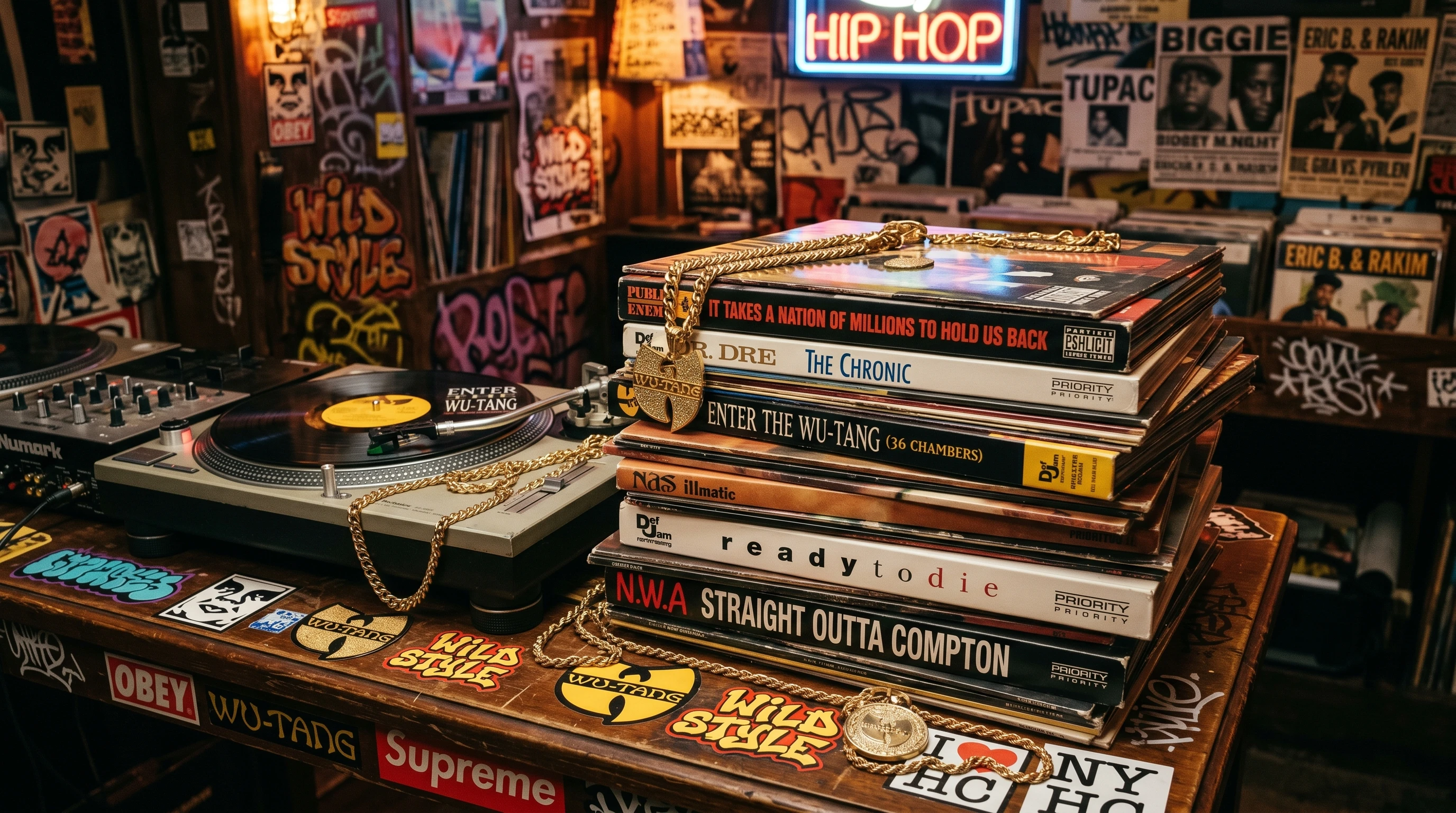
The Rise of Hip Hop: Albums That Redefined Music
In the late 1970s and early 1980s, hip hop was mostly about parties and block jams. Things changed quickly once artists started making albums that captured the energy of live performances and brought new narratives to life. Hearing “Rapper’s Delight” by The Sugarhill Gang or “Run-D.M.C.” by Run-D.M.C made it obvious that hip hop was more than a fad; it was sticking around.
Albums like “Paid in Full” by Eric B. & Rakim (1987) introduced deeper lyricism and new production tricks. Rakim’s cool delivery and Eric B.’s sampling skills pretty much changed what people expected from MCs and DJs. I’ve lost count of how many times new artists mention Rakim as their biggest inspiration.
“It Takes a Nation of Millions to Hold Us Back” by Public Enemy (1988) wasn’t just music. It was a wake-up call. Chuck D’s commanding voice and the hard-hitting beats got people thinking differently about rap. Suddenly, hip hop became a space for protest and activism.
Golden Era Classics and Lyricism’s Glow-up
By the early 1990s, hip hop albums were setting standards for production, rhyme schemes, and storytelling. The golden era featured legendary albums that I still love listening to because they feel timeless.
- “The Low End Theory” by A Tribe Called Quest (1991): This album blended jazz samples and clever rhymes, making it a go-to for anyone who appreciates creative beats and smart lyrics. Their relaxed flow brought a smoother, thoughtful vibe that’s super easy to revisit.
- “Ready to Die” by The Notorious B.I.G. (1994): Biggie’s storytelling on this record is top-notch. He paints gritty stories about his life with detail that feels almost cinematic. The production pulls you in, but it’s his voice and flow that keep you hooked all the way through.
- “Enter the Wu-Tang (36 Chambers)” by Wu-Tang Clan (1993): No way to skip this one. Nothing sounded like Wu-Tang when they burst onto the scene. Their mix of kung fu flick samples, raw delivery, and group dynamics made this album an instant classic. This is the sort of album you can listen to over and over and always catch something new in the layers of production and wordplay.
The 1990s saw more artists embracing creative collaboration, with groups like De La Soul and the Beastie Boys mixing genres and breaking expectations. Albums like “Midnight Marauders” and “Paul’s Boutique” proved hip hop had room to keep growing in surprising ways, with playful lyrics and wild samples that still feel energetic today.
Albums That Brought Social Change
Hip hop’s influence has always extended beyond music, and plenty of albums prove it. Some of the most powerful hip hop albums are the ones that put hard truths into rhymes and got a whole generation asking bigger questions.
- “The Miseducation of Lauryn Hill” by Lauryn Hill (1998): This album blends hip hop, soul, and R&B, all wrapped around Lauryn’s sharp songwriting skills. Not only did it win a bunch of Grammys, it gave a voice to female empowerment and identity in a genre often dominated by men.
- “All Eyez on Me” by 2Pac (1996): 2Pac’s ability to channel pain, rage, hope, and love into tracks like “Ambitionz Az a Ridah” and “California Love” made this double-album hit hard across the globe. 2Pac rapped about social struggles, injustice, and the world as he saw it, keeping things brutally honest and poetic.
- “To Pimp a Butterfly” by Kendrick Lamar (2015): There’s a reason critics and fans can’t stop talking about this album. The way Kendrick weaves together jazz, funk, spoken word, and raw rhymes takes you on an adventure through Black American experience, modern politics, and personal growth. It’s one of those albums you should listen to from start to finish, without skipping a single track.
Other socially charged albums like “Fear of a Black Planet” by Public Enemy and “The Score” by Fugees kept raising the bar for conscious music. They pushed listeners to think about race, justice, and how hip hop could be a force for change, sparking conversations that echoed far beyond the music itself. The messages in these records still hit hard when listening today.
Iconic Albums That Changed Production
It’s easy to forget that hip hop’s sound has changed so much over the decades, and a lot of it comes down to groundbreaking albums with new production styles. A few of these really jump out to me every time I revisit them.
- “The Chronic” by Dr. Dre (1992): This West Coast classic sets the bar for “G-Funk.” Dre’s smooth synths and hard drums became the sound of the early ‘90s, and suddenly, everyone wanted that vibe. Snoop Dogg’s laidback delivery on this album took off in a big way too.
- “Illmatic” by Nas (1994): I honestly think every hip hop head has this album somewhere in their collection. With producers like DJ Premier and Pete Rock crafting the beats, and Nas delivering stunning poetry about growing up in Queensbridge, this album became a blueprint for sharp lyricism and gritty storytelling.
- “Stankonia” by OutKast (2000): OutKast mixes Southern flavor, electronic sounds, and experimental production here. Songs like “Ms. Jackson” and “B.O.B.” exploded genres and made it clear the South was running things in its own style.
Production glow-ups continued with artists pushing digital tools further. Kanye West, for example, on “808s & Heartbreak” shaped modern hip hop’s embrace of melody, synths, and emotional vulnerability. This use of new tech and creative risk-taking keeps the genre moving forward, letting each wave of artists make their sound pop in its own way.
Not Just Albums, But Movements
Some albums go even further; they define a whole movement or even a regional sound that carries influence way beyond their own era. I see these as milestone releases that became more than just music.
- “The Blueprint” by Jay-Z (2001): Jay-Z’s flow and Beatles sampling production are well-known, but it’s how this album brought soulful Kanye West beats to mainstream attention that’s really notable. Hip hop trends switched up after this release, with chipmunk soul and storytelling coming back in a big way.
- “Doggystyle” by Snoop Dogg (1993): This album made Snoop a household name, but it also pushed West Coast style forward. The mix of cool, smooth delivery and Dre’s Gfunk production just works from track to track.
- “good kid, m.A.A.d city” by Kendrick Lamar (2012): Kendrick made waves with this album’s cinematic storytelling. He combined clever structure, almost like a movie in album form, with honest, detailed memories of growing up in Compton. It’s a great intro to what modern concept albums in hip hop can do.
These projects also kicked off new waves of regional and cultural expression. For example, “Super Tight…” by UGK put Southern rap firmly on the map, while “Only Built 4 Cuban Linx…” by Raekwon helped define the mafioso subgenre. Each one let artists root their stories in the places and cultures that shaped them.
What Makes an Album Shape Hip Hop?
It’s not just about sales or how often you hear a song at a party. The albums that really shape hip hop usually do a few things all at once: they switch up the sound, bring in new perspectives, and inspire a new generation of artists. A lot of the albums listed above have producers who took risks. They also have lyricists who shared their world in ways that weren’t always comfortable but always real.
Cultural impact plays a big part. An album that moves people, switches up fashion trends, changes political conversations, or even just creates new slang is doing more than just going platinum. That’s why albums like “The Miseducation of Lauryn Hill” and “To Pimp a Butterfly” stand out; their impact ripples way past the year they dropped.
Tips: How to Track Down Classic Hip Hop Albums
If you’re just getting into hip hop or want to get deeper, these tips make the adventure easier:
- Start with Influential Albums: Begin by listening to the classics. Many streaming services offer curated playlists based on iconic albums, which can be really handy.
- Check Out Liner Notes: The credits and thank-you notes on old albums often list other artists and collaborators worth exploring.
- Explore Regional Sounds: Each part of the country—New York, LA, Atlanta, Houston—has its own flavor. Sampling albums from each region helps you get the full picture.
- Watch Documentaries: Films like “Hip-Hop Evolution” or “Rhyme & Reason” highlight key albums and their stories.
- Follow Producer Credits: Many legendary albums share producers. If you find a beat you love, look up what else that producer worked on. For example, DJ Premier and Dr. Dre have fingerprints on many classics.
- Join Online Communities: Places like dedicated hip hop forums or Reddit let you ask for recommendations and share finds with fellow music lovers.
FAQs About Hip Hop Albums That Shaped the Genre
Which hip hop album is considered the most influential?
Lots of people pick “Illmatic” by Nas or “It Takes a Nation of Millions to Hold Us Back” by Public Enemy. Both albums are highly respected for their impact on the sound and substance of hip hop.
Are modern albums shaping hip hop in the same way?
Albums like “DAMN.” by Kendrick Lamar and “Astroworld” by Travis Scott have brought new energy. Technology, streaming, and global collaborations are changing what’s possible, so the next generation of classics is probably getting made right now.
Why do older albums hold up so well?
Older albums tend to mix innovation with honesty. They brought new sounds and unfiltered stories, and because of that, they still resonate—even decades after release.
Wrapping Up
Hip hop keeps mixing things up, but these albums stay special for how they pushed things forward, challenged norms, and got people thinking. If you’re looking to get a sense of hip hop or just want to build up your collection, the albums covered here are a great place to start. Whether it’s lyrical mastery, creative production, or cultural impact, these records helped shape what hip hop is today. And with every generation, new sounds and voices will keep the genre bold and eye-catching for years to come.