Hip hop has shaped music, fashion, and culture across the globe, and it all started with a spark in the Bronx back in the 1970s. Watching hip hop morph from block parties to a worldwide movement has been pretty wild. Over the years, it’s picked up fresh sounds, new voices, and plenty of creative twists. Here’s my breakdown of how hip hop has changed from simple beginnings to the diverse, powerhouse genre we have today.
The Birth of Hip Hop in the 1970s
Hip hop got off the ground in the South Bronx, New York City, during the early 1970s. People living in the neighborhood were dealing with tough times—poverty, poor housing, and urban decay were all pretty common. Yet, from this tough environment came wild creativity. I’ve always thought it’s amazing how much influence a few block parties could have on the world.
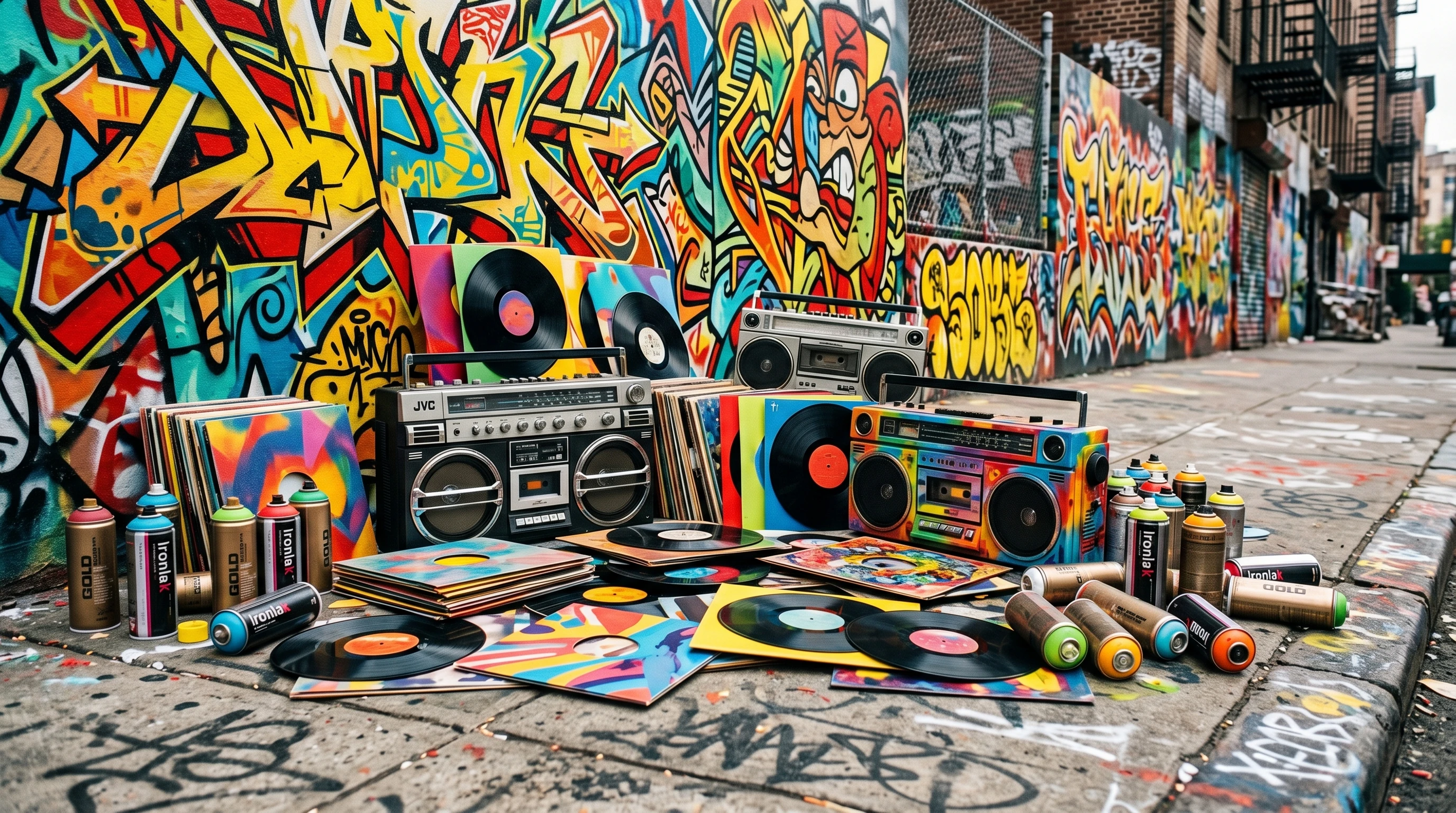
The basic elements, like rapping (MCing), DJing, breakdancing (b-boying), and graffiti, got their start around these early parties. DJs like Kool Herc used two turntables to loop breaks in funk records, letting MCs hype up the crowd and dancers show their skills. This DIY approach built a sense of community and gave young people a way to express themselves when not many options were available.
Graffiti also became a form of visual storytelling and self-promotion, while breakdancers pushed the envelope with crazy athletic moves. Each element had its own space, but what brought it all together was that raw, street-level energy. What really stands out is that these early event gatherings kicked off a movement that still shapes global pop culture today.
1980s: Hip Hop Breaks Into the Mainstream
The 1980s were huge for hip hop. Things started picking up once rap acts showed up on national TV and radio. Tracks like Sugarhill Gang’s “Rapper’s Delight” and Grandmaster Flash and the Furious Five’s “The Message” opened a lot of ears. These songs brought storytelling to the forefront and got people thinking differently about rhythm and rhyme.
Breakdancing blew up, graffiti artists started earning recognition, and everyone wanted to dress like Run DMC or LL Cool J, including the famous Adidas tracksuits and bucket hats. Def Jam, the influential label, launched artists who became household names and set the blueprint for a lot of what would come later.
Having access to better studio gear meant producers started experimenting more, sampling funk, rock, and soul to build rich, layered beats. If you listen close, you can hear how beats evolved from just two turntables to full scale tracks with intricate drum machines and effects. Hip hop’s voice began to reach into TV commercials, big stadiums, and movie soundtracks, making it clear that this was more than just a local movement.
1990s: The Golden Age and Variety
The 1990s are often called the “Golden Age of Hip Hop” for good reason. The creativity was off the charts, and there was a burst of variety—different regions, flows, and approaches started popping up. Groups like A Tribe Called Quest, De La Soul, and Public Enemy pushed boundaries with clever lyrics and beats. On the West Coast, artists like NWA and Dr Dre were laying down Gfunk tracks telling stories about life in LA.
A big deal was how hip hop became a platform for social commentary. Tracks challenged everything from racism to police brutality, but there was still plenty of room for party anthems. The Notorious BIG and Tupac Shakur captured both glamour and tragedy, leaving a lasting impact and showing there were many sides to the culture.
Record labels recognized the value in authenticity, and more regions joined the wave. Southern hip hop, for example, started finding mainstream love by the end of the decade with OutKast, Scarface, and UGK showing there was talent and perspective everywhere. Hip hop became a unifying language, linking communities worldwide.
Early 2000s: Commercial Success and Global Spread
By the early 2000s, hip hop was everywhere—soundtracks, commercials, fashion, video games. This was the era when Jay Z, Eminem, and Missy Elliott turned rap into charttopping pop music. Production got slick, blending genres and bringing in collaborations from pop, R&B, and even rock artists.
The South really took over the charts at this point. You couldn’t go anywhere without hearing crunk, snap, or trap beats—Lil Jon, TI, and OutKast made sure of that. The internet and digital accessories also played a big role in making hip hop a global conversation. Freestyles, mixtapes, and music videos went viral before social media fully took off, letting artists break out and build audiences fast.
2010s: Digital Era and Genre Bending
Jumping into the 2010s, hip hop became more flexible than ever. SoundCloud, YouTube, and streaming platforms let all kinds of new voices break out—even without a big label behind them. Artists like Drake, Nicki Minaj, and Kendrick Lamar balanced catchy tunes with thoughtful lyricism, helping hip hop dominate awards shows and festivals around the world.
Production started getting weirder and more creative. Trap took over the radio, with artists like Future and Migos leading the charge. Acts like Tyler the Creator, Chance the Rapper, and Childish Gambino mixed in electronic, indie, and jazz sounds, proving you don’t have to stick to tradition to make an impact.
At this point, hip hop influenced everything—fashion, slang, politics, and even ad campaigns. Collaborations with rock, pop, and country kept blurring the lines, and viral dance challenges on platforms like TikTok brought hip hop to even younger generations. The genre showed it was ready to mix with anything and stay fresh.
Key Features of Hip Hop’s Glow-Up
- Sampling and Beats: Hip hop built a foundation on sampling. Producers chop up old vinyl records—funk, jazz, soul, and more—to create loops for rappers to ride. Drum machines like the MPC and 808 really changed the soundscape.
- Lyricism and Storytelling: Cool wordplay, dense rhyme patterns, and storytelling have always been a core part. Artists use lyrics to share stories of struggle, celebration, or social issues with a personal touch.
- Fashion and Visual Style: From Adidas tracksuits to baggy jeans and now skinny jeans, hip hop style always finds new ways to set trends. Graffiti and bold album artwork are big pieces of the hip hop picture as well.
- Dance and Performance: Breakdancing, popping, and krumping are all pieces of the broader hip hop puzzle, evolving along with the beats and bringing extra life to live shows. Hip hop dance crews keep crowd energy high, creating nextlevel cool moments at battles and on stage.
Challenges Hip Hop Artists Face
- Commercial vs. Authenticity: Staying true to roots while appealing to a mainstream audience can be tough. Some artists balance it well, while others struggle with selling out or diluting their voice.
- Copyright and Sampling: Producers love flipping samples, but legal battles over music rights can get expensive and complicated. Understanding these rules is really important for anyone making beats.
- Social Issues: Hip hop is known for tackling tough topics, but artists can face backlash for their opinions or lyrics. Steering through that while growing a brand isn’t always easy.
- New Tech and Platforms: Streaming is great for access but makes it harder to make a living off album sales. Artists rely more on touring, merch drops, and viral content to connect with fans and get paid. Tech keeps mixing up the rules, so staying sharp is a must.
Commercial vs. Authenticity
Being creative and keeping things real matters in hip hop, yet making money from it is pretty tempting. Some fans criticize artists for changing up their style to gain radio play or reach new listeners. Still, growth and change are part of the game; Jay Z and Kanye West prove you can switch up your sound and still stay respected in the long run.
Copyright and Sampling
Sampling brings fresh life to old tracks, but producers need to check copyright rules and sometimes pay fees. This can either spark more creative beats or, for some, limit what they release. Getting permission in advance and using sampleclearing services, when possible, can smooth out the process and keep things legal.
Social Issues
Hip hop gives a voice to artists who want to weigh in on real-life events. Fans and critics sometimes push back, especially on social media, if an artist takes an unpopular stand. Even so, speaking up about important topics stays at hip hop’s core and has always been part of its mission.
New Tech and Platforms
With streaming and short-form video, getting heard is easier, but making money takes more hustle. Artists build audiences through TikTok, Instagram, and YouTube, and monetize with brand deals, online shows, and merchandise sales. Building a loyal fanbase and staying active online are keys to success for new talent.
In the end, hip hop’s adventure is full of lessons in resilience, creativity, and identity. For anyone looking to start making music or just get into the culture, I can vouch for how rewarding it is. With endless ways to tell your story—beats, lyrics, dance, art—hip hop offers a space for creativity and self-expression, no matter where you’re from. There’s no one “right” way to add your voice to the movement.
Frequently Asked Questions
Question: What are the core elements of hip hop?
Answer: Hip hop centers around MCing (rapping), DJing, breakdancing, and graffiti art. All four give artists ways to express themselves and make their mark on the culture.
Question: How do new artists break into hip hop today?
Answer: Most artists gain traction online, posting music on streaming platforms, sharing clips on social media, and freestyling or joining forces with others to get themselves noticed. Building connections and getting creative with digital tools are great ways to get your music out there.
Question: Why is sampling so important in hip hop?
Answer: Sampling lets artists build on music from the past, adding their spin and connecting today’s tracks to history. It keeps the culture layered and rooted in tradition while showing off modern style. Sampling is a shout-out to those who came before and keeps hip hop full of surprises.
Final Thoughts
Following hip hop’s adventure from the 1970s right up to modern viral trends shows just how creative and adaptable the genre is. Whether you’re into rapping yourself or just love the music and culture, there’s something in hip hop for everyone.
Every beat, rhyme, and dance step adds something new to the mix. If you’re feeling inspired, give it a shot; record a verse, try a dance, or start your own beat. You might find yourself making history, too.